


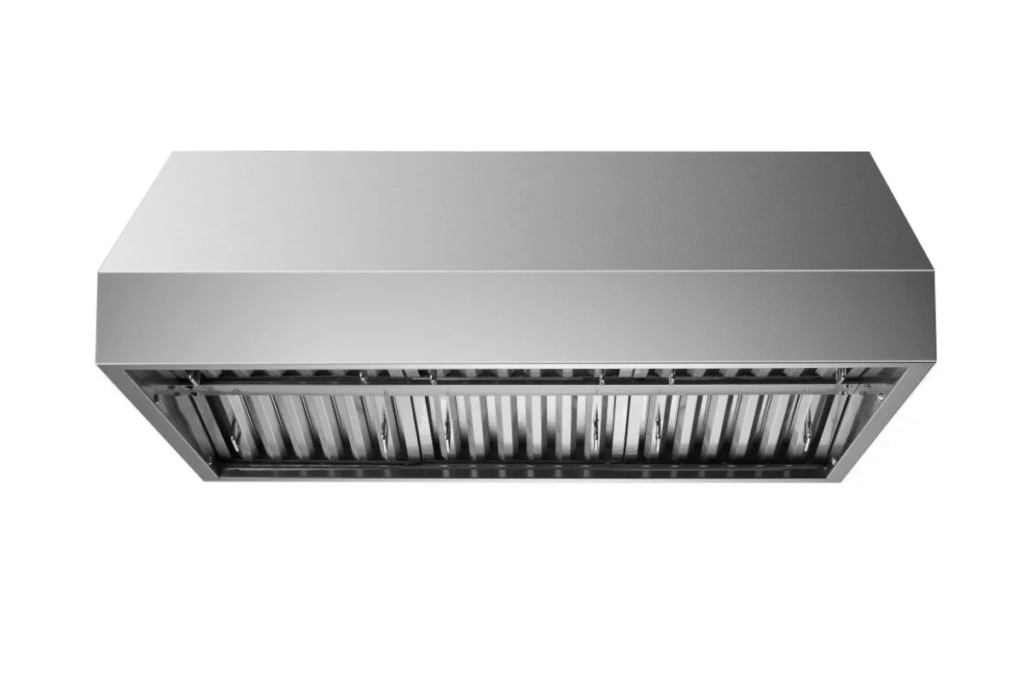
Outdoor cooking spaces are designed for enjoyment, but uncontrolled smoke can quickly disrupt the experience. Proper ventilation plays a central role in maintaining comfort, visibility, and air quality. An outdoor grill range hood helps manage smoke at its source, allowing heat, grease, and airborne particles to rise away from cooking and seating areas. When smoke is captured efficiently, outdoor kitchens remain inviting, functional, and pleasant for both cooks and guests.
Understanding Smoke Challenges in Outdoor Kitchens
Grilling generates more smoke than most indoor cooking methods because of open flames, high heat, and dripping fat. Wind patterns, partial enclosures, and overhead structures can cause smoke to linger rather than disperse naturally. Without effective ventilation, smoke buildup can lead to discomfort, poor visibility, and surface residue. Addressing these challenges requires a ventilation system that is engineered specifically for outdoor conditions and higher smoke volumes.
Airflow Capacity and Capture Zone
The effectiveness of smoke control depends heavily on airflow capacity and hood coverage. A ventilation system must generate enough suction to pull smoke upward before it spreads. Wider hoods with deep capture zones perform better in outdoor environments where air movement is less predictable. A properly sized hood ensures that rising smoke is drawn in consistently, even during high heat grilling or extended cooking sessions.
Role of Filter Design
Filters are essential for managing grease and particulate matter before smoke exits the hood. Baffle-style filters are commonly preferred for outdoor use because they handle high temperatures and heavy grease loads efficiently. By trapping grease while allowing steady airflow, filters help prevent smoke recirculation and reduce residue on nearby structures. Clean airflow also supports better long-term performance of the ventilation system.
Importance of Outdoor Rated Construction
Outdoor environments expose equipment to moisture, temperature changes, and grease buildup. Durable materials such as stainless steel resist corrosion and maintain performance over time. Proper construction prevents warping, rust, and airflow restrictions that could otherwise contribute to smoke accumulation. Outdoor-rated components ensure consistent ventilation performance regardless of weather or usage frequency.
Managing Heat and Smoke Together
Smoke control is closely tied to heat management. High heat causes smoke to rise rapidly, making capture efficiency critical. A well-designed hood balances airflow strength with stable performance, ensuring smoke is removed without turbulence or backflow. This balance improves visibility at the grill and creates a more comfortable environment around the cooking area.
Placement and Coverage Considerations
Effective smoke control depends on how well the hood aligns with the grill surface. Proper coverage ensures that smoke rises directly into the capture area rather than escaping into the surrounding area. The distance between the grill and hood influences how quickly smoke is removed. Adequate coverage across the full cooking surface supports consistent airflow and reduces smoke drift.
Performance of Outdoor Range Hoods
Well-engineered outdoor range hoods are designed to handle higher smoke output than indoor systems. They provide powerful ventilation while maintaining structural integrity under demanding conditions. Their performance helps protect surrounding surfaces from grease buildup and reduces lingering smoke that can impact comfort and air quality in outdoor kitchens.
Noise and Comfort Balance
Strong ventilation does not need to compromise comfort. Modern outdoor systems are designed to balance airflow with manageable sound levels. Reduced noise allows conversations and entertainment to continue while maintaining effective smoke removal. This balance contributes to a more enjoyable outdoor cooking environment without sacrificing performance.
Maintenance and Long-Term Efficiency
Consistent performance relies on clean filters and unobstructed airflow paths. Grease accumulation can reduce suction and allow smoke to escape the capture zone. Systems designed for outdoor grilling emphasize accessibility and durability, supporting long-term efficiency and reliable smoke control through regular upkeep.
Conclusion
Preventing smoke buildup is essential for maintaining comfort, safety, and usability in outdoor kitchens. Effective ventilation improves visibility, protects surfaces, and enhances the overall cooking experience. High-quality outdoor range hoods are built to manage intense smoke, heat, and environmental exposure while delivering consistent airflow. With the right design and performance capabilities, outdoor grilling remains enjoyable, functional, and smoke-controlled across every cooking session.
About the Author