


Non-Surgical Uterine Artery Embolization Treatment
Introduction to Uterine Fibroids
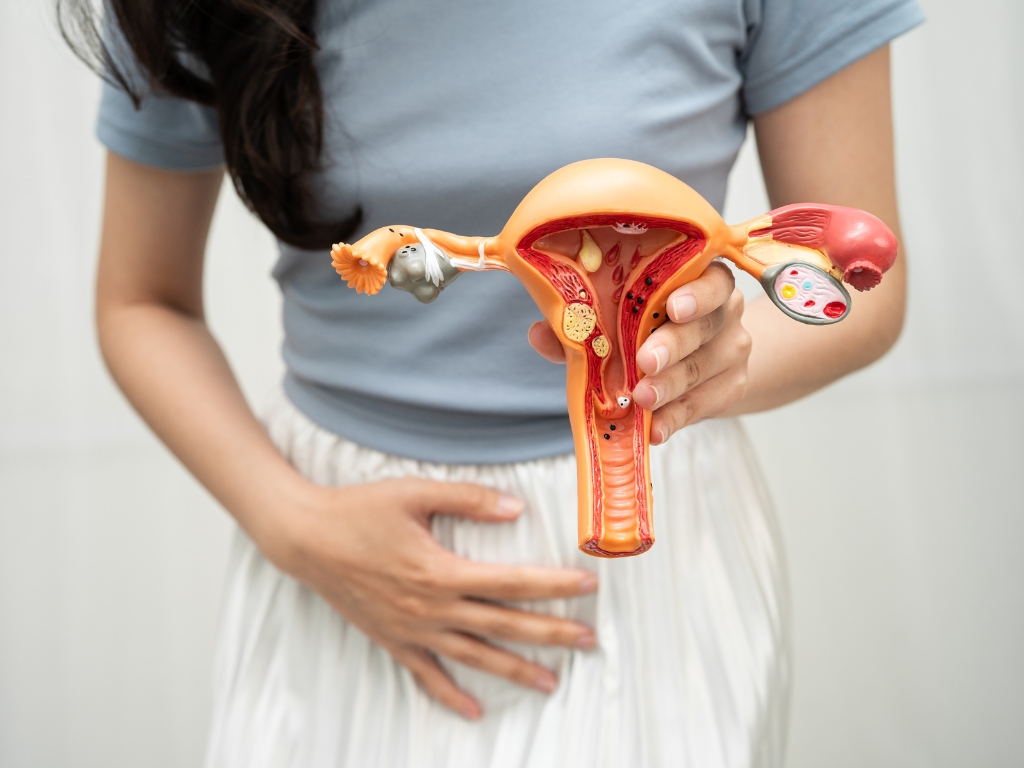
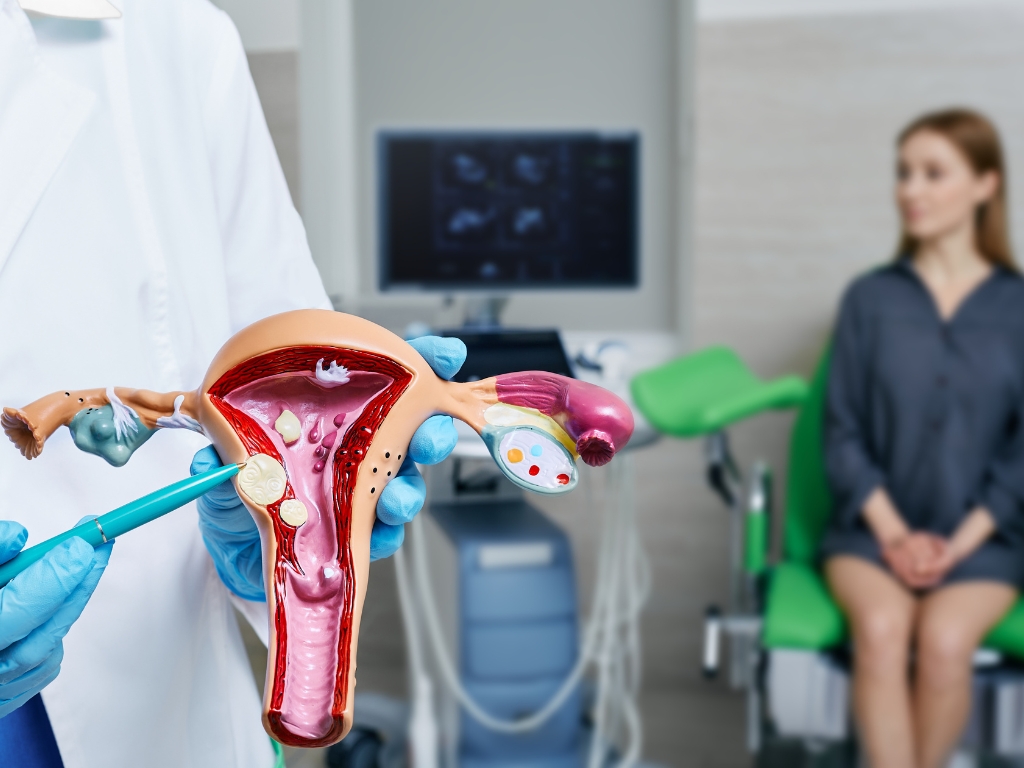
Uterine fibroids are noncancerous growths that develop within the muscular wall of the uterus. They are common among women of reproductive age and can vary in size, number, and location. While some women experience no symptoms, others struggle with heavy menstrual bleeding, prolonged periods, pelvic pain, pressure on the bladder or bowel, and even fertility challenges. For many years, surgical options such as hysterectomy and myomectomy were considered the primary solutions. However, medical advancements have introduced less invasive alternatives, including non-surgical uterine artery embolization treatment, offering effective symptom relief without major surgery.
Understanding how fibroids develop and how they affect the body is the first step toward choosing the right treatment. Fibroids are influenced by hormonal factors, particularly estrogen and progesterone. Their growth can lead to significant discomfort and disruption of daily life, prompting women to seek safe and reliable treatment options.
What Is Uterine Artery Embolization?
Uterine artery embolization (UAE) is a minimally invasive procedure performed by an interventional radiologist. It is designed to block the blood supply to fibroids, causing them to shrink over time. The procedure does not involve removing the uterus, making it an appealing option for women who want to avoid major surgery or preserve their uterus.
The non-surgical uterine artery embolization treatment works by inserting a thin catheter into a blood vessel, typically through the groin or wrist. Tiny particles are then released into the uterine arteries, effectively cutting off the blood flow to the fibroids. Without a steady blood supply, fibroids gradually shrink and symptoms improve.
This procedure is typically completed within one to two hours, and most patients can return home the same day or after a short hospital stay.
How the Procedure Is Performed
The process begins with imaging studies such as ultrasound or MRI to evaluate the size, number, and location of fibroids. These imaging techniques help determine whether a patient is a suitable candidate for non-surgical uterine artery embolization treatment.
On the day of the procedure, local anesthesia and mild sedation are administered to ensure comfort. A small incision is made to insert the catheter into the artery. Using real-time imaging guidance, the physician navigates the catheter to the uterine arteries supplying the fibroids. Once in position, embolic particles are injected to block the blood flow.
After the procedure, the catheter is removed, and pressure is applied to prevent bleeding. Patients are monitored for a few hours before being discharged. Mild cramping and fatigue are common during recovery, but these symptoms usually resolve within a few days.
Benefits of Choosing a Non-Surgical Option
One of the primary advantages of non-surgical uterine artery embolization treatment is that it avoids open surgery. There are no large incisions, minimal scarring, and a significantly shorter recovery period compared to hysterectomy or myomectomy.
Patients often experience noticeable symptom improvement within weeks. Heavy menstrual bleeding becomes lighter, pelvic pressure decreases, and overall quality of life improves. Additionally, the uterus remains intact, which can be important for personal, cultural, or reproductive reasons.
Another key benefit is reduced hospital stay. Most women resume normal activities within one to two weeks, whereas surgical recovery can take several weeks or longer.
Who Is a Good Candidate?
Not all women with fibroids are ideal candidates for this procedure. Generally, women who experience moderate to severe symptoms and wish to avoid surgery may benefit from non-surgical uterine artery embolization treatment.
It is particularly suitable for women who:
- Have multiple fibroids
- Experience heavy menstrual bleeding
- Suffer from pelvic pain or pressure
- Prefer a minimally invasive approach
However, women who are pregnant, have active pelvic infections, or certain types of fibroid degeneration may require alternative treatments. A thorough consultation with a specialist is necessary to determine eligibility.
Effectiveness and Long-Term Results
Clinical studies have demonstrated that uterine artery embolization provides long-lasting relief for many women. Most patients report significant improvement in bleeding and pain within three to six months after the procedure.
Fibroids typically shrink by 40% to 60% in volume over time. This reduction contributes to decreased pressure symptoms and improved menstrual cycles. The success rate of non-surgical uterine artery embolization treatment is high, with many women avoiding further surgical intervention.
While fibroids may not disappear completely, their reduced size and blood supply minimize their impact on daily life.
Comparing UAE with Surgical Treatments
When comparing non-surgical uterine artery embolization treatment to hysterectomy, the differences are substantial. Hysterectomy involves the complete removal of the uterus and permanently eliminates fibroids. However, it requires general anesthesia, a longer hospital stay, and extended recovery time.
Myomectomy removes individual fibroids while preserving the uterus but still involves surgical incisions and potential scarring. There is also a possibility of fibroid recurrence after myomectomy.
In contrast, uterine artery embolization targets all fibroids simultaneously, including small ones that may not yet be causing symptoms. The minimally invasive nature of the procedure makes it appealing for women seeking effective relief with less disruption to their lives.
Recovery and Aftercare
Recovery from uterine artery embolization is generally quicker than from surgery. Most women experience cramping similar to menstrual pain for a few days after the procedure. Pain medication is typically prescribed to manage discomfort.
Light bleeding or discharge may occur for a short period. Patients are encouraged to rest for several days and gradually resume normal activities. Follow-up imaging may be recommended to monitor fibroid shrinkage and overall progress.
Maintaining regular gynecological checkups ensures that symptoms continue to improve and that no new concerns arise.
Potential Risks and Considerations
Although non-surgical uterine artery embolization treatment is considered safe, it does carry some risks. These may include infection, allergic reaction to contrast dye, temporary menstrual changes, or rare complications involving nearby organs.
Some women may experience what is known as post-embolization syndrome, characterized by mild fever, nausea, fatigue, and pelvic pain. These symptoms are temporary and usually resolve within a week.
Discussing medical history and treatment goals with a healthcare provider helps minimize risks and ensures appropriate care.
Impact on Fertility and Hormonal Health
One common concern among women considering uterine artery embolization is its effect on fertility. While many women maintain normal ovarian function after the procedure, fertility outcomes can vary.
Women who plan to become pregnant in the future should discuss their goals with a specialist. Although some successful pregnancies have occurred after non-surgical uterine artery embolization treatment, the procedure is often recommended for women who have completed childbearing or are not actively pursuing pregnancy.
Hormonal balance is typically unaffected because the ovaries continue to receive blood supply from other arteries.
Quality of Life Improvements
Living with fibroids can be physically and emotionally exhausting. Heavy bleeding can lead to anemia, fatigue, and missed workdays. Pelvic pressure may interfere with daily activities and intimate relationships.
By addressing the root cause of fibroid growth, non-surgical uterine artery embolization treatment significantly improves quality of life. Many women report renewed energy, greater confidence, and relief from chronic discomfort.
The ability to avoid major surgery while achieving lasting symptom control makes this treatment an empowering option for many patients.
Advances in Interventional Radiology
Modern imaging technology and refined techniques have enhanced the safety and precision of uterine artery embolization. Interventional radiologists use advanced guidance systems to ensure accurate catheter placement and effective embolization.
These technological improvements contribute to high success rates and reduced complication risks. As awareness grows, more women are discovering the benefits of minimally invasive fibroid management.
Conclusion
Uterine fibroids can significantly affect a woman’s physical health and emotional well-being. While traditional surgical options remain available, minimally invasive alternatives have transformed treatment possibilities. Non-surgical uterine artery embolization treatment offers a safe, effective, and uterus-preserving solution for women seeking relief from fibroid symptoms.
By cutting off the blood supply to fibroids, this innovative procedure promotes natural shrinkage and lasting symptom improvement. With shorter recovery times, minimal scarring, and high patient satisfaction, it stands as a valuable option in modern gynecologic care.
Women experiencing heavy bleeding, pelvic pain, or pressure related to fibroids should explore all available options with a qualified specialist. Understanding the benefits, risks, and long-term outcomes of non-surgical uterine artery embolization treatment empowers patients to make informed decisions and take control of their reproductive health.
About the Author