




As our loved ones grow older, daily life can become more challenging — even if they are otherwise healthy. Simple tasks like climbing stairs, preparing meals, remembering medications, or maintaining personal care may become stressful. In busy cities like Mumbai and Pune, where families juggle work and personal responsibilities, professional support often becomes essential.
This is where a caretaker for senior citizens steps in — someone who provides daily assistance, emotional support, safety supervision, and warm companionship to older adults right in the comfort of their home. Services like those offered at Pranyaas are designed to ensure that seniors live with dignity, comfort, and independence.
This guide explains what caretakers do, who needs them, how they help, and how to choose the right service — all presented in a simple, humanized format.
What Is a Caretaker for Senior Citizens?
A caretaker for senior citizens is a trained caregiver who provides day-to-day support for older adults who may have physical limitations, health issues, mobility challenges, or simply a need for companionship.
Unlike institutional care, in-home caretakers help seniors stay connected to their surroundings, routines, and independence. They combine practical support with emotional encouragement — something especially meaningful for seniors living alone or with limited family assistance.
Core Goals of Senior Caretakers
- Promote safe daily living
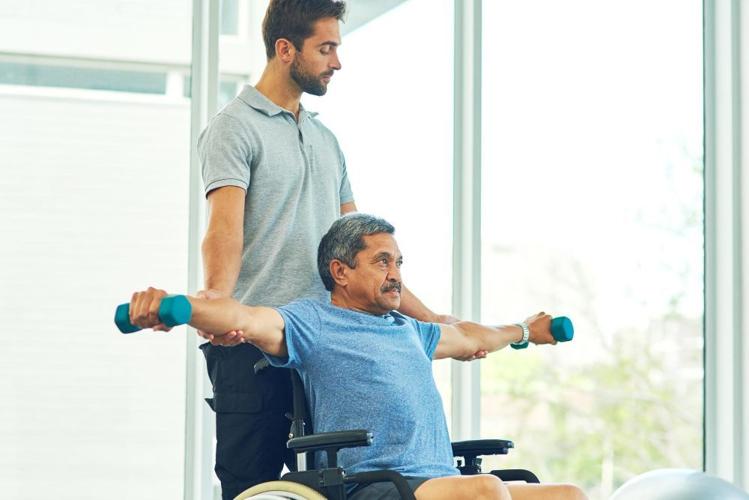
- Support mobility and prevent falls
- Ensure medication adherence
- Maintain personal grooming and hygiene
- Encourage emotional and social engagement
- Provide reassurance and companionship
Services Provided by Senior Citizen Caretakers
Caregivers tailor their services to meet individual senior needs. Here’s a breakdown of common services:
| Service Type | Description | Ideal For |
|---|---|---|
| Personal Hygiene Assistance | Bathing, grooming, dressing | Seniors with limited mobility |
| Mobility Support | Walking, transfers, exercise reminders | Fall-risk individuals |
| Medication Management | Timely reminders and monitoring | Chronic condition patients |
| Meal Assistance | Meal prep, feeding help | Aged adults with eating challenges |
| Companionship & Emotional Support | Conversation, games, company | Seniors living alone |
| Post-Hospital Support | Recovery guidance and monitoring | Seniors returning after surgery |
Each caretaker plan can be customized according to health, lifestyle, and daily activity levels.
Why Caretakers Matter for Senior Citizens
Senior care isn’t just about physical support — it’s about enhancing quality of life. Families often find that professional caretakers:
Provide Consistent Daily Support
A caregiver ensures seniors don’t miss medications, meals, or important routine tasks.
Reduce Risk of Injuries
With mobility assistance and supervision, fall risks and accidents drop significantly.
Offer Emotional Comfort
Loneliness and isolation can negatively impact older adults. Professional companionship improves mental health and reduces depression.
Create Peace of Mind for Families
Relatives can focus on work and life while trusting that their loved ones are safe and supported.
Who Needs a Caretaker for Senior Citizens?
Caretaker support is valuable for many situations. Consider professional care if your loved one:
- Struggles to walk or climb stairs
- Needs help with bathing, dressing, or personal hygiene
- Takes multiple medications daily
- Is recovering from an illness or surgery
- Lives alone or has limited family support
- Feels lonely or isolated
- Shows early signs of memory or cognitive issues
Early intervention reduces stress, prevents complications, and fosters healthier aging.
Daily Life With a Senior Caretaker
A structured daily routine encourages independence and consistency. Here’s what a typical caretaker might assist with:
Morning Routine
- Help with waking up and stretching
- Bathing and personal grooming
- Medication reminders
- Breakfast support
Midday
- Assistance with mobility
- Light exercise or short walks
- Companionship and conversation
- Lunch preparation
Afternoon & Evening
- Medication reminders
- Recreational activities (reading, puzzles, music)
- Emotional support and reflection
- Dinner preparation and evening routine
Home Care vs Nursing Homes
Many families wonder whether to hire a caregiver or consider assisted living. Here’s a comparison:
| Aspect | Home Care | Nursing Home |
|---|---|---|
| Comfort | Familiar surroundings | Institutional environment |
| Attention | One-on-one care | Shared with other residents |
| Emotional Well-Being | High | Adjustment required |
| Family Access | Flexible and frequent | Visiting hours only |
| Independence | Preserved | Moderately limited |
For most seniors, home care combines independence with tailored support — a balance many families prefer.
Preparing Your Home for a Senior Caretaker
Before welcoming a caregiver, it helps to prepare the environment:
Home Safety
- Remove loose rugs or cables that can cause trips
- Install handrails near stairs and bathrooms
- Ensure good lighting throughout the home
Medical Information
Keep a folder with:
- Latest medical reports
- Medication lists
- Allergies
- Emergency contacts
Family Communication
Discuss routines and preferences with both the senior and the caretaker for smoother care delivery.
Emotional Support: More Than Just Assistance
Caretakers provide emotional nourishment — often the missing piece in family care. Seniors benefit from:
- Meaningful daily conversations
- Shared memories and storytelling
- Encouragement to maintain hobbies
- Gentle motivation during recovery or low-energy days
Emotional care enhances mental resilience, mood stability, and social confidence.
Safety Standards in Professional Elderly Care
Reliable caretakers adhere to strict safety and professionalism guidelines:
- Verified background and screening
- Training in basic health monitoring
- Fall-prevention awareness
- Medication supervision protocols
- Emergency planning and response
- Regular reporting to family members
A professional approach ensures both safety and comfort.
Choosing the Right Caretaker for Senior Citizens
Here’s what to look for in a trusted caregiving partner:
1. Verified and Trained Staff
Ensure caretakers have background checks and relevant training.
2. Flexible Care Plans
The ability to tailor services based on health and lifestyle needs.
3. Health Awareness
Knowledge of medication supervision, vitals monitoring, and emergency response.
4. Communication Skills
Open and honest updates to family about senior well-being.
5. Positive Testimonials
Family review and recommendations speak volumes about reliability.
Frequently Asked Questions (FAQs)
Q1: Can caretakers stay overnight?
Yes — services range from short daytime visits to 24-hour live-in care.
Q2: Are caretakers trained in medical assistance?
They are trained in basic health monitoring, medication support, and emergency response.
Q3: Can care be part-time or temporary?
Absolutely. Care plans are flexible and can adjust with needs.
Q4: Will caretakers provide emotional support?
Yes, emotional companionship and meaningful engagement are key parts of caretaking.
Q5: Is home elderly care safe?
Yes — when provided by trained professionals with safety protocols in place.
Conclusion
A caretaker for senior citizens is more than a helper — they are a trusted companion, daily support partner, and emotional anchor. Professional caregivers ensure that seniors remain safe, supported, and connected in their own homes, preserving both dignity and independence.
Choosing the right caretaker — like those available through Pranyaas — brings families peace of mind and allows seniors to enjoy their golden years with compassion, respect, and comfort.
Investing in professional caregiving isn’t just practical — it’s a gesture of love that ensures your elderly loved ones live each day with confidence, safety, and joy.
About the Author