


Your HVAC system is the backbone of a comfortable home, keeping your space cool in summer and warm in winter. But while these systems make life easier, they involve complex components that can be dangerous if handled incorrectly. From electrical wiring to moving parts and refrigerants, attempting repairs without proper safety can lead to injury or damage. Understanding and following safety precautions is crucial for any homeowner.
Whether you’re tackling minor maintenance or scheduling professional service, keeping safety in mind protects both your family and your property. This guide covers practical tips and advice for safely managing your HVAC system.
Why HVAC Repairs Can Be Risky
HVAC systems combine electricity, moving parts, and sometimes pressurized refrigerants or gas. Handling these without knowledge can result in:
- Electrical shocks when touching wires or control panels
- Injuries from sharp metal edges or heavy equipment
- Gas leaks or exposure to harmful chemicals
- Burns from hot components
Recognizing these risks helps you decide which repairs can be done safely at home and which need a professional.
Getting Ready for HVAC Repairs
Preparation is the first step to staying safe. Before starting any repair:
- Gather protective gear such as gloves, safety glasses, and long sleeves
- Ensure a flashlight and sturdy ladder are available if working in dark or high areas
- Read your system’s user manual to understand components and safety features
- Clear the surrounding area to prevent tripping or accidents
Proper preparation not only prevents injury but also makes repairs more efficient.
Power Safety: Always Cut Off Electricity
Electricity is the most immediate danger when working on HVAC systems. Always:
- Turn off the circuit breaker or main power switch
- Double-check with a voltage tester to ensure no electricity is flowing
- Unplug auxiliary devices like fans or smart thermostats
Never touch wires with wet hands or while standing on damp surfaces, and always treat electrical components with caution.
Handling Refrigerants and Chemicals Safely
Refrigerants and chemical cleaners are part of HVAC maintenance, but they can be harmful.
- Avoid touching refrigerants directly—they can cause frostbite-like burns
- Never inhale chemical vapors; work in a well-ventilated area
- Do not attempt to recharge or open refrigerant lines unless trained
If you suspect a refrigerant leak or chemical exposure, it’s safer to call a professional immediately.
Protecting Yourself From Physical Injuries
HVAC units have moving parts, sharp edges, and heavy equipment. Simple precautions can prevent accidents:
- Ensure fans or belts have fully stopped before reaching inside
- Use proper lifting techniques for heavy components—bend your knees, keep your back straight
- Work with a partner for large or awkward equipment
Also, be mindful of your environment. Attics, rooftops, or cramped basements can create hazards if the space is not cleared and properly lit.
Maintaining Clean Air and Ventilation
Air quality matters during HVAC maintenance. Dust, mold, and insulation debris can irritate your lungs or trigger allergies.
- Wear a mask or respirator when cleaning vents or ducts
- Open windows and doors to maintain airflow
- Avoid confined spaces without proper ventilation
Keeping air clean helps protect your health and makes maintenance safer.
Inspecting Electrical Components
Routine inspection helps prevent hazards before they escalate:
- Look for frayed wires, burn marks, or loose connections
- Check fuses, relays, and safety switches
- Listen for unusual noises or smells that indicate overheating
Maintaining records of inspections can help track recurring problems and improve safety over time.
Temperature and Pressure Safety
HVAC systems rely on precise temperature and pressure ranges. Overheating or excess pressure can damage components and create hazards.
- Never bypass safety controls
- Allow heated parts to cool before touching
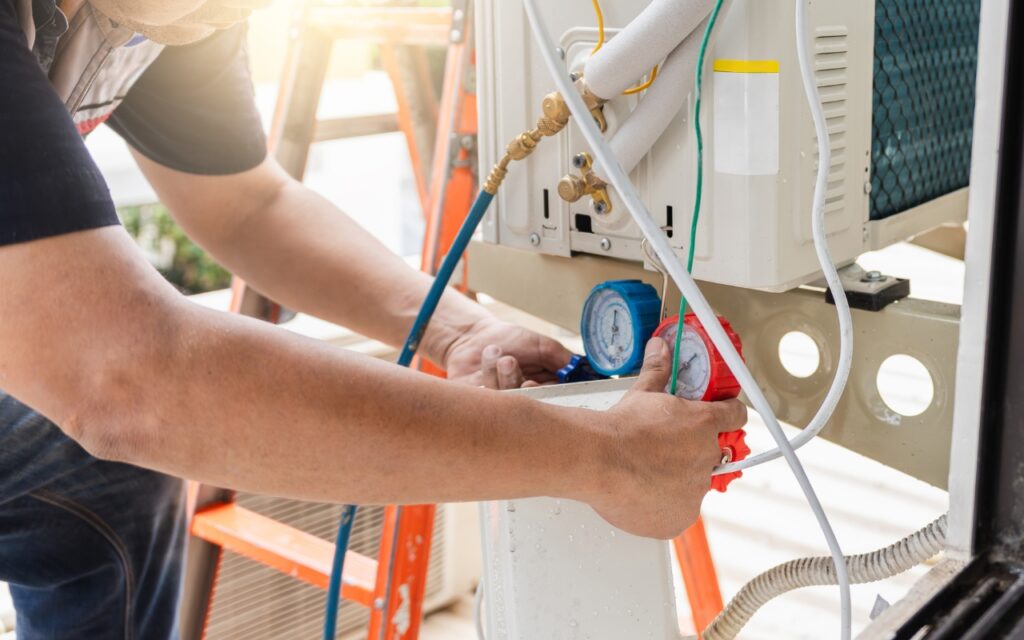
- Use gauges to monitor pressure and temperature according to manufacturer guidelines
Abnormal readings are a sign to call a professional, not to attempt a risky repair.
Common Mistakes to Avoid
Homeowners often make mistakes that increase risk:
- Attempting electrical repairs without cutting power
- Mishandling refrigerants or chemicals
- Ignoring protective gear or manufacturer instructions
- Using the wrong tools or shortcuts
Being aware of these mistakes helps prevent injuries and unnecessary damage.
When to Call a Professional
Some repairs should never be attempted at home. Complex electrical work, refrigerant handling, and major component replacements carry high risks.
For safe and efficient service, scheduling HVAC repair in Boca Raton with a professional ensures that repairs comply with safety codes, manufacturer guidelines, and local regulations.
Preventive Maintenance as a Safety Measure
Preventive maintenance reduces the need for emergency repairs and hazards. A few simple practices make a big difference:
- Replace filters regularly
- Clean accessible coils and vents
- Lubricate moving parts
- Schedule professional inspections annually
| Maintenance Task | Recommended Frequency | Safety Benefit |
| Air filter replacement | Every 1–3 months | Prevents airflow blockages and reduces strain on the system |
| Coil and vent cleaning | Twice a year | Reduces dust, mold, and respiratory hazards |
| Lubrication of moving parts | Once a year | Prevents friction-related overheating and wear |
| Professional inspection | Once a year | Detects electrical, gas, and refrigerant issues early |
Regular maintenance not only keeps the system efficient but also significantly reduces risks during repairs.
Creating a Safe Work Environment
A safe work area is essential for any repair or maintenance task:
- Keep the space organized and free of clutter
- Use proper lighting and stable ladders or scaffolds
- Store chemicals and tools safely out of reach of children or pets
Whenever possible, have a helper nearby to assist in emergencies and provide extra safety support.
Being Prepared for Emergencies
Accidents can happen despite all precautions. Be ready by:
- Keeping a first aid kit and emergency numbers handy
- Knowing the location of circuit breakers and gas shut-off valves
- Evacuating immediately if you suspect a gas leak or chemical exposure
Prompt action in emergencies can prevent minor accidents from becoming serious.
Overview
HVAC systems are essential for comfort but can be dangerous if not handled correctly. Following safety tips like turning off power, using protective gear, and knowing when to call a professional ensures both homeowner safety and system longevity. Routine preventive maintenance and careful inspections prevent accidents and keep your system running efficiently. For anyone unsure about repairs, choosing HVAC repair in Boca Raton guarantees safety, compliance, and peace of mind.
FAQs
1. Is it safe to repair my HVAC system myself?
Small tasks like changing filters are generally safe, but electrical repairs, refrigerant handling, or gas line issues should only be done by trained professionals to avoid serious injury.
2. Why should I always turn off power before repairs?
Cutting power prevents electrical shocks, accidental activation of fans or motors, and potential damage to components, keeping both you and your HVAC system safe during maintenance.
3. How often should I schedule inspections for my HVAC system?
Homeowners should check filters monthly and arrange professional inspections annually to catch potential electrical, mechanical, or refrigerant issues before they become dangerous.
4. What protective gear is recommended during HVAC repairs?
Safety glasses, gloves, long sleeves, and a mask protect against sharp edges, debris, chemicals, and dust, reducing the risk of injury or respiratory issues.
5. When should I contact a professional immediately?
If you notice strange noises, burning smells, leaks, abnormal airflow, or visible damage, call a licensed technician right away to prevent hazards and costly system damage.
About the Author