




Gold has this strange kind of pull. People trust it. Always have. When markets look shaky, currencies wobble, or inflation starts creeping in, folks start thinking about one thing — gold. And honestly, it makes sense.
If you’re planning to purchase gold coins, you probably want clear answers. Not confusing jargon. Not sales hype. Just real talk about what matters, what to watch for, and how to do it right.
This guide walks you through the basics — plain and simple. No fancy language. Just practical stuff you can actually use.
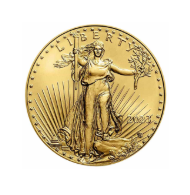
1. Why People Still Purchase Gold Coins (Even Today)
Gold coins aren’t some outdated investment your grandparents loved. People still buy them because they hold value — period.
Paper money loses value. Stocks go up and down. But gold? It sticks around. It’s a hedge against inflation and financial uncertainty. That’s the main reason people look for gold coins for sale when things feel unstable.
Also, there’s something physical about gold. You can hold it. Store it. Pass it down. That feeling matters more than people admit.
2. Understanding What You’re Actually Buying
Not all gold coins are the same. Some are made for collectors. Some are purely for investment. And mixing them up can cost you money.
Investment coins (bullion coins) are valued mainly by their gold content. Collector coins depend on rarity and condition.
If you just want to invest, stick to bullion. Simple. Less confusion. Easier resale.
Before you purchase gold coins, always check:
- Gold purity (usually 22K or 24K)
- Weight
- Market price of gold
- Dealer reputation
Skip this step and you risk overpaying.
3. Where to Find Reliable Gold Coins for Sale
This part matters more than people think.
You can buy from local dealers, online sellers, or precious metal companies. But not every seller is trustworthy. Some charge huge markups. Others sell questionable products.
Look for:
- Transparent pricing
- Clear product details
- Verified authenticity
- Good customer feedback
If pricing looks too cheap, something’s off. Gold rarely comes with “crazy discounts.” That’s just reality.
4. Timing the Market (Or Trying To)
Everyone asks the same thing: When is the best time to buy gold?
Truth? Nobody knows exactly.
Gold prices move daily based on global events, inflation, and demand. Waiting forever for the “perfect” price usually means never buying at all.
Many investors use simple strategies:
- Buy gradually over time
- Purchase during price dips
- Focus long-term instead of short-term
Trying to perfectly time gold is exhausting. Consistency works better.
5. Check the Premium — It’s Not Just About Gold Price
Here’s something beginners miss.
Gold coins don’t sell exactly at market price. Dealers add a premium for minting, distribution, and profit.
Premium varies depending on:
- Coin type
- Demand
- Market conditions
- Dealer pricing
Lower premium usually means better investment value. Always compare before you purchase gold coins.
Small difference today = bigger return later.
6. Storage Matters More Than You Think
Buying gold is easy. Storing it safely is the real challenge.
You’ve got a few options:
- Home safe
- Bank locker
- Professional vault storage
Each has pros and cons. Home storage gives access but carries risk. Bank lockers offer security but limit access. Vault storage costs more but gives peace of mind.
Think about safety before buying large amounts.
Seriously.
7. Liquidity — Can You Sell It Easily?
Gold coins are considered highly liquid. That means you can sell them quickly if needed.
But liquidity depends on the type of coin and market demand.
Popular bullion coins usually sell faster. Rare or collectible coins can take longer. If quick resale matters to you, stick with widely recognized coins.
Always think about exit strategy before entering.
8. Taxes and Legal Considerations
People rarely talk about this part. But it matters.
Depending on where you live, buying or selling gold may involve taxes or reporting rules. Capital gains tax can apply when selling at profit.
Regulations vary by region. Always check local rules before making big purchases.
A little research now saves headaches later.
9. Avoid Emotional Buying
Gold buying can get emotional. Prices rise suddenly and people rush in. Fear of missing out kicks in.
Bad idea.
Smart investors stay calm. They research. They plan. They don’t panic buy.
If you see gold prices jumping and feel pressure to buy immediately — pause. Breathe. Think clearly.
Investing works best without emotion.
10. Buy From Trusted Precious Metal Providers
Last point, but honestly the most important.
Where you buy matters more than what you buy. A reliable seller ensures authenticity, fair pricing, and secure delivery.
If you’re searching for trusted gold coins for sale, choose companies with transparent policies and strong reputations. This reduces risk and builds confidence.
Buying gold should feel secure — not stressful.
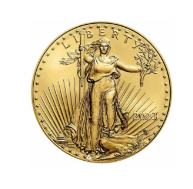
Final Thoughts: Is It Worth It To Purchase Gold Coins?
Short answer — yes, if you do it right.
Gold coins won’t make you rich overnight. That’s not their job. They protect wealth. They provide stability. They offer financial security during uncertain times.
But success depends on smart buying decisions, trusted sellers, and long-term thinking.
If you’re ready to start or expand your gold investment, explore trusted options and make informed choices.
FAQs
1. Is it safe to purchase gold coins online?
Yes, but only from trusted sellers with verified authenticity, clear pricing, and good reputation. Always check reviews and company policies before buying.
2. What is the best type of gold coin for beginners?
Bullion coins are usually best for beginners because they are priced mainly by gold content and are easier to resell.
3. How much gold should a beginner buy?
Start small. Many investors begin with one or two coins and gradually increase holdings over time.
4. Do gold coins lose value?
Gold prices fluctuate, but historically gold maintains long-term value and acts as a hedge against inflation.
About the Author