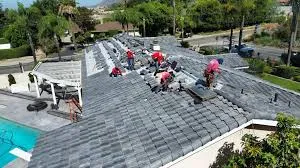
Flat roofs are a common feature on residential additions, apartment buildings, and commercial properties throughout Compton. Their clean lines and practical design make them a popular choice, but they require specialized care. When cracks, ponding water, or membrane damage appear, timely Flat Roof Repair is essential to prevent costly structural problems.
In Compton, CA, flat roofing systems face unique environmental challenges. From prolonged sun exposure to sudden seasonal rainstorms, low-slope roofs must withstand intense UV rays and manage water drainage efficiently. Understanding how flat roof repair works—and when to call professionals—can protect your property and extend your roof’s lifespan.
Why Flat Roof Repair Is Crucial in Compton, CA
Flat roofs differ significantly from pitched roofing systems. Because they have minimal slope, they do not shed water as quickly. Instead, they rely on proper drainage systems and intact membranes to prevent water intrusion.
Constant Sun Exposure
Southern California’s strong sunlight accelerates wear on roofing membranes. UV rays can cause cracking, blistering, and shrinkage over time.
Ponding Water Risks
After heavy rains, flat roofs may experience standing water. If drainage systems are blocked or improperly installed, water can pool and weaken the membrane.
Temperature Fluctuations
While Compton enjoys relatively mild winters, temperature shifts between day and night still cause roofing materials to expand and contract. Over time, this movement can create splits or seam separation.
Flat roof repair addresses these vulnerabilities before they compromise the entire structure.
Common Flat Roof Problems in Compton
Understanding the most frequent flat roof issues helps property owners identify early warning signs.
1. Ponding Water
Standing water that remains for more than 48 hours can:
- Break down roofing materials
- Increase structural weight load
- Lead to leaks
2. Membrane Cracks and Splits
Flat roofing systems often use materials like modified bitumen, TPO, EPDM, or built-up roofing. Over time, exposure to UV rays and foot traffic can create small splits that allow moisture to seep in.
3. Blistering and Bubbling
Trapped moisture or air beneath the membrane can cause bubbles. If left untreated, blisters may rupture and expose underlying layers.
4. Damaged Flashing
Flashing around vents, HVAC units, and skylights can loosen or corrode, creating entry points for water.
5. Poor Drainage
Clogged drains and debris buildup prevent proper water runoff, increasing the risk of ponding and leaks.
Signs You Need Flat Roof Repair
Flat roof issues are not always visible from the ground. Watch for these indicators:
- Interior water stains
- Mold or mildew odors
- Peeling paint near ceilings
- Visible cracks on the roof surface
- Sagging sections
- Rising energy bills
Even small leaks can spread quickly beneath flat roofing membranes, making early detection critical.
The Flat Roof Repair Process: Step by Step
Professional flat roof repair follows a systematic approach to ensure long-lasting results.
Step 1: Thorough Inspection
Contractors inspect:
- Membrane condition
- Seams and joints
- Flashing integrity
- Drainage systems
- Structural decking
Moisture detection tools may be used to locate hidden water intrusion.
Step 2: Identifying the Source of the Problem
Flat roof leaks often travel from their point of entry. Professionals trace water pathways to pinpoint the true source before making repairs.
Step 3: Surface Preparation
Damaged areas are cleaned and cleared of debris. Proper preparation ensures repair materials adhere securely.
Step 4: Repair Application
Depending on the issue, repairs may include:
- Patching membrane splits
- Resealing seams
- Replacing damaged flashing
- Reinforcing drainage areas
Step 5: Waterproofing and Sealing
Sealants or coatings are applied to create a watertight barrier and protect against UV exposure.
Step 6: Final Inspection
A final quality check ensures repairs are secure and drainage systems function properly.
Flat Roofing Materials Common in Compton
Different flat roofing systems require specific repair techniques.
Modified Bitumen
A durable asphalt-based material reinforced with fiberglass or polyester. Repairs often involve heat-welded patches.
TPO (Thermoplastic Polyolefin)
A single-ply membrane known for energy efficiency. Seam repairs typically require heat welding.
EPDM (Rubber Roofing)
Flexible and resistant to UV damage, EPDM repairs often use adhesive patches.
Built-Up Roofing (BUR)
Layered asphalt and fabric systems that may require resurfacing or patch reinforcement.
Understanding your roofing material helps determine the best repair strategy.
Local Considerations for Flat Roof Repair in Compton
When property owners seek Flat Roof Repair Services in Compton, CA, local expertise becomes invaluable.
Heat and UV Exposure
Compton’s sunny climate demands UV-resistant coatings and materials. Reflective roof coatings can extend lifespan and improve energy efficiency.
Airborne Debris
Urban environments may contribute to debris accumulation on flat roofs. Routine cleaning prevents clogged drains.
Sudden Rainfall
Although rainfall is seasonal, storms can be intense. Ensuring proper drainage systems are clear and functional is critical.
Building Code Compliance
Local repair professionals understand municipal regulations and safety requirements for residential and commercial properties.
Repair vs. Replacement: Making the Right Decision
Not all flat roof damage requires full replacement. A professional assessment determines the most cost-effective solution.
Repair Is Suitable When:
- Damage is localized
- The roof is relatively new
- Structural decking remains intact
Replacement May Be Necessary When:
- Widespread membrane failure exists
- Multiple leaks occur
- The roof has reached the end of its lifespan
Timely flat roof repair can add years to your roofing system and delay major replacement expenses.
Preventative Maintenance for Flat Roofs
Proactive care reduces emergency repair needs.
Schedule Biannual Inspections
Spring and fall inspections catch issues before extreme weather seasons.
Clear Drains and Scuppers
Regularly remove leaves and debris to maintain proper water flow.
Limit Foot Traffic
Unnecessary foot traffic can damage membranes. Use designated walk pads when possible.
Apply Protective Coatings
Reflective coatings reduce UV damage and enhance energy efficiency.
Address Small Issues Promptly
Minor cracks or seam separation should be repaired immediately to prevent escalation.
Energy Efficiency and Flat Roof Repair
Flat roofs play a significant role in regulating indoor temperature. Damaged insulation or membrane gaps allow heat transfer, increasing cooling costs during hot Compton summers.
Repairing membrane damage and sealing seams helps:
- Maintain consistent indoor temperatures
- Reduce strain on HVAC systems
- Lower energy bills
Reflective coatings can further improve efficiency by deflecting sunlight.
The Importance of Professional Expertise
Flat roof systems require specialized skills and equipment. Improper patching or sealing can trap moisture and worsen damage.
Experienced contractors provide:
- Accurate leak detection
- Proper material compatibility
- Safe working procedures
- Durable repair solutions
Choosing knowledgeable professionals ensures repairs are completed correctly and safely.
Protecting Property Value
A well-maintained flat roof enhances:
- Property appearance
- Structural stability
- Market value
- Tenant satisfaction (for rental properties)
Neglected roof damage can deter buyers or tenants and lead to costly interior renovations.
Long-Term Peace of Mind
Flat roof repair is not just about fixing a leak—it’s about preserving the structural integrity of your building. Prompt repairs prevent mold growth, structural rot, and escalating costs.
For property owners seeking reliable solutions tailored to local conditions, capitol roofing company offers experienced service designed to protect flat roofing systems throughout Compton.
Frequently Asked Questions (FAQs)
1. How long does a flat roof typically last?
Most flat roofs last 15–30 years depending on material and maintenance.
2. What causes ponding water on flat roofs?
Poor drainage, clogged outlets, or structural sagging can lead to standing water.
3. Can small cracks cause major leaks?
Yes. Even minor splits in the membrane can allow water intrusion over time.
4. How often should flat roofs be inspected?
At least twice per year and after major storms.
5. Is flat roof repair disruptive?
Most repairs are completed with minimal disruption to occupants.
6. Are flat roof leaks easy to find?
Leaks can travel beneath the membrane, making professional inspection important.
7. Can coatings extend roof life?
Yes. Reflective coatings can protect against UV damage and extend lifespan.
8. What happens if ponding water is ignored?
Standing water can weaken materials and lead to structural damage.
9. How do I know if I need repair or replacement?
A professional assessment determines whether damage is localized or widespread.
10. Is flat roof repair covered by insurance?
Coverage depends on the cause of damage and policy terms.
How Jail Phone Calls Improve Mental Health and Family Relationships
Why Procurement Management Software Is Essential for Modern Businesses
How to Compare Two Bikes Online Without Getting Confused by Specs
How Effective Is a Mini Tummy Tuck for Loose Skin
Botox Services Reading MA | Rejuvenate Your Look with Expert Aesthetic Care
