Online bike listings can feel overwhelming. You see frame materials, drivetrain names, wheel sizes, and long spec tables, and it starts to sound like you need an engineering degree to pick a commuter. The good news is that most specs do not matter equally. A simple process can help you compare two bikes fast, without missing what will actually change the ride.
When people shop on BikesDirect, they often have two tabs open and a dozen questions. The goal is to narrow the comparison to the few details that determine comfort, control, and suitability for your routes. If you start by identifying the bike category that fits your terrain, you avoid 80 percent of confusion. A quick look at the mountain bike category versus road and commuter options can instantly clarify whether you are shopping for trails, streets, or mixed surfaces.
Step one: decide the category before the components
Before you compare specs, answer one question: where will you ride most of the time?
Smooth pavement and speed goals usually point to a road-style bike.
Cracked pavement, paths, and mixed surfaces often favor commuter or gravel-style builds.
Dirt trails and uneven terrain typically require a true trail-ready platform.
If you compare a road-focused bike to a trail-focused bike, the spec sheet will not help because the bikes are designed for different jobs. Category first, then specs.
The five specs that change the ride the most
1) Fit and geometry
If the fit is wrong, nothing else matters. Look for stack and reach if provided, but you can also compare posture clues. A long, low front end feels faster but can feel demanding. A higher front end feels calmer and more comfortable for daily riding.
2) Tire width and clearance
Tires are comfort, grip, and stability. Wider tires tend to feel smoother and more forgiving. If you ride rough streets, a little extra tire volume can be more valuable than a lighter frame.
3) Brakes
Brakes are about confidence. Disc brakes generally offer consistent stopping across changing conditions. Rim brakes can still be effective, especially in dry climates, but braking feel and maintenance expectations can differ.
4) Gearing range
You do not need the most gears. You need the right range. If you face hills, look for easier low gears. If you ride mostly flat, you can prioritize simplicity and smooth shifting.
5) Wheel size and wheel strength
Wheel size affects feel and rollover ability, but wheel durability and tire choice often matter more for everyday riders. A strong wheel and a practical tire are a comfort upgrade you feel on every ride.
Specs you can usually ignore early
Many shoppers get stuck on small weight differences, brand-name buzzwords, or tiny component variations that rarely change the experience for everyday riding. Unless you are racing, fit, tires, brakes, and gearing will be more important than shaving a small amount of weight.
A quick way to compare drivetrains and brakes without going technical
For drivetrains, ask:
- Will this be simple to operate day to day
- Does it have enough low gear for my steepest hill
- Will I be maintaining it often
For brakes, ask:
- Do I ride in wet conditions often
- Do I want the most consistent braking with minimal fuss
- Do I prefer the simplest service approach
You do not need to memorize component families. You need to match the bike to your routes and habits.
A simple example comparison using three BikesDirect listings
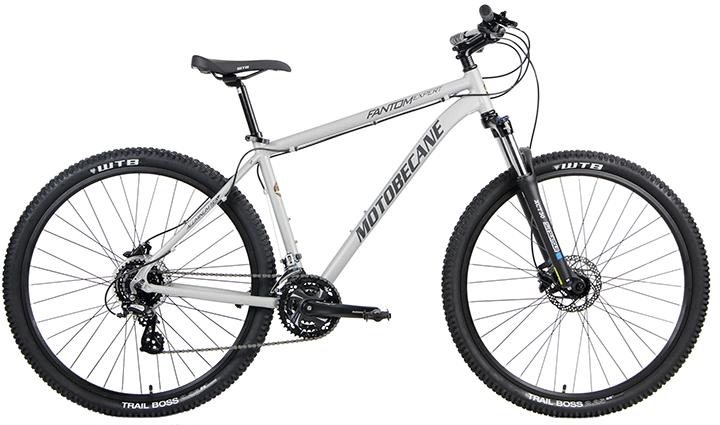
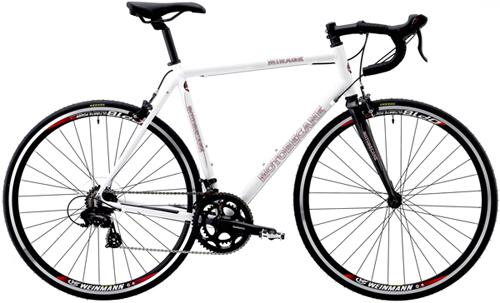
If you compare a road-focused option like the Motobecane Mirage S to a trail-capable choice like the Motobecane Fantom 29 EXPERT, you are really comparing use-cases. The Mirage is oriented toward efficient pavement speed, while the Fantom is built for uneven terrain control and trail stability.
Now compare the Mirage to a flat-bar, mixed-surface commuter like the Motobecane Mulekick Express Comp. Here, category overlap is closer for many riders. Tires, posture, and braking feel may become the deciding factors, not the drivetrain name. This is where the five-spec method shines.
The spec-sheet habit that makes shopping easier
When you are stuck between two bikes, stop scrolling and write down your top three needs. Comfort. Hill ability. Wet-weather control. Speed. Cargo capability. Then check which bike supports those needs through fit, tires, brakes, and gearing. Specs become useful when they answer your real riding questions.
BikesDirect listings make it easy to compare value across categories, but the smartest move is still choosing the right type of bike first. Once you do that, the best option usually becomes obvious.
To explore the full range of categories BikesDirect carries, look at a road bike, a mountain bike, a gravel bike, a beach cruiser, a hybrid bike, or a fat bike. To get help comparing two listings quickly, please contact BikesDirect.
How to Choose a Watch That Balances Bold Style and Fashion Elegance
How a Pain Relief Clinic in Cerritos Measures and Tracks Your Recovery Progress
Why Hiring a RERA-Approved Valuer Ensures Accurate Property Pricing
Guildford’s Winter Magic: Castle Lights & Cathedral Candlelight Concerts
Do You Really Need a Smart Weld Controller for Better Weld Quality?
