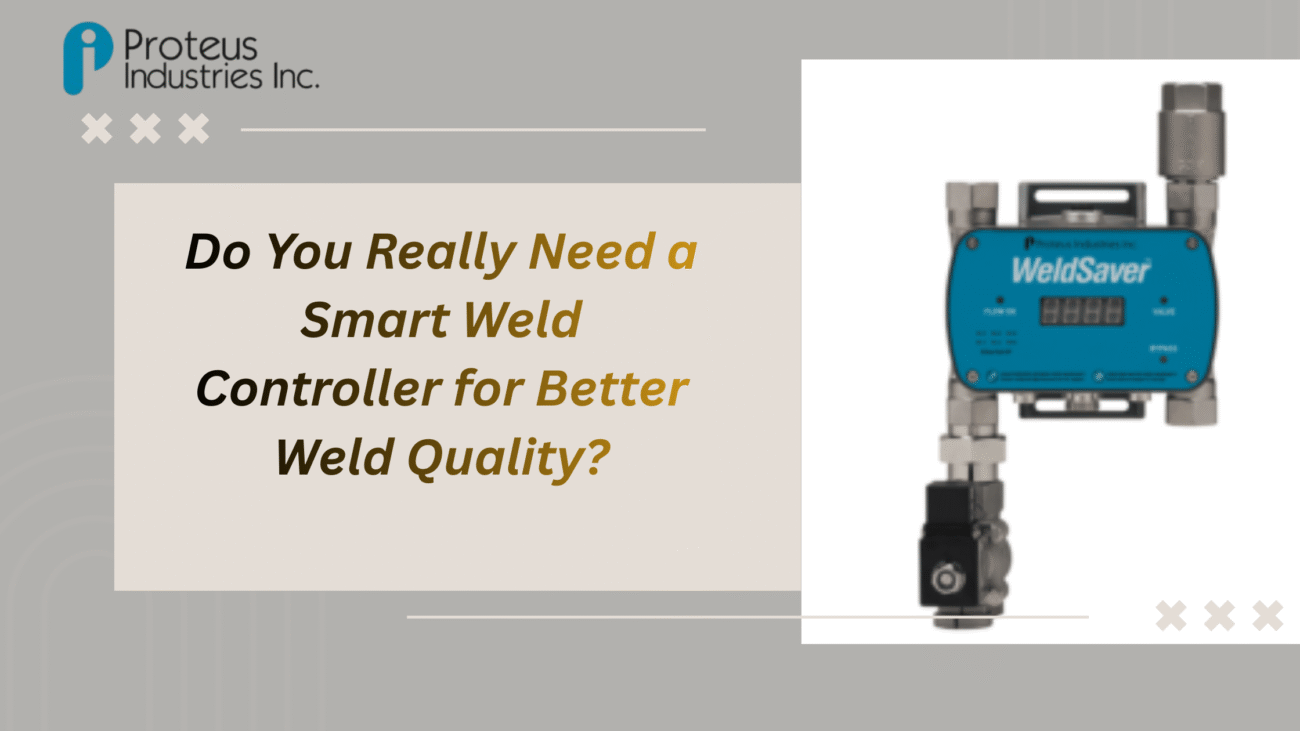
In today’s competitive manufacturing world, weld quality is not optional — it’s essential. Whether you’re producing automotive components, electronic assemblies, heavy machinery, or precision metal parts, the strength and consistency of every weld directly impact product performance and safety.
But here’s the big question: Do you really need a smart weld controller to improve weld quality?
The short answer? If you care about consistency, efficiency, and long-term cost savings — yes.
Let’s break it down in simple terms and explore why upgrading to a smart weld controller may be one of the most important decisions for your production line.
What Is a Weld Controller?
A weld controller is the system that manages and regulates your welding process. It controls critical welding parameters such as:
- Weld time
- Current
- Voltage
- Energy output
- Pressure (especially in resistance welding)
Think of it as the “brain” behind your welding operation. Without proper control, even the most advanced welding machine can produce inconsistent or weak welds.
A smart weld controller goes beyond basic control. It monitors performance in real time, records data, detects irregularities, and automatically adjusts parameters to maintain quality.
Why Weld Quality Matters More Than Ever
In high-performance manufacturing, even a small welding defect can lead to:
- Product failure
- Costly recalls
- Safety risks
- Customer complaints
- Production delays
Industries such as automotive, aerospace, electronics, and industrial manufacturing operate under strict quality standards. There is very little room for error.
If your welding process relies heavily on manual adjustments or outdated controllers, you may already be risking inconsistent results.
The Limitations of Traditional Weld Controllers
Older or basic weld controllers typically:
- Provide limited feedback
- Require manual adjustments
- Lack detailed data tracking
- Do not detect small variations quickly
This can result in:
- Overheating
- Weak weld joints
- Excessive spatter
- Electrode damage
- Increased scrap rates
When weld settings are not precisely controlled, small inconsistencies can multiply across large production runs.
What Makes a Weld Controller “Smart”?
A smart weld controller includes advanced features such as:
- Real-time monitoring
- Closed-loop feedback systems
- Data logging and storage
- Automatic parameter adjustments
- Predictive maintenance alerts
- Integration with automation systems
Instead of simply delivering power, it continuously analyzes and optimizes the welding process.
This is especially valuable in high-volume production environments where precision must be repeated thousands of times per day.
How Smart Weld Controllers Improve Weld Quality
1. Consistent Energy Delivery
Weld strength depends on delivering the right amount of energy at the right time. A smart weld controller ensures that current and timing remain precise for every weld cycle.
Even minor variations are detected and corrected immediately.
2. Real-Time Monitoring
Smart systems monitor voltage, current, and resistance during each weld. If the system detects abnormal conditions, it can alert operators or stop the process.
This prevents defective welds from moving further down the production line.
3. Reduced Human Error
Manual adjustments increase the risk of mistakes. Smart controllers automate critical settings, reducing reliance on operator guesswork.
Automation leads to greater reliability.
4. Improved Electrode Protection
Electrode wear can affect weld quality. Smart controllers detect irregularities that may indicate electrode degradation, helping prevent equipment damage and inconsistent results.
5. Data-Driven Quality Control
One of the biggest advantages of smart weld controllers is data logging. Every weld cycle can be recorded and analyzed.
This allows manufacturers to:
- Track performance trends
- Identify recurring issues
- Improve process efficiency
- Maintain compliance with quality standards
In regulated industries, traceability is extremely important.
Do You Actually Need One?
The answer depends on your operation.
You likely need a smart weld controller if:
- You produce high-volume parts
- You face frequent weld inconsistencies
- You experience high scrap or rework rates
- You operate in a regulated industry
- Downtime is costly for your business
- You want better process control
If weld quality directly impacts your product’s performance or safety, a smart controller is not a luxury — it’s a necessity.
Cost vs. Long-Term Savings
Some manufacturers hesitate to upgrade due to initial costs. However, the long-term savings often outweigh the investment.
Smart weld controllers reduce:
- Scrap material
- Rework labor
- Equipment damage
- Downtime
- Quality inspection failures
Over time, improved efficiency and fewer defects can significantly increase profitability.
Integration with Modern Manufacturing Systems
Today’s production environments rely on automation and data-driven decision-making.
Smart weld controllers can integrate with:
- PLC systems
- Robotic welding arms
- Manufacturing execution systems (MES)
- Quality control software
This integration supports Industry 4.0 initiatives and improves overall production transparency.
Manufacturers can monitor performance across multiple stations in real time.
Industries That Benefit Most
Smart weld controllers are especially valuable in:
- Automotive manufacturing
- Aerospace production
- Electronics assembly
- Appliance manufacturing
- Medical device production
- Heavy equipment fabrication
In these industries, weld quality affects safety, compliance, and brand reputation.
Predictive Maintenance: A Game Changer
Unexpected downtime is expensive. Smart weld controllers can identify warning signs before equipment fails.
By analyzing electrical patterns and system behavior, they help maintenance teams address small issues before they become major problems.
This proactive approach reduces emergency repairs and keeps production running smoothly.
Future-Proofing Your Welding Process
Manufacturing technology continues to evolve. Customers expect higher quality, faster production, and greater reliability.
Upgrading to a smart weld controller prepares your operation for:
- Stricter quality regulations
- Increased automation
- Higher production demands
- Greater customer expectations
Staying competitive means investing in smarter systems.
The Bottom Line
So, do you really need a smart weld controller for better weld quality?
If you want consistent weld strength, lower defect rates, reduced downtime, improved efficiency, and long-term cost savings — the answer is yes.
Smart weld controllers provide precision, monitoring, and automation that traditional systems simply cannot match.
In high-performance manufacturing, quality is everything. A smart weld controller ensures that every weld meets your standards — every single time.
Take the Next Step Toward Better Weld Quality
If you’re ready to improve precision, reduce defects, and enhance your welding performance, it’s time to explore advanced control solutions.
Contact Proteus Industries today to learn how smart weld control technology can strengthen your manufacturing process and deliver reliable, high-quality results.
