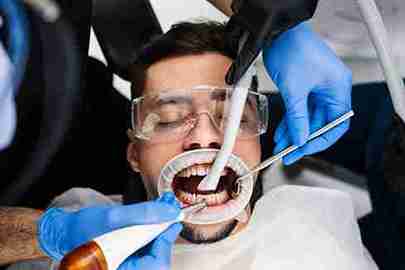
DIY teeth whitening has surged in popularity, fuelled by social media hacks, online tutorials and home remedies that promise quick, inexpensive results. From baking soda and charcoal to lemon mixtures and unregulated whitening strips, many of these methods seem harmless but can pose serious risks. While some may offer short-term brightness, they often damage enamel, irritate gums and contribute to long-term sensitivity. Unsupervised whitening products bought online may also contain unsafe ingredients or inconsistent peroxide levels. Understanding these hidden dangers highlights why professionally guided treatments remain the safest and most effective way to achieve a brighter, healthier smile.
Why DIY Whitening Is So Popular
The appeal of DIY whitening is understandable, with many people seeking quick, affordable ways to brighten their smile. Social media promotes easy fixes, and the convenience of using household ingredients or low-cost online products encourages experimentation. Many also assume “natural” automatically means safe.
Reasons people choose DIY whitening include:
- Desire for fast, inexpensive results
- Convenience of at-home methods
- Misleading social media trends
- Belief that natural remedies are harmless
- Budget limits or juggling other treatments like laser hair removal in Wolverhampton
However, these seemingly simple methods can lead to unexpected damage.
How Whitening Actually Works
Understanding DIY whitening risks starts with knowing how whitening truly works. Professional treatments use controlled hydrogen peroxide or carbamide peroxide to break down deep stains safely and effectively. These formulas are regulated, tested and tailored to individual dental needs. DIY methods, however, rely on unsafe approaches.
Common DIY whitening issues include:
- Abrasives that scrub enamel and cause long-term wear
- Acids that dissolve enamel, creating temporary brightness but lasting damage
- No regulated whitening agents or safety controls
- Increased sensitivity due to enamel thinning
Ultimately, these methods may brighten teeth briefly but never safely.

The Hidden Risks: Top 5 Side Effects of DIY Whitening
1. Enamel Erosion
Enamel is the protective outer layer of the tooth, and once it’s gone, it cannot grow back. Many DIY whitening hacks involve ingredients that are far too harsh for enamel, including lemon juice, vinegar, and abrasive powders.
Why this is dangerous:
- Acids dissolve enamel, thinning it permanently
- Abrasive scrubs scratch the enamel surface
- Thinned enamel exposes more dentine, making teeth look yellower
- Eroded enamel increases risk of decay and sensitivity
People who attempt these methods regularly often notice worsening yellow tones over time the opposite of what they hoped for.
2. Tooth Sensitivity
One of the most common complaints after using DIY whitening products is increased sensitivity. Over-the-counter strips or online whitening kits may contain peroxide levels that are either too strong or poorly regulated.
How sensitivity develops:
- Whitening products penetrate enamel to reach the dentine
- If misused, they irritate the nerves
- Overuse dehydrates the tooth temporarily, heightening sensitivity
Sensitivity can be especially uncomfortable when teeth are exposed to cold drinks, hot foods or even air. For those who already struggle with sensitivity, DIY whitening can make symptoms significantly worse. This is why many people exploring cosmetic treatments such as Teeth Whitening Wolverhampton choose to seek professional guidance rather than risk damaging their enamel further.
3. Gum Irritation and Chemical Burns
Improperly applied whitening gel or harsh home mixtures can easily irritate or burn the gums. Even natural ingredients posed as “gentle solutions” can cause inflammation.
Common irritants include:
- High-strength peroxide from unregulated online sellers
- Whitening strips that don’t fit properly
- Acidic mixtures like lemon and baking soda
- Charcoal powders that become lodged in the gum line
Symptoms of gum damage may include redness, swelling, tenderness and peeling. In severe cases, gum burns can expose sensitive tissue, leading to infection or long-term recession.
4. Uneven or Patchy Whitening
DIY whitening rarely produces consistent results. Because home methods are less controlled, they often fail to whiten each tooth evenly.
Why uneven whitening happens:
- Enamel thickness varies across the mouth
- Home remedies affect only surface stains
- Whitening strips may not adhere properly
- Overuse can damage some teeth more than others
People sometimes find that only the front teeth lighten slightly, while the rest remain unchanged. Patchy whitening can also highlight existing flaws, creating a less attractive result overall.
5. Damage to Restorations and Dental Work
DIY whitening is not suitable for people with crowns, veneers, fillings or bonding. Whitening products do not change the colour of dental restorations, meaning the natural teeth may lighten while the treated teeth stay the same shade.
Potential issues:
- Mismatched tooth colour
- Scratches on restorations due to abrasive scrubs
- Increased wear on bonding or composite fillings
This mismatch can lead to a patchy smile that requires corrective dental work. Professionals consider restorations when recommending treatments, something DIY methods cannot do.
Additional Risks of Online Whitening Products
Without regulation, online whitening kits can contain dangerously high peroxide levels or unknown additives.
Potential dangers:
- Chemical burns
- Severe sensitivity
- Allergic reactions
- Damage to enamel and gums
- Lack of product safety testing
It’s important to remember that just because a product is widely advertised does not mean it is safe or effective.
Safer Alternatives to DIY Teeth Whitening
If you want a brighter smile without risking your dental health, there are safer options available.
Professional options:
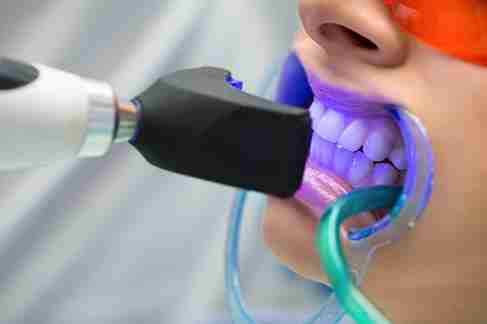
- In-clinic whitening for controlled results
- Custom trays for at-home whitening under dentist supervision
- Air polishing during routine cleaning
Gentle at-home habits:
- Brushing twice daily with fluoride toothpaste
- Drinking water after staining foods
- Reducing tea, coffee and red wine consumption
For individuals balancing cosmetic routines, such as teeth whitening Wolverhampton alongside Laser Hair Removal in Wolverhampton, choosing dentist-approved whitening methods ensures safety without compromising long-term oral health.
When to Seek Professional Advice
You should consult a dentist if:
- Your sensitivity becomes severe
- You notice gum irritation after using whitening products
- You have existing dental work that may not whiten evenly
- DIY remedies fail to produce results
Professional care ensures your whitening journey protects both your teeth and gums.
Conclusion
DIY teeth whitening may seem affordable and convenient, but the hidden risks often outweigh the temporary benefits. From enamel erosion and gum irritation to uneven results, unregulated methods can cause lasting damage that requires costly treatment later. By choosing professional whitening options and avoiding unsafe shortcuts, you can enjoy a brighter smile while protecting your long-term oral health. Thank you for choosing Wolverhampton for guidance that supports both your confidence and wellbeing.
