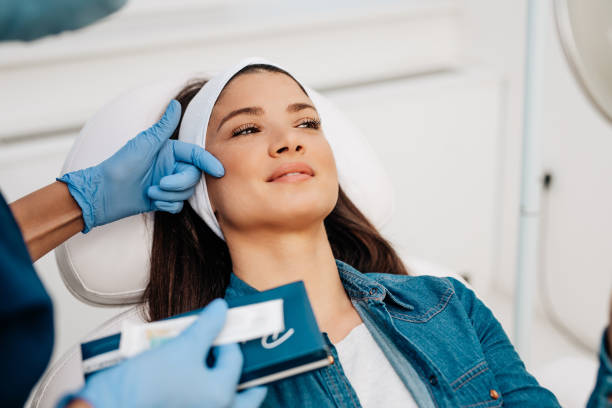
Platelet-Rich Plasma (PRP) therapy has become a popular option for enhancing natural healing, restoring hair, rejuvenating skin, and supporting joint health. One of the most common questions people ask before starting PRP treatment in Abu Dhabi is how frequently the therapy should be administered. The answer depends on several factors, including the area being treated, the individual’s response to therapy, and the desired outcome. Understanding treatment frequency is essential for maximizing benefits and maintaining long-term results.
Understanding PRP Treatment
PRP therapy involves isolating platelets from a small sample of a patient’s blood and concentrating them into a solution rich in growth factors. When injected into targeted areas, these platelets stimulate tissue repair, collagen production, and cellular regeneration. Unlike other treatments that provide immediate results, PRP works gradually by enhancing the body’s natural healing processes.
The regenerative effects of PRP can be observed in various applications. For hair restoration, it can help reactivate dormant follicles and improve density. In skin rejuvenation, it promotes smoother, firmer, and more radiant skin. For joint therapy, PRP encourages tissue repair and can support improved mobility and comfort.
Factors That Determine Treatment Frequency
The frequency of PRP treatments is not universal and varies according to multiple factors. Understanding these factors can help individuals plan an effective treatment schedule and achieve optimal results.
Area of Treatment
Different treatment areas respond differently to PRP. Hair restoration typically requires multiple sessions spaced a few weeks apart to stimulate dormant follicles and maintain hair growth. Skin rejuvenation may also benefit from several treatments to improve texture, tone, and elasticity gradually. In joints, PRP injections may be spaced further apart since tissue repair in cartilage and tendons occurs over a slower timeline.
Individual Healing Response
The body’s regenerative capacity plays a significant role in determining how often PRP should be administered. Younger individuals or those with robust healing abilities may achieve noticeable results with fewer sessions. Conversely, older individuals or those with slower tissue repair may require additional treatments to see the same level of improvement.
Treatment Goals
The intended outcome influences the frequency of sessions. For more intensive results, such as significant hair regrowth or dramatic skin texture improvements, a series of initial treatments may be recommended. Maintenance sessions can then be scheduled periodically to sustain these results.
Lifestyle and Overall Health
Lifestyle factors such as nutrition, sleep, physical activity, and exposure to environmental stressors can affect how long PRP results last and how frequently treatments are needed. Supporting the body’s healing processes through healthy habits can enhance the effects of PRP and may reduce the need for more frequent sessions.
Typical PRP Treatment Schedules
Although schedules can vary, there are general guidelines for how often PRP sessions are administered based on the area being treated.
For hair restoration, many individuals start with a series of treatments spaced four to six weeks apart. This interval allows platelets to stimulate follicle activity while giving the scalp time to respond. After the initial series, maintenance sessions may be recommended every six to twelve months to sustain hair density.
For skin rejuvenation, sessions are commonly spaced three to four weeks apart. This allows the skin to complete the initial regenerative cycle stimulated by PRP before receiving further treatment. Maintenance treatments every six to twelve months can help prolong improvements in texture, firmness, and overall appearance.
For joint therapy, PRP sessions are often spaced further apart, ranging from six weeks to several months depending on the severity of the condition and the response to treatment. Some individuals may only require one series of injections per year, while others may benefit from more frequent follow-ups to maintain joint function and comfort.
Importance of Follow-Up and Monitoring
Regular follow-up after PRP treatments is essential to track progress and adjust the frequency of sessions. Observing how the treated area responds over time allows for personalized adjustments, ensuring optimal outcomes. For example, if hair growth slows or skin texture begins to revert, a booster session may be scheduled to reinforce results.
Monitoring also helps identify the best interval between treatments. Since PRP relies on natural tissue regeneration, spacing sessions too closely may not provide additional benefit, while spacing them too far apart could delay the desired outcomes.
Enhancing the Longevity of PRP Results
While the frequency of PRP sessions is important, the longevity of results is also influenced by supportive measures. Maintaining healthy lifestyle habits, protecting the treated areas from stress or damage, and adhering to recommended follow-up schedules all contribute to lasting effects.
For skin, gentle skincare, hydration, and sun protection can help maintain improvements in texture and elasticity. For hair, avoiding excessive chemical or heat treatments and supporting scalp health may extend the benefits. For joints, staying active and avoiding overuse or injury supports continued mobility and comfort.
Frequently Asked Questions (FAQs)
How soon should I repeat a PRP treatment?
The timing of repeat sessions depends on the area treated and individual response. Hair restoration may require follow-up every four to six weeks initially, while skin rejuvenation often benefits from three to four-week intervals. Joint therapy intervals may range from six weeks to several months.
How many sessions are typically needed for optimal results?
Most treatments begin with a series of sessions. Hair restoration and skin rejuvenation often require three to four initial sessions, while joint therapy may need fewer sessions depending on the condition. Maintenance sessions help sustain long-term benefits.
Can PRP results last without frequent treatments?
Results can last several months depending on the area treated, lifestyle, and regenerative capacity. Periodic maintenance sessions are recommended to extend the benefits and maintain visible improvements.
Does age affect how often PRP treatments are needed?
Yes, younger individuals with higher regenerative capacity may require fewer sessions, while older individuals or those with slower tissue repair may need more frequent treatments to achieve optimal results.
What happens if sessions are spaced too far apart?
Spacing sessions too far apart may slow progress and delay desired outcomes. Properly spaced treatments allow the body to respond to each session and maximize the regenerative effect of PRP.
Can lifestyle influence the frequency of PRP treatments?
Absolutely. Healthy habits, such as proper nutrition, adequate sleep, and regular physical activity, can enhance healing and reduce the need for more frequent sessions.
Is there a standard schedule for PRP maintenance?
While there is no one-size-fits-all schedule, many individuals benefit from maintenance sessions every six to twelve months after completing the initial series. The exact timing depends on the area treated and individual response.
Can Teeth Whitening Damage Tooth Enamel?
Fear Of God Essentials Clothing
A Beginner’s Guide to Visiting Hair Salons in Dallas Texas for the First Time
Auto Glass Replacements in Maryville, TN: Quality Service for Your Vehicle’s Safety and Comfort
How Do Dermatological Treatments Address Hair and Nail Disorders?
