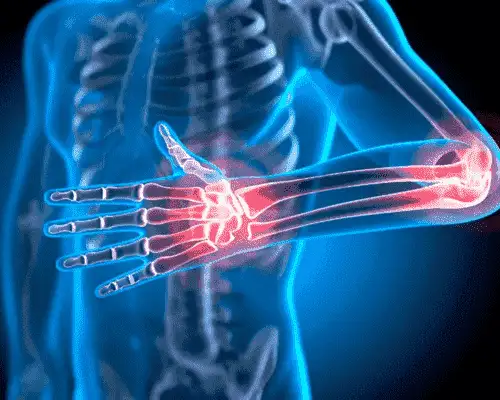
If your joints are limiting your life, training, working, sleeping, or simply moving without hesitation, you don’t just want temporary relief. You want a plan that protects your long-term function. That’s the heart of joint preservation: identifying what’s driving pain or breakdown early, restoring stability and mechanics, and using modern treatments that keep your natural joint working as long as possible.
This inside look at SIGMA Orthopedics Bayonne, NJ, explains what joint preservation really means, how care is tailored for active patients, where regenerative medicine may fit, how precision surgery supports durable repairs when surgery is needed, and how the clinic stays focused on real patient results, not vague promises.
What Joint Preservation Means at SIGMA Orthopedics
Joint preservation is not doing less. It’s doing what’s right, at the right time, to protect the joint and reduce the chance that small problems become bigger ones. For many patients, this approach prioritizes an accurate diagnosis of the true pain generator, uses non-surgical pathways when appropriate, relies on minimally invasive or tissue-respecting procedures when needed, and supports long-term joint health through smarter movement strategy and strength-focused support.
At SIGMA Orthopedics, Bayonne, NJ, the goal is to keep patients moving confidently, whether that means returning to sport, staying active with family, or maintaining physical independence.
How SIGMA Orthopedics, Bayonne N,J Builds a Preservation-First Plan
A high-quality plan starts with clarity. Many joint issues overlap in symptoms, aching, catching, stiffness, swelling, or weakness, so the first priority is identifying what’s truly driving the problem.
A preservation-first evaluation often includes:
- A detailed history focused on function (what you can’t do now vs. what you want to do again)
- A physical exam that tests stability, mobility, strength, and mechanics
- Imaging when appropriate to confirm structural changes or tissue injury
- Clear next steps that match your goals and lifestyle demands
Patients often feel more confident simply because the plan becomes structured. Instead of “try this and hope,” there’s a roadmap.
Where Regenerative Medicine Fits Into Joint Preservation
Many active patients ask about regenerative medicine because they want options that support healing and reduce downtime. The important point is this: regenerative care is not a one-size-fits-all solution. It can be a valuable part of a preservation strategy in certain cases, and less useful in others.
In a preservation framework, regenerative approaches are typically considered when the goal is to:
- Support tissue recovery`1
- Calm inflammation that limits function
- Improve symptoms while building strength and mechanics
- Complement a broader plan rather than replace it
A responsible approach to regenerative care includes honest expectations, clear candidacy criteria, and measurable follow-up, not hype.
Precision Surgery When Repair Is the Best Option
Joint preservation doesn’t mean “never surgery.” It means surgery is used strategically, when it can protect function, restore stability, and prevent worsening damage.
Precision surgery typically focuses on doing the right repair with minimal unnecessary disruption. Depending on the joint and diagnosis, that may include minimally invasive techniques, targeted repairs, stabilization procedures, or cartilage/soft-tissue–preserving approaches.
The advantage of precision isn’t just smaller incisions, it’s alignment between:
- The diagnosis
- The repair strategy
- The rehab plan
- The patient’s activity demands
When those match, outcomes tend to be more durable and predictable.
The SIGMA Focus on Patient Results That Matter
A preservation plan is only as good as what it returns to your life. At SIGMA Orthopedics, Bayonne, NJ, meaningful patient results are not just “less pain.” They’re functional wins that show up in real life, such as:
- Sleeping through the night without joint pain waking you up
- Walking stairs, squatting, or lifting without instability
- Returning to sport-specific movements with confidence
- Reducing flare-ups and “good week / bad week” cycles
- Improving strength, endurance, and control in the joint over time
Results should be measurable. Even when improvement is gradual, the direction should be clear.
What Joint Preservation Looks Like Across Common Patient Goals
Joint preservation isn’t limited to one type of patient. It can serve different needs with the same core principle, protecting the joint while restoring capability.
For active adults
Preservation often centers on keeping exercise possible while eliminating pain patterns and correcting mechanics.
For athletes
It’s about performance and repeatability, returning to speed, load, impact, or overhead work without recurrence.
For busy professionals
It’s about efficient recovery, getting back to work demands with a realistic plan and minimal downtime.
For patients with early degeneration
It’s about managing load, protecting cartilage, and preventing progression where possible.
Frequently Asked Questions
Is joint preservation only for athletes?
No. Joint preservation benefits anyone who wants to protect long-term function, athletes, active adults, and patients with early joint changes.
Does regenerative medicine replace surgery?
Not always. Sometimes it’s used as part of conservative care; sometimes surgery is more appropriate. The right approach depends on the diagnosis, tissue quality, and goals.
How do I know if I need precision surgery?
If your symptoms persist despite structured non-surgical care, if there’s instability or mechanical locking, or if imaging shows a repairable structural issue, surgery may be discussed. A clinician must evaluate this.
What should patient results look like over time?
Progress usually includes fewer flare-ups, improved range of motion, increased strength and stability, and improved ability to do the activities that matter to you.
What if I’ve tried therapy before and it didn’t work?
Sometimes therapy fails because the diagnosis was incomplete, progression was off, or the plan didn’t match your demands. A re-evaluation can identify what was missed and rebuild the strategy.
Ready to Protect Your Joint and Get Back to Confident Movement?
If you’re looking for a preservation-first approach that matches an active lifestyle, SIGMA Orthopedics Bayonne, NJ, offers a plan built around clarity, modern options like regenerative medicine, and precision surgery when repair is the best path forward. The goal is simple: restore function, reduce setbacks, and deliver patient results that show up in your daily life, not just in the exam room.
When Should You Hire a Property Cleanout Service?
Interior Remodeling Trends Homeowners Love in Central Texas
Smarter Tech Solutions for Modern Business Growth
Water Heater Repair Weymouth: Fix Leaks and Restore Hot Water Fast
Alloy Wheel Shop in Bhiwandi — Where Style, Strength, and Performance Come Together
