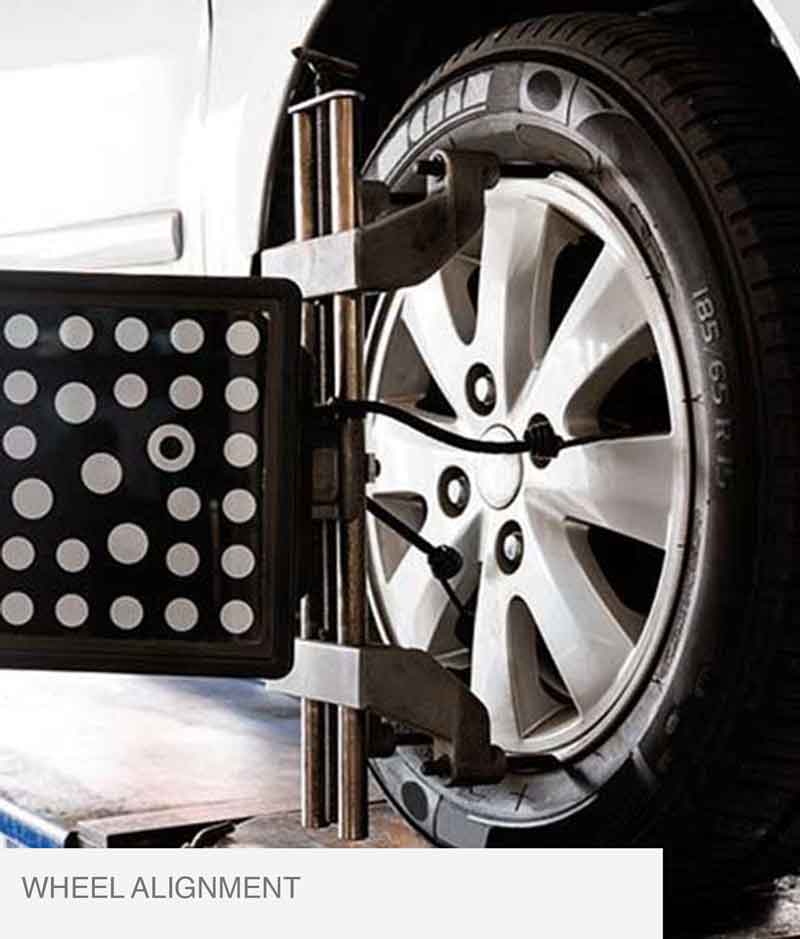
When was the last time your car felt perfectly steady on the road? No slight pulling to one side, no uneven steering, no strange tyre wear patterns — just smooth, confident driving. Many drivers assume that as long as their engine runs well and tyres look fine, everything is in good shape. But there’s one hidden factor that quietly affects safety, comfort, and vehicle lifespan: wheel alignment.
In rapidly developing areas like Kasarvadavli, where roads can include speed breakers, potholes, and uneven patches, alignment issues are more common than people realize. Even a small impact from a pothole or curb can shift your wheel angles slightly. You may not notice it immediately — but over time, the effects become obvious.
That’s why professional Wheel Alignment in Kasarvadavli plays such a crucial role in keeping your vehicle stable, efficient, and safe.
What Exactly Is Wheel Alignment?
Wheel alignment refers to adjusting the angles of your vehicle’s wheels so they match the manufacturer’s specifications. These angles determine how your tyres make contact with the road.
There are three primary alignment angles:
- Camber – The inward or outward tilt of the tyre when viewed from the front.
- Toe – The angle at which tyres point inward or outward when viewed from above.
- Caster – The angle of the steering axis that affects stability and cornering.
When these angles are correct, your vehicle drives straight and your tyres wear evenly. When they’re off, even slightly, problems begin to develop.
The Signs You Shouldn’t Ignore
Alignment issues rarely announce themselves loudly at first. They start subtly. You might notice:
- The steering wheel isn’t centered when driving straight
- The car pulls slightly to one side
- Uneven tyre wear on the inner or outer edges
- Reduced steering responsiveness
- Slight vibration at higher speeds
Many drivers ignore these signs, assuming they’re minor. But misalignment gradually worsens, leading to faster tyre wear and increased stress on suspension components.
Addressing alignment early prevents larger, more expensive repairs later.
Why Alignment Affects Safety
Your tyres are your car’s only contact with the road. If they aren’t aligned correctly, that contact becomes uneven. This reduces traction and affects braking efficiency.
Imagine needing to make a sudden stop in traffic. If your wheels aren’t aligned, braking distance can increase because tyres aren’t gripping the road surface evenly.
Alignment also influences steering stability. A well-aligned vehicle tracks straight, making it easier to maintain control. In emergency maneuvers, that control becomes critical.
The Comfort Factor
Driving should feel effortless — not like you’re constantly correcting the steering. Misaligned wheels force you to make subtle steering adjustments just to keep the vehicle straight. Over time, this creates fatigue, especially during long commutes.
Proper alignment restores smooth steering. The vehicle moves naturally in the direction you intend, without resistance or drift. This improves comfort and reduces driver stress.
Passengers may not know why the ride feels better — but they’ll notice the difference.
Protecting Your Tyres
Tyres are a significant investment. Misalignment causes uneven wear, often visible as bald patches on one side. Once uneven wear begins, it cannot be reversed. Even if you realign the wheels later, the tyre damage remains.
Regular alignment checks help maximize tyre lifespan. Even wear means better performance, safer handling, and fewer replacements.
In urban driving conditions, where roads can shift alignment frequently, periodic checks are especially valuable.
Fuel Efficiency Benefits
Few drivers realize that alignment affects fuel economy. When wheels aren’t aligned, rolling resistance increases. The engine must work harder to move the vehicle forward.
Aligned wheels roll smoothly and evenly, reducing unnecessary drag. Over time, this contributes to better fuel efficiency — an advantage for daily commuters.
Small efficiency gains add up over months and years.
How Alignment Complements Balancing
Wheel alignment and wheel balancing are often confused, but they serve different purposes. Balancing corrects weight distribution within the tyre and wheel assembly. Alignment adjusts the angle of the wheels relative to each other and the road.
Together, they create optimal driving conditions. Balanced wheels reduce vibration, while aligned wheels ensure straight tracking and even wear.
For complete wheel care, both services are essential.
When Should You Get an Alignment?
Experts generally recommend checking alignment:
- Every 8,000–10,000 km
- After hitting a pothole or curb
- When replacing tyres
- If you notice steering issues
- After suspension repairs
Even if your car feels fine, periodic inspections provide peace of mind.
Preventive maintenance always costs less than reactive repairs.
The Role of Professional Equipment
Modern alignment systems use advanced computerized technology to measure wheel angles with precision. Laser-guided systems detect even minor deviations from factory settings.
Skilled technicians interpret these measurements and make precise adjustments. This ensures your vehicle meets manufacturer specifications.
Attempting shortcuts or ignoring professional calibration risks further misalignment and uneven wear.
Long-Term Vehicle Health
Alignment impacts more than tyres. Suspension components, steering systems, and wheel bearings all benefit from proper geometry.
When wheels are aligned, stress distributes evenly across components. This reduces wear and extends the lifespan of critical parts.
Over time, consistent alignment maintenance saves money by preventing premature repairs.
Driving Confidence Comes from Precision
There’s a noticeable difference when your vehicle is properly aligned. Steering feels centered and stable. The car tracks straight without correction. Tyres wear evenly. Fuel efficiency improves.
These improvements may seem subtle at first — but together, they transform the driving experience.
Confidence behind the wheel grows when your car responds exactly as expected. Whether navigating tight city streets or cruising on highways, precision alignment ensures predictability and control.
A Small Adjustment with Big Impact
Wheel alignment may not be the most glamorous part of vehicle maintenance, but it’s one of the most important. It protects your tyres, improves comfort, enhances safety, and supports fuel efficiency.
In busy and evolving road environments, maintaining proper alignment becomes even more crucial. Roads change, traffic increases, and driving conditions vary — but your vehicle should remain steady and dependable.
Ultimately, alignment is about keeping your vehicle true to its intended path — literally and figuratively.
Because when your wheels are aligned, your journey feels smoother, safer, and more controlled. And that peace of mind is something every driver deserves, every single day.
When Should You Hire a Property Cleanout Service?
Interior Remodeling Trends Homeowners Love in Central Texas
Smarter Tech Solutions for Modern Business Growth
Water Heater Repair Weymouth: Fix Leaks and Restore Hot Water Fast
Alloy Wheel Shop in Bhiwandi — Where Style, Strength, and Performance Come Together
