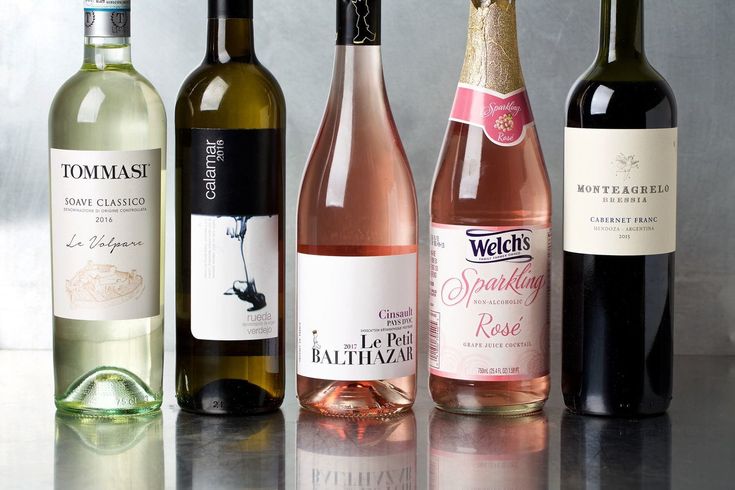
A quiet revolution has been unfolding in the world of beverages. The growing demand for healthier lifestyles, mindful consumption, and inclusive social experiences has ushered in a new era for drinkers seeking sophisticated alternatives to traditional alcoholic beverages.
alcohol free wine, once a niche curiosity relegated to the edges of the wine and spirits market, are now emerging as a vibrant and dynamic category. Today’s non-alcoholic wines, spirits, and craft beverages promise complexity, depth, and pleasure, without the intoxicating effects of alcohol.
A Shift in Cultural Palates
Historically, abstaining from alcohol often meant missing out on the ritual, flavor, and communal experience associated with wine and spirits. Social events, fine dining, and celebrations were overwhelmingly centered around alcohol.
However, evolving consumer preferences have reshaped this landscape. Modern drinkers are increasingly health-conscious, seeking lower-calorie options, reduced sugar, and mindful indulgence.
According to a recent report by the International Wine and Spirit Research, the global non-alcoholic wine and spirits market has been growing at double-digit rates, signaling a profound shift in consumption patterns.
This cultural shift isn’t just about wellness; it’s also about inclusivity. Alcohol free wine allows people who cannot or choose not to consume alcohol, whether for health reasons, pregnancy, or personal preference, to fully participate in social rituals.
This democratization of sophisticated drinking experiences has pushed producers to elevate quality, taste, and presentation, moving far beyond the era of overly sweet “mocktails” or watered-down imitations.
Craftsmanship Behind Non-Alcoholic Vintages
Creating a non-alcoholic wine or spirit that resonates with seasoned drinkers requires meticulous craftsmanship. Unlike traditional wine, where fermentation naturally develops flavor, aroma, and complexity.
Non-alcoholic wines must balance the extraction of flavor with the careful removal or prevention of alcohol formation. Techniques such as vacuum distillation, reverse osmosis, and cold filtration are used to reduce alcohol while preserving the nuanced character of the beverage.
Vacuum distillation, for example, gently removes alcohol at lower temperatures, retaining delicate aromatic compounds that define the essence of the wine. Reverse osmosis separates alcohol molecules from the liquid without stripping its body or flavor profile.
Creating a final product that mirrors traditional wine in complexity. The artistry lies not only in technology but in the expertise of winemakers who select grape varieties, fermentation times, and maturation techniques to ensure a layered, satisfying taste experience.
Similarly, non-alcoholic spirits are crafted with precision. Infusions of herbs, spices, and botanicals, paired with advanced distillation techniques, replicate the sensory richness of gin, whiskey, rum, and even complex aperitifs.
Companies like Seedlip and Ritual have led the charge in creating premium non-alcoholic spirits that maintain depth and character, demonstrating that abstaining from alcohol doesn’t mean sacrificing sophistication.
Exploring Flavor Profiles
The appeal of alcohol free wine lies not only in their absence of alcohol but in the surprising range of flavors it offers. Non-alcoholic wines now span classic varietals such as Cabernet Sauvignon, Chardonnay, and Pinot Noir, each offering the familiar bouquet of berries, oak, and mineral undertones, albeit in a lighter, more nuanced form. Sparkling non-alcoholic wines bring effervescence and festive flair, perfect for celebrations where clinking glasses is essential.
Non-alcoholic spirits, meanwhile, provide a playground for culinary creativity. Bartenders and enthusiasts are discovering that these spirits can be paired with mixers, herbs, and fruits to create cocktails that are layered, complex, and visually stunning, without the post-drink haze. A non-alcoholic Negroni, for instance, combines bitter, sweet, and aromatic elements, offering a sensory experience on par with its traditional counterpart.
Beyond traditional flavors, alcohol free wine also embrace innovation. Blends incorporating exotic botanicals, fruits, and spices are becoming increasingly popular, offering adventurous palates a chance to explore something entirely new.
From smoky non-alcoholic whiskies infused with charred oak and vanilla to herbal-forward aperitifs reminiscent of Italian classics, the variety is now staggering, challenging the stereotype that alcohol-free beverages are bland or uninspired.
Pairing and Dining
Alcohol free wine are not just stand-alone beverages—they are increasingly recognized as companions to food, deserving the same careful consideration as traditional wines. Sommeliers and chefs are beginning to curate pairing menus around non-alcoholic options, matching the flavor intensity and structure of the beverage to the dish.
A crisp, alcohol-free Sauvignon Blanc may complement a fresh seafood ceviche, while a full-bodied non-alcoholic red can stand up to a rich mushroom risotto. Sparkling varieties add a celebratory touch to appetizers and desserts alike, demonstrating that the ritual of pairing food and drink need not be compromised.
The rise of non-alcoholic pairings also expands possibilities for inclusive dining. Guests who abstain from alcohol no longer need to settle for water or soda; they can experience beverages crafted to harmonize with gourmet cuisine. Restaurants and tasting rooms are responding with dedicated non-alcoholic menus, signaling a new era where abstainers are no longer second-class participants in culinary experiences.
Social and Psychological Dimensions
The emergence of alcohol free wine also reflects changing social attitudes toward drinking. Traditional culture often equated socializing with alcohol consumption, but today’s society increasingly values moderation and conscious choices.
Sparkling zero provides a means to enjoy the ritual of drinking without the risks or downsides of alcohol, including impaired judgment, hangovers, and long-term health effects. They empower individuals to participate in celebrations, networking events, and social gatherings with clarity and control.
Psychologically, there is also a pleasure in choice. The ability to select a beverage based on flavor and craftsmanship, rather than obligation or convention, can transform the drinking experience into an intentional, mindful act. This aligns with broader wellness trends that emphasize mental clarity, self-awareness, and enjoyment without compromise.
Future Prospects
As the non-alcoholic category continues to evolve, the future promises even greater sophistication. Emerging technologies and fermenting techniques may unlock new flavors and textures, bringing even closer parity to traditional wines and spirits. Cross-cultural influences, sustainable sourcing, and organic production are already shaping the market, appealing to conscientious consumers who value both quality and ethics.
Moreover, the normalization of non-alcoholic vintages could reshape social norms. Weddings, corporate events, and nightlife may increasingly offer beverages that cater to everyone, regardless of alcohol preference, reducing stigma and expanding the possibilities for creative, inclusive gatherings.
Conclusion
Savoring the spirit without alcohol is no longer an afterthought or compromise; it is a deliberate choice that celebrates flavor, craftsmanship, and social inclusivity. Alcohol free wine offers a rich tapestry of experiences, from the nuanced complexity of a red wine to the aromatic depth of a botanical spirit. They honor the traditions of wine and cocktail culture while opening new avenues for innovation, mindfulness, and enjoyment.
