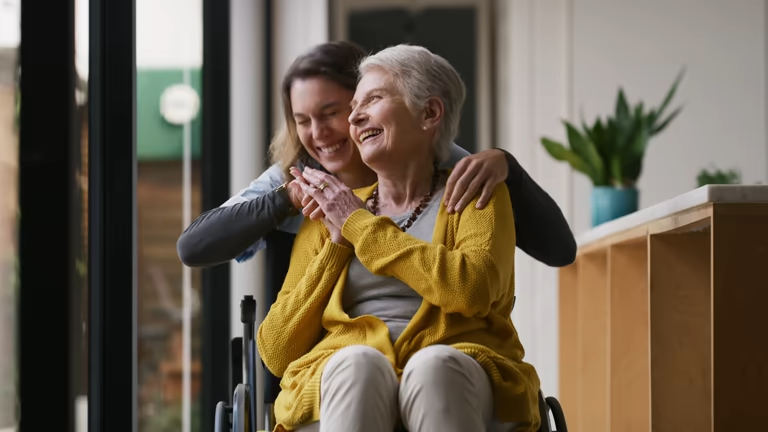
Finding the right support for loved ones at home can be a challenging task, especially as needs change due to age, illness, or disability. Many families face confusion between the terms “home help” and “home care,” often assuming they are the same service. While both aim to assist individuals in maintaining a comfortable and safe home environment, the nature of the support they provide is quite different. Home help generally focuses on household tasks and everyday chores, allowing individuals to continue living independently. In contrast, home care offers a more comprehensive approach, including personal care, health support, and companionship provided by trained professionals. Understanding these differences is essential for families to make informed decisions and ensure that their loved ones receive the level of assistance they require. Properly identifying whether home help or home care is appropriate can improve quality of life, safety, and overall well-being. Understanding these differences is crucial for families seeking the right support for their loved ones.
What is Home Help?
Home help, sometimes referred to as domestic assistance, primarily focuses on assisting individuals with routine household tasks and general support to maintain a safe and comfortable living environment. The main goal of home help is to provide support that allows individuals, particularly older adults, to continue living independently in their own homes.
Common home help services include:
- Cleaning and tidying the home
- Laundry and ironing
- Preparing meals and light cooking
- Shopping for groceries or other essentials
- Running errands
Home help services do not usually involve medical care or support with personal health needs. They are designed to make everyday life more manageable for individuals who might struggle with household tasks due to age, disability, or temporary health issues.
One of the advantages of home help is its flexibility. Families can hire home helpers for a few hours a week or daily support, depending on the individual’s needs. Additionally, home help can significantly reduce stress for family members who would otherwise be responsible for all household duties.
What is Home Care?
Home care is a more comprehensive service that goes beyond household support and focuses on assisting individuals with personal care, medical needs, and overall well-being. Home care is often provided by trained professionals such as caregivers or healthcare assistants who have undergone specialized training in patient care.
Home care services include:
- Personal hygiene assistance (bathing, dressing, grooming)
- Mobility support and assistance with walking or transferring from bed to chair
- Medication reminders or administration, depending on regulations and training
- Monitoring vital signs and general health
- Companionship and emotional support
- Assistance with specialized medical equipment
Home care is especially important for individuals who have chronic illnesses, disabilities, or age-related conditions that require regular support. It ensures that clients receive not only practical help but also compassionate care that addresses their physical and emotional well-being.
Key Differences Between Home Help and Home Care
Understanding the differences between home help and home care can help families make informed decisions about which service best suits their needs. Here are the main distinctions:
1. Scope of Services
- Home Help: Primarily focuses on domestic tasks and daily chores. The emphasis is on maintaining a clean, safe, and organized living space rather than providing medical or personal care.
- Home Care: Involves direct personal care and health support. The focus is on the individual’s overall well-being, including physical health, hygiene, and emotional support.
2. Level of Training Required
- Home Help: Typically does not require extensive training. While experience and reliability are important, home helpers are not generally required to undergo formal medical training.
- Home Care: Caregivers providing home care often undergo professional training, such as Home Care Training Mayo, to ensure they can safely and effectively assist clients with personal and health-related needs. Proper training helps caregivers respond to emergencies, manage medications, and provide care tailored to each individual.
3. Regulatory Standards
Home care services often operate under stricter regulatory standards due to the involvement of personal care and medical support. Caregivers may need certifications or licenses depending on local laws. In contrast, home help services have fewer regulatory requirements, focusing more on reliability and trustworthiness than formal certification.
4. Intensity of Support
Home help is usually suitable for individuals who are mostly independent but need assistance with household chores or occasional support. Home care, however, is designed for people who need more intensive support, such as assistance with daily personal tasks or management of medical conditions.
5. Cost Considerations
Generally, home help tends to be less expensive than home care because it involves less specialized training and fewer responsibilities. Home care, due to the higher level of skill required and potential for medical involvement, may be more costly. Families should consider both budget and the level of support required when making a decision.
Choosing the Right Service
Selecting between home help and home care requires careful consideration of the individual’s needs. Here are some factors to keep in mind:
- Health Status: If the individual has significant health concerns, chronic illness, or mobility issues, home care is likely the better option.
- Independence Level: For those who are mostly independent but need assistance with chores, home help may suffice.
- Frequency of Support: Consider whether support is needed daily, weekly, or occasionally. Home care may be more suitable for ongoing, consistent assistance.
- Budget: Factor in the cost differences between home help and home care services. Some families may opt for a combination of both to balance needs and expenses.
It is also important to look for providers with a strong reputation and qualified staff. Many caregivers seeking Carer Jobs Mayo bring the necessary skills, compassion, and professionalism to provide high-quality support. Families can benefit from connecting with certified caregivers who have completed proper home care training.
The Role of Home Care Training
Proper training is essential for home care providers to ensure safety and quality service. Home Care Training Mayo programs equip caregivers with the knowledge and skills required to assist clients effectively. Training often includes:
- First aid and emergency response
- Infection control and hygiene protocols
- Safe handling and mobility techniques
- Medication management
- Communication skills and emotional support
Caregivers who complete such programs are better prepared to meet the diverse needs of clients, from personal care to health monitoring. Training also builds confidence in caregivers, helping them handle challenging situations while ensuring client safety.
Benefits of Professional Home Support
Whether opting for home help or home care, professional support provides several benefits:
- Improved Quality of Life: Clients can maintain independence while receiving the support they need.
- Peace of Mind for Families: Knowing a trained professional is providing assistance reduces stress for family members.
- Customized Care: Services can be tailored to the individual’s needs, preferences, and lifestyle.
- Companionship: Many caregivers provide emotional support, reducing feelings of loneliness or isolation.
- Health Monitoring: Home care providers can detect changes in health early and respond appropriately.
For families seeking long-term solutions, hiring trained caregivers through reputable agencies ensures reliable and compassionate support. Caregivers seeking Carer Jobs Mayo are often well-prepared to deliver high-quality care while fostering a positive and safe environment.
Conclusion
Understanding the difference between home help and home care is essential for families planning support for loved ones. Home help primarily focuses on domestic tasks and general assistance, while home care involves trained professionals providing personal, medical, and emotional support. Factors such as health status, level of independence, and frequency of required support should guide the decision-making process.
Professional training, such as Home Care Training Mayo, ensures caregivers are prepared to provide safe and effective care. For those seeking opportunities, Carer Jobs Mayo offer fulfilling roles in supporting individuals and making a positive impact in their communities. By understanding the distinctions between these services, families can make informed choices, ensuring their loved ones receive the right support tailored to their unique needs.
