How a Furniture Visualizer Is Changing the Way People Buy Furniture
Buying furniture should feel exciting. But for most shoppers, it also comes with a lot of uncertainty. A sofa may look beautiful on a website, but will it suit the room? Will the size feel too large? Will the wood finish match the flooring, walls, or existing decor?
This is where a furniture visualizer makes a real difference.
Instead of leaving customers to imagine how a product might look in their home, brands can now offer a way to preview furniture in a realistic setting. A furniture visualizer helps shoppers see pieces inside a room before making a decision. That simple shift can reduce confusion, build trust, and make the shopping experience far more engaging.
For furniture brands, this is more than a useful tool. It is becoming a smarter way to help customers move from browsing to buying with confidence.
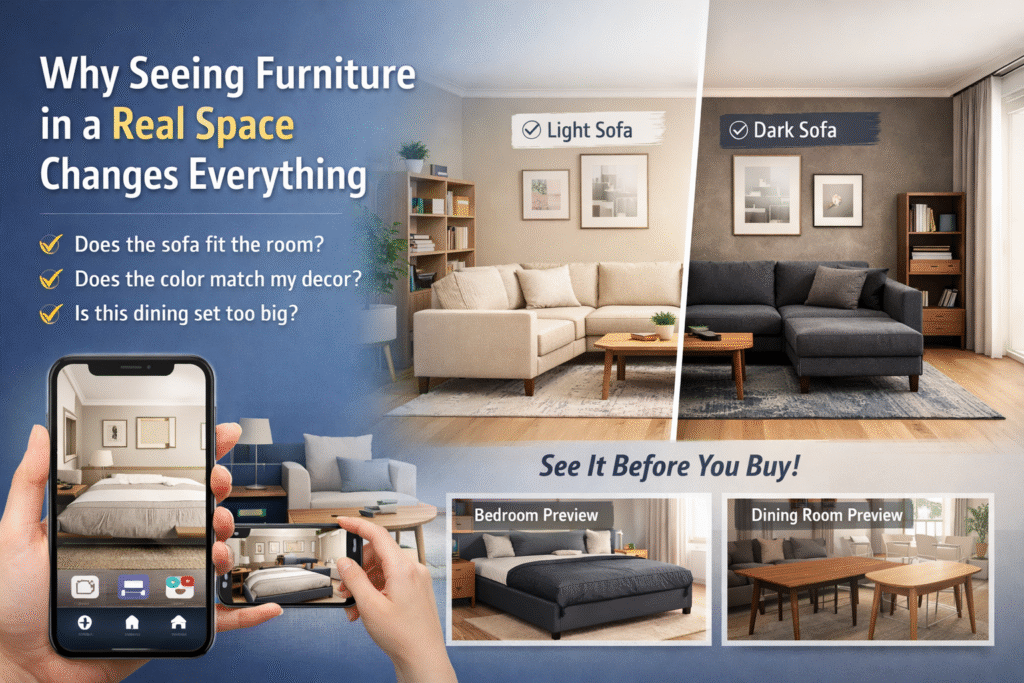
What Is a Furniture Visualizer?
A furniture visualizer is a digital solution that allows customers to place furniture into a room scene virtually. In some cases, users can upload a photo of their own space. In others, they can choose from preset room layouts and test different products inside them.
This allows shoppers to answer practical questions that are hard to solve with product photos alone. Will this table overpower the room? Does this accent chair fit the style of the space? Is this bed frame too bulky for a compact bedroom?
A furniture visualizer takes the guesswork out of those decisions. It helps buyers understand fit, style, scale, and overall look before they make a purchase.
Why Product Images Alone Are No Longer Enough
Good product photography still matters. Clean images, multiple angles, and close-up shots all help customers evaluate quality and design. But furniture is different from smaller online purchases. It is closely tied to the look and function of a living space.
That is why product photos often do not go far enough.
A customer may like a dining set in isolation but feel unsure about how it will work in their own home. They may save the product, compare multiple sites, or delay the decision entirely. This hesitation is common because furniture shopping involves more risk. The product is larger, more expensive, and harder to return than many other categories.
A furniture visualizer reduces that uncertainty by bringing the product into context. Instead of imagining, shoppers can see. And when people can see how something fits into a real setting, they tend to make decisions faster and with greater confidence.
How a Furniture Visualizer Improves the Customer Experience
The biggest strength of a furniture visualizer is that it creates clarity. It replaces doubt with a more interactive and helpful decision-making process.
Imagine someone searching for a new sectional sofa. They narrow their options down to two styles. One has a sleek modern shape, while the other feels softer and more traditional. On a product page, both may look appealing. But when placed into a virtual living room, one may clearly suit the space better. That visual confirmation can be the final push a customer needs.
The same applies to bedroom furniture, office desks, coffee tables, bookshelves, and entertainment units. Visualization helps customers compare products in a way that feels practical, not abstract.
This also makes online shopping feel more personal. The customer is no longer just scrolling through listings. They are actively designing, testing, and exploring possibilities. That kind of involvement keeps users engaged and creates a stronger connection with the brand.
Why Furniture Brands Benefit from Visualization Tools
A furniture visualizer is not only valuable for the shopper. It also delivers clear business benefits for brands.
First, it can improve conversions. When customers feel more certain, they are more likely to complete a purchase.
Second, it can increase on-site engagement. Interactive product experiences usually keep visitors on the website longer, which gives brands more chances to showcase products and guide users toward the right options.
Third, it may help reduce returns. Many furniture returns happen because the item looks different in a real room than expected. By offering a more realistic preview, brands can lower the chances of mismatch.
Fourth, it enhances the overall perception of the brand. A company that offers a modern, helpful shopping journey appears more innovative and customer-focused. In a crowded market, that can be a major differentiator.
This is one reason more businesses are moving beyond static catalogs and standard e-commerce pages. They want to create a buying experience that feels more confident, immersive, and conversion-ready.
Real Use Cases Where a Furniture Visualizer Adds Value
There are many practical ways a furniture visualizer can improve the shopping journey.
Living Room Furniture
Customers can compare sofas, coffee tables, TV units, and side chairs within one room scene. This helps them judge scale and layout far more effectively than by reading dimensions alone.
Bedroom Planning
Beds, wardrobes, and nightstands all affect how spacious or crowded a bedroom feels. Visualization helps buyers choose combinations that work together visually and functionally.
Home Office Setup
As more people invest in workspaces at home, furniture choices have become more intentional. A desk or chair may look stylish on its own but feel oversized in a smaller room. Seeing it in context helps avoid mistakes.
Finish and Material Comparison
Many buyers struggle when choosing between wood tones, upholstery colors, or surface finishes. A furniture visualizer makes those comparisons easier by showing variations in the same room environment.
These use cases show why visualization is not just a design feature. It is a practical selling tool.
What Makes a Good Furniture Visualizer?
Not every visualization tool creates the same experience. A strong furniture visualizer should be simple, realistic, and easy to use.
The interface should feel intuitive, even for first-time users. Product placement should appear natural and properly scaled. Shoppers should be able to switch between products smoothly without restarting the entire process. Mobile usability also matters, since many customers browse furniture on their phones.
Just as important, the experience should feel like a natural part of the brand journey. It should not look disconnected from the website or product experience.
Solutions from companies like Nirwana.ai are helping furniture businesses bring these experiences to life in a way that feels polished, brand-ready, and useful. The goal is not just to display furniture, but to make the buying journey easier and more effective.
Why Visualization Matters More in Modern E-Commerce
Online furniture retail is more competitive than ever. Customers have endless options and can compare brands in minutes. In that environment, a better experience can become a serious advantage.
A furniture visualizer gives shoppers something that basic product listings cannot offer: confidence. It helps them move from interest to action with fewer doubts along the way.
That matters because people do not just buy furniture based on specifications. They buy based on how they think it will feel in their home. Visualization bridges that emotional and practical gap.
As e-commerce continues to evolve, tools that reduce uncertainty and improve decision-making will become even more important. What feels like a premium feature today may soon become a standard expectation.
Final Thoughts
Furniture shopping should be inspiring, not stressful. A furniture visualizer helps make that possible by giving customers a clearer way to explore products, compare options, and make decisions with confidence.
For brands, it is a smart way to improve engagement, support conversions, and create a stronger buying experience from start to finish.
As more shoppers expect realistic and interactive digital journeys, the value of a furniture visualizer will only continue to grow. For businesses looking to stand out and serve customers better, now is a great time to explore what this technology can offer.
