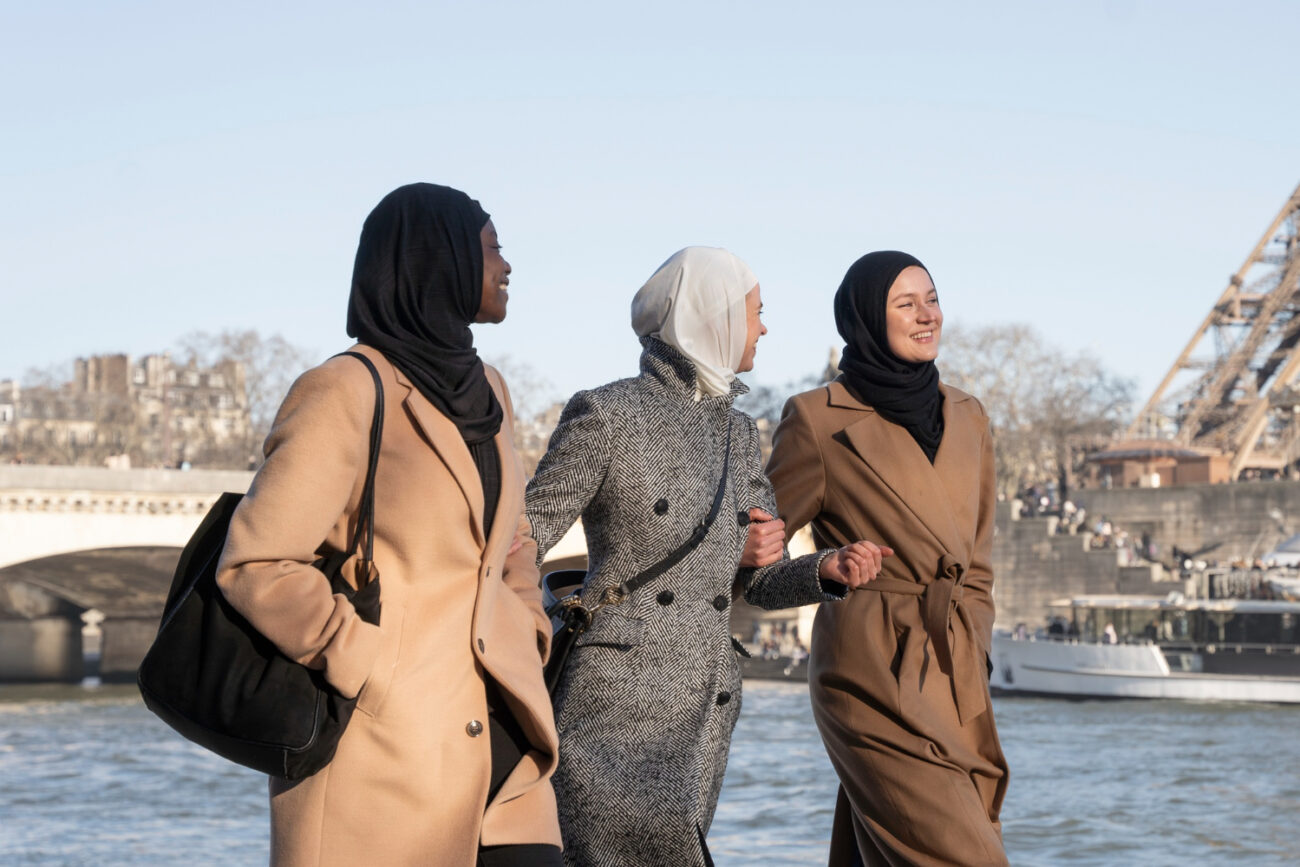
The abaya has long been a symbol of modesty, elegance, and cultural identity in many parts of the world. Over time, it has transformed from a traditional garment into a sophisticated fashion statement embraced by women globally. Today, designers are redefining modest wear with innovative fabrics, cuts, and embellishments that blend tradition with modern aesthetics. In this evolving landscape, the concept of a luxury abaya has emerged, representing high-quality craftsmanship, premium fabrics, and contemporary design.
Modern women seek clothing that reflects both their cultural values and personal style. As a result, the luxury abaya has gained significant attention in the global modest fashion industry. From minimalistic everyday designs to intricately embroidered evening pieces, these garments offer versatility while maintaining modesty. This shift has encouraged designers and fashion houses to invest more creativity and resources into abaya collections, making them a prominent part of the international fashion scene.
The Cultural Significance of the Abaya
Historically, the abaya originated in the Middle East as a loose-fitting cloak worn over clothing to ensure modesty. Traditionally black and simple in design, it was valued for its practicality and cultural importance. However, as fashion trends evolved, so did the abaya.
Today, abayas are available in a wide range of colors, materials, and styles. While the garment continues to represent modest fashion, it also reflects the individuality and creativity of the wearer. Cultural traditions remain at the core of the abaya, but modern interpretations allow women to express their personalities through unique designs.
Abayas as a Fashion Statement
In recent years, the abaya has transitioned from a purely functional garment into a major fashion statement. Fashion designers across the Middle East, Europe, and Asia have embraced the challenge of reinventing this traditional attire. Runways and fashion shows now frequently feature abaya collections that incorporate modern silhouettes, luxurious fabrics, and innovative embellishments.
Designers experiment with materials such as silk, chiffon, crepe, and satin to create garments that are both comfortable and stylish. Embroidery, beadwork, lace details, and subtle prints add an element of sophistication to modern abayas. These creative touches elevate the garment, allowing it to be worn for formal occasions, professional settings, and casual outings alike.
The versatility of abayas has made them popular among women of different cultures and backgrounds. They can be styled with belts, scarves, handbags, and footwear to create a variety of looks suitable for different occasions.
The Influence of Lifestyle Trends
Lifestyle changes have played a major role in shaping the evolution of abaya fashion. Women today are more active in professional, social, and creative fields, and their clothing needs to reflect that dynamic lifestyle.
Modern abayas are designed with practicality in mind. Lightweight fabrics provide comfort for long days, while breathable materials make them suitable for various climates. Some designs include pockets, adjustable sleeves, and open-front styles that allow for easy layering.
Fashion-conscious women often coordinate their abayas with accessories, handbags, and footwear to create a polished appearance. This integration of fashion and lifestyle has contributed to the growing demand for stylish yet functional abayas.
The Global Expansion of Abaya Fashion
The modest fashion industry has expanded significantly in the past decade, with abayas becoming a key element of this growth. Online platforms and global shipping have made it easier for women around the world to access diverse designs and brands.
One example of this expansion is the increasing demand for abaya online usa, where modest fashion consumers seek high-quality designs that reflect both traditional values and contemporary style. The digital marketplace allows designers to reach international audiences while offering customers a wider variety of options.
Global exposure has also encouraged collaboration between designers from different cultures. These collaborations often produce innovative designs that merge traditional craftsmanship with modern fashion trends.
Fabrics and Craftsmanship in Modern Abayas
One of the most important aspects of an abaya’s quality is the fabric used in its construction. Premium materials not only enhance the appearance of the garment but also ensure durability and comfort.
Common fabrics used in modern abayas include:
- Crepe: Known for its smooth texture and elegant drape.
- Chiffon: Lightweight and perfect for layered designs.
- Nidha fabric: Popular for its soft feel and breathable quality.
- Silk blends: Ideal for formal and luxury styles.
In addition to fabric selection, craftsmanship plays a crucial role in creating high-quality abayas. Skilled artisans carefully apply embroidery, beadwork, and stitching techniques that add unique details to each piece. These elements often distinguish designer abayas from mass-produced garments.
Styling Abayas for Different Occasions
One of the reasons for the growing popularity of abayas is their versatility. With the right styling, a single abaya can suit multiple occasions.
Casual Wear:
Simple designs made with lightweight fabrics are perfect for daily activities. Pairing them with comfortable shoes and minimal accessories creates a relaxed yet elegant look.
Professional Settings:
Structured abayas in neutral colors such as beige, navy, or charcoal offer a polished appearance suitable for work environments.
Evening Events:
Abayas with intricate embroidery, sequins, or luxurious fabrics can be styled with statement accessories and heels to create an elegant evening outfit.
This flexibility allows women to maintain modesty while adapting their wardrobe to various social and professional settings.
Sustainability in Abaya Fashion
As sustainability becomes an important consideration in the fashion industry, many abaya designers are adopting eco-friendly practices. Ethical sourcing of fabrics, responsible production methods, and reduced waste are becoming priorities for modern brands.
Some designers focus on creating timeless pieces that can be worn for many years, encouraging consumers to invest in quality rather than quantity. This approach not only benefits the environment but also enhances the value of each garment.
The Future of Abaya Fashion
The future of abaya fashion looks promising as designers continue to push creative boundaries. Technology, global collaboration, and changing consumer preferences will likely shape the next phase of innovation in modest fashion.
Digital fashion platforms, virtual styling tools, and personalized design services may become more common in the coming years. These advancements will allow customers to explore new styles and customize garments according to their preferences.
At the same time, cultural heritage will remain a central element of abaya design. The balance between tradition and innovation will continue to define the evolution of this iconic garment.
Conclusion
The abaya has undergone a remarkable transformation from a traditional modest garment into a globally recognized fashion piece. Modern designs reflect a combination of cultural heritage, creativity, and evolving lifestyle needs. From luxurious fabrics and detailed craftsmanship to versatile styling options, abayas offer women a unique blend of elegance and practicality.
As the modest fashion industry continues to grow, the abaya will remain a symbol of identity, style, and innovation. With designers embracing new ideas and technologies, the garment is poised to maintain its relevance and influence in the world of fashion for years to come.
