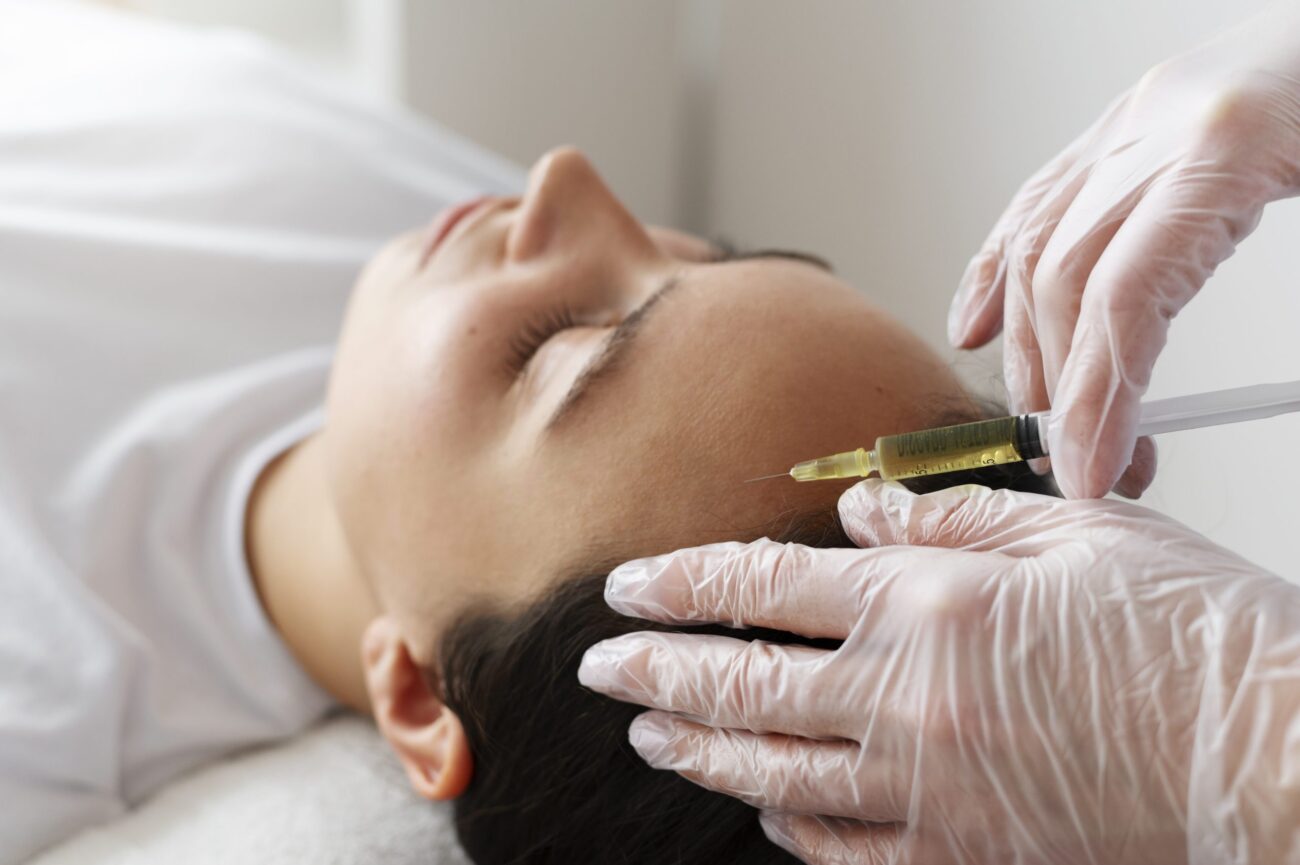
The quest for a fuller head of hair often leads individuals to explore regenerative medicine. Among the most discussed innovations is Platelet-Rich Plasma therapy. This biological approach focuses on utilizing the body’s own healing potential to address thinning and shedding. For those seeking PRP Hair Treatment in Abu Dhabi, understanding the mechanism of action is the first step toward realistic expectations.
- PRP therapy is a regenerative process using autologous blood components.
- The treatment focuses on stimulating dormant follicles rather than just covering loss.
- It serves as a natural alternative to more invasive hair restoration methods.
Understanding the Science of Platelet-Rich Plasma
Platelet-Rich Plasma is a concentrated source of autologous platelets. These platelets are not just for clotting; they are reservoirs of bioactive proteins and growth factors. When these factors are introduced into the scalp, they interact with the hair follicle cells, specifically the bulge area where stem cells reside.
- Platelets contain growth factors like VEGF (Vascular Endothelial Growth Factor).
- These proteins signal cells to repair tissue and increase blood flow.
- The concentration of platelets in PRP is significantly higher than in regular blood.
The Role of Growth Factors in Follicle Health
Growth factors play a pivotal role in the “Anagen” or growth phase of the hair cycle. By extending this phase, PRP helps hair stay in the scalp longer and grow thicker. This biological signaling can reverse the miniaturization of follicles, which is the primary cause of thinning in pattern baldness.
- PDGF (Platelet-Derived Growth Factor) stimulates cell replication.
- TGF-beta helps regulate the hair cycle and follicle development.
- The treatment effectively “wakes up” follicles that have become inactive.
The Procedure: From Blood Draw to Scalp Stimulation
The process is systematic and relies on precision. It begins with a simple blood draw, similar to a routine medical check-up. The blood is then placed in a specialized centrifuge that spins at high speeds to separate the plasma from the red blood cells.
- Centrifugation isolates the “liquid gold”—the platelet-rich layer.
- The scalp is prepared using specialized techniques to ensure comfort.
- Highly concentrated plasma is then delivered to the areas of thinning.
Precise Delivery Techniques
The method of delivery is just as important as the quality of the plasma. By targeting the specific depth where the follicle roots are located, the growth factors are placed exactly where they can do the most good. This direct stimulation ensures that the nutrients reach the vascular system surrounding the hair bulb.
- Injections are administered at a specific depth for maximum absorption.
- The procedure is quick, usually taking less than an hour.
- Minimal downtime allows individuals to resume their daily routines immediately.
Does PRP Actually Stop Hair Loss?
The short answer is that while PRP is highly effective at slowing down shedding and thickening existing hair, it is often characterized as a management tool rather than a permanent “cure.” It works by improving the environment of the scalp and strengthening the hair roots.
- Clinical studies show a significant reduction in hair shedding after 2–3 sessions.
- It increases the hair shaft diameter, making the hair appear denser.
- Consistency is key to maintaining the “holding” effect on the hair cycle.
Effectiveness in Different Types of Alopecia
PRP is most effective for Androgenetic Alopecia (male and female pattern baldness) and Telogen Effluvium (temporary shedding due to stress or health changes). It works best when the follicles are still present but producing thin, wispy hairs.
- Ideal for early to moderate stages of hair thinning.
- Less effective for areas where the scalp is completely smooth and follicles are gone.
- Can be used as a preventive measure for those with a family history of loss.
What to Expect: Timeline and Results
Patience is a virtue when it comes to biological treatments. Since the therapy relies on the body’s natural hair growth cycle, results are not instantaneous. Most people begin to see changes in the quality and texture of their hair before they see significant new growth.
- Month 1–2: A noticeable decrease in the amount of hair found in brushes or showers.
- Month 3–4: Early signs of thickening and improved scalp coverage.
- Month 6+: Peak results where the hair feels fuller and more resilient.
The Importance of Maintenance
Because the genetic or hormonal factors causing hair loss remain in the body, the stimulation provided by PRP needs to be reinforced. A single session is rarely enough to provide long-lasting change.
- Most initial protocols require 3 to 4 sessions spaced one month apart.
- Maintenance sessions are typically recommended every 6 to 12 months.
- Regular upkeep ensures the follicles remain in the active growth phase.
Who is the Ideal Candidate?
Not everyone is a perfect fit for this treatment. Success depends largely on the current state of the hair follicles and the underlying cause of the thinning. A thorough evaluation of the scalp is necessary to determine if the follicles are still “viable” for stimulation.
- Individuals with recent hair thinning respond better than those with long-term baldness.
- Those in good general health with healthy platelet counts see the best results.
- Nonsmokers often have better outcomes due to improved blood oxygenation.
Factors That Influence Success
Several lifestyle and biological factors can impact how well the body responds to the growth factor injections. Maintaining a balanced diet and managing stress levels can create a more hospitable environment for the hair to thrive.
- Nutritional status, particularly iron and vitamin D levels, affects growth.
- Hydration levels influence the quality of the plasma collected.
- Combining the treatment with other hair-friendly habits can amplify results.
Comparison with Other Hair Restoration Methods
When compared to topical solutions or daily medications, many prefer this approach because it is “natural.” It uses the patient’s own biological material, eliminating the need for daily applications that can be messy or difficult to maintain.
- Unlike topical solutions, it doesn’t require daily application.
- It is less invasive than surgical hair transplants.
- It can be used in conjunction with other therapies to maximize density.
Synergy with Hair Transplants
For those who do opt for surgical restoration, PRP is often used as a complementary treatment. It can help the scalp heal faster and provide the newly transplanted grafts with the nutrients they need to take root and grow successfully.
- Supports the survival of newly implanted hair follicles.
- Reduces the recovery time post-surgery.
- Enhances the overall density of the transplanted area.
FAQs About Hair Regeneration
Is the treatment suitable for both men and women?
Yes, it is highly effective for both genders. While the patterns of thinning differ—men usually experience receding lines and crown thinning, while women experience diffuse thinning at the part—the biological response of the follicles to growth factors is the same.
How long do the effects of the treatment last?
While results vary, most individuals enjoy the benefits for 12 to 18 months. Without maintenance sessions, the hair may eventually return to its previous shedding pattern as the underlying causes of hair loss continue to progress.
Can I wash my hair after the session?
It is generally recommended to wait at least 24 hours before washing your hair or using any harsh chemical products. This allows the scalp to settle and ensures the injection sites remain clean.
Are there any specific requirements before the blood draw?
Staying well-hydrated is the most important preparation. Drinking plenty of water in the 24 hours leading up to the appointment ensures a better volume of plasma can be collected during the centrifugation process.
Shirt Club Houston: Your Ultimate Guide to Premium Shirt Subscriptions
A Complete Guide To Finding the Most Elegant Engagement Rings for Women
Choosing Mobile Security Patrol Glendale CA – 24-7 Property Guide
Bridal Rings: A Complete Guide to Finding the Perfect Symbol of Love
Electrolysis Laser hair removal treatment in dubai: Summer vs Winter Treatments
