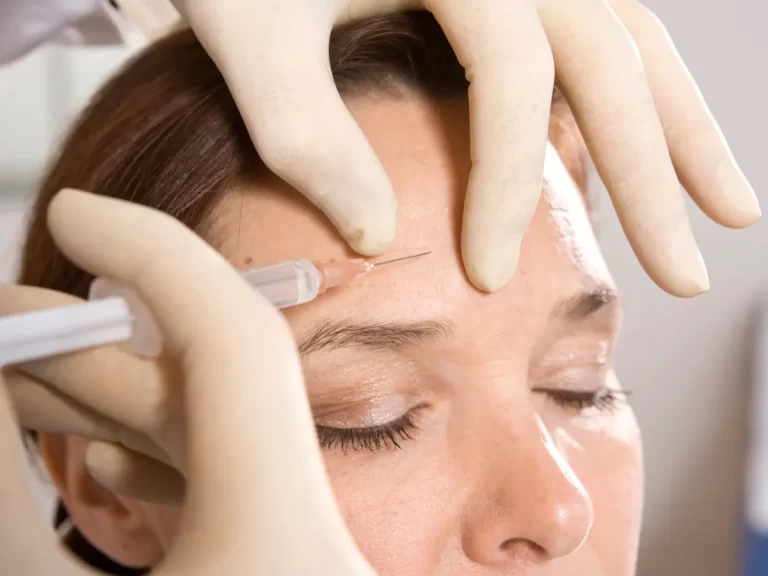
Understanding Facial Palsy and Its Impact
Facial palsy is a condition that affects the movement of facial muscles due to damage or disruption of the facial nerve. This nerve controls expressions such as smiling, blinking, and frowning. When the nerve does not function properly, it can lead to weakness or paralysis on one side of the face. Individuals experiencing this condition may notice drooping features, difficulty closing the eye, and challenges with speech or eating. In modern medical aesthetics, Botox for facial palsy in Abu Dhabi is increasingly considered as a supportive treatment to help improve muscle balance and restore facial symmetry.
Beyond the physical symptoms, facial palsy can influence emotional well-being and confidence. Facial expressions are essential for communication and social interaction. When these expressions become limited or uneven, individuals may feel self-conscious or frustrated. In modern medical aesthetics and neuromuscular therapy, innovative solutions are being developed to help restore facial balance and improve quality of life.
In Abu Dhabi, advanced treatment approaches have increasingly focused on the use of botulinum toxin therapies to manage facial asymmetry and muscle imbalance caused by facial palsy. These treatments aim to improve facial harmony while supporting functional recovery.
The Role of Botox in Facial Palsy Management
Botulinum toxin, commonly referred to as Botox, is widely known for its cosmetic uses. However, it also plays an important role in therapeutic treatments for various neurological and muscular conditions. In cases of facial palsy, Botox can be used to relax specific muscles that may be overactive due to nerve damage or compensation from other facial muscles.
When facial palsy occurs, some muscles may weaken while others become overly active in an attempt to compensate. This imbalance can lead to uneven facial movement and involuntary contractions. Botox helps by temporarily relaxing selected muscles, allowing the face to regain a more symmetrical appearance.
Medical professionals carefully assess facial muscle activity before applying this treatment. The goal is not to freeze the face but to restore balance between muscle groups so expressions appear more natural and coordinated.
Innovative Techniques in Botox Therapy
Modern approaches to Botox therapy for facial palsy involve advanced injection techniques and individualized treatment planning. Each person experiences facial palsy differently, so personalized strategies are essential.
One innovative technique involves targeted micro-dosing. In this method, very small amounts of botulinum toxin are injected into precise areas of the face. This allows for subtle adjustments that improve symmetry without affecting overall expression.
Another development is the integration of facial mapping technology. By studying the movement patterns of facial muscles, specialists can determine which muscles require relaxation and which should remain active. This detailed assessment enhances treatment accuracy and helps achieve balanced results.
In addition, practitioners may focus on dynamic facial correction. Rather than addressing the face at rest, they analyze how it moves during speech, smiling, and blinking. This approach ensures that improvements look natural in everyday interactions.
Restoring Facial Balance and Expression
One of the primary goals of Botox therapy in facial palsy treatment is restoring facial balance. When muscles on one side of the face behave differently from those on the other side, asymmetry becomes noticeable. Carefully placed Botox injections can reduce excessive muscle activity and create a more harmonious appearance.
Improving symmetry often leads to enhanced facial expressions. Patients may find it easier to smile evenly, blink comfortably, and speak more clearly. These improvements can contribute to better communication and greater confidence in social situations.
Another benefit of this treatment approach is its adaptability. Adjustments can be made over time as muscle activity changes or nerve function evolves. This flexibility allows specialists to refine results and maintain facial balance throughout the recovery process.
Enhancing Functional Movement
While facial aesthetics are important, Botox therapy also focuses on improving functional movement. Facial palsy can interfere with daily activities such as blinking, speaking, and chewing. By relaxing overactive muscles, Botox can help reduce strain and encourage smoother coordination between muscle groups.
For example, some individuals with facial palsy experience involuntary muscle contractions when attempting certain expressions. This phenomenon, often referred to as synkinesis, occurs when nerve signals become misdirected during recovery. Targeted Botox therapy can help manage these unwanted movements, allowing for more controlled facial actions.
Improved muscle coordination may also support clearer speech and easier facial mobility, which can make everyday communication more comfortable.
Psychological and Social Benefits
The effects of facial palsy extend beyond physical symptoms. Many individuals experience emotional challenges due to changes in their appearance and facial expressions. Feeling unable to convey emotions clearly can lead to reduced self-confidence.
Innovative Botox solutions can help address these concerns by restoring a more balanced facial appearance. When individuals see improvement in their expressions, they often feel more comfortable engaging in social activities and conversations.
This psychological boost can play an important role in overall well-being. The ability to smile naturally or maintain eye contact can strengthen interpersonal connections and improve self-esteem.
Advancements in Personalized Treatment Approaches
Modern facial palsy management emphasizes personalized care. Rather than applying a standard treatment plan, specialists evaluate each patient’s facial structure, nerve function, and muscle behavior.
Advanced diagnostic techniques allow practitioners to observe how different muscles interact during facial expressions. These insights help determine the most effective placement of Botox injections.
Additionally, ongoing research continues to refine treatment protocols. As understanding of facial nerve recovery and muscle dynamics improves, Botox therapy is becoming more precise and adaptable. This progress contributes to more natural-looking outcomes and better functional improvements for individuals living with facial palsy.
A Modern Approach to Facial Rehabilitation
The integration of Botox therapy into facial rehabilitation represents a significant step forward in managing facial palsy. By addressing muscle imbalance and supporting coordinated movement, this approach offers both functional and aesthetic benefits.
Patients receiving these treatments often participate in broader rehabilitation strategies that focus on facial awareness and muscle control. When combined with modern therapeutic methods, Botox can play a valuable role in helping individuals regain confidence in their facial expressions.
As medical innovation continues to evolve, the use of Botox in facial palsy management is becoming an increasingly refined and effective solution.
FAQs
What is facial palsy?
Facial palsy is a condition that occurs when the facial nerve becomes damaged or disrupted, leading to weakness or paralysis of facial muscles. This can affect expressions, blinking, and speech.
How does Botox help in facial palsy treatment?
Botox works by relaxing specific facial muscles that may be overactive or causing imbalance. This helps improve facial symmetry and supports more natural expressions.
Is Botox used only for cosmetic purposes?
No, Botox is widely used in medical treatments for various conditions involving muscle activity and nerve signals. In facial palsy management, it helps correct muscle imbalance and improve facial movement.
How long do the results typically last?
The effects of Botox therapy are temporary and gradually fade over time. Follow-up treatments may be recommended to maintain balanced facial movement and appearance.
Can Botox improve facial expressions after nerve damage?
Yes, targeted Botox injections can help manage muscle overactivity and reduce involuntary movements. This may lead to smoother and more coordinated facial expressions.
Is Botox therapy suitable for all facial palsy cases?
Suitability depends on individual muscle activity and the nature of the nerve condition. A thorough assessment is usually required to determine whether Botox therapy is an appropriate option.
Does Botox help with involuntary facial movements?
Yes, Botox is often used to reduce involuntary muscle contractions that can occur during facial nerve recovery. By relaxing specific muscles, it can help improve control over facial movements.
Pool Heater Maintenance Tips to Prevent Expensive Repairs
Why Hiring a Construction SEO Agency Matters for Modern Construction Businesses
IB Academy in Mulund: The Right Path for International Education Success
Why Should You Hire a Squarespace Development Company for Your Business Website?
Why Reliable Jail Phone Access Is Important for Inmate Calling
