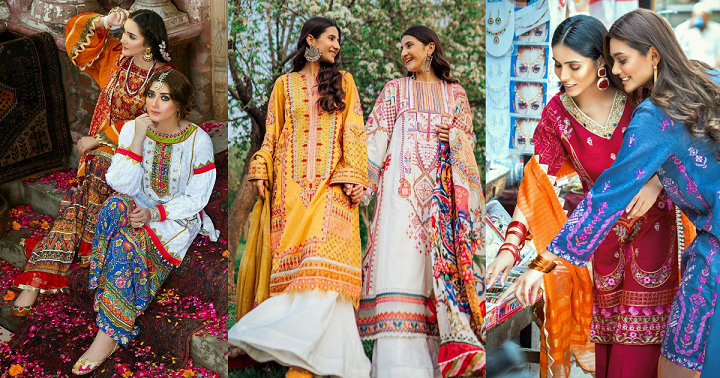
Pakistani fashion is more than a passing trend—it’s a global style statement that reflects how culture, craftsmanship, and identity travel across borders, with Pakistani suits being the prime example. As you navigate modern fashion, you’ve likely noticed silhouettes that feel timeless yet adaptable: flowing kameez, structured tailoring, intricate embroidery, and luxurious fabrics that balance tradition with modern lifestyles. This appeal isn’t accidental. It’s the result of generations of design evolution rooted in South Asian heritage, now finding a strong and confident presence in the USA.
In a globalized world where fashion speaks louder than words, Pakistani suits allow you to express individuality while staying deeply connected to cultural roots. This style resonates not only with the Pakistani diaspora but also with a growing international audience that values craftsmanship, versatility, and meaning in what they wear.
Why Pakistani Suits Hold a Unique Place in Fashion?
Pakistani suits reflect a design philosophy rooted in ease, elegance, and cultural heritage. Unlike many traditional outfits that rely on heavy structure or rigid layering, Pakistani suits prioritize fluid silhouettes and natural movement, allowing the wearer to feel both comfortable and refined. The harmony between a well-cut kameez, thoughtfully styled trousers, and a softly draped dupatta creates a look that feels effortless yet impeccably polished.
What truly sets these ensembles apart is their versatility and depth. Pakistani suits transition seamlessly from everyday wear to formal occasions through changes in fabric, embroidery, and detailing rather than dramatic alterations in silhouette. At the heart of this adaptability lies craftsmanship—delicate hand embroidery, intricate embellishment techniques, and artisanal finishing methods passed down through generations. This ability to evolve with modern tastes while remaining deeply connected to tradition gives Pakistani suits a timeless quality, securing their unique place in both regional and global fashion landscapes.
The Evolution of Pakistani Suits Over the Years
The journey of Pakistani suits began with functionality and modest elegance. Early designs emphasized comfort, loose silhouettes, and breathable fabrics suitable for daily life and climate. Over time, these foundations evolved into a sophisticated fashion category.
As global exposure increased, designers refined tailoring, introduced structured elements, and experimented with silhouettes while preserving traditional aesthetics. This evolution led to the wide variety you see today—from straight-cut suits and long flowing kameez to contemporary interpretations designed for festive and formal wear.
Today, the evolution continues rapidly. Social media, digital fashion platforms, and international e-commerce have enabled Pakistani suits to reach audiences in the USA almost instantly. As you look ahead, this category continues to adapt while preserving its cultural essence.
Key Features That Define Pakistani Suits
Several defining characteristics explain the enduring appeal of Pakistani suits.
- Craftsmanship and Embellishment
Techniques such as zari, zardozi, adda work, thread embroidery, mirror work, and hand embellishment remain central. These details elevate each outfit, transforming it into a piece of wearable art.
- Refined Silhouettes
Pakistani suits are known for their balanced proportions—neither overly fitted nor excessively loose—creating elegance through simplicity and flow.
- Versatility Across Occasions
From casual wear to weddings and formal gatherings, Pakistani suits adapt effortlessly through fabric choice, embroidery, and styling.
Why Pakistani Suits Resonate in the USA
The USA thrives on cultural diversity, and Pakistani suits fit seamlessly into this environment. You’re living in a society where cultural expression through fashion is celebrated. These outfits appeal strongly to the Pakistani diaspora and second-generation South Asians who seek to honor tradition without feeling disconnected from modern life.
At the same time, non-South Asian audiences are drawn to Pakistani suits for their elegance, craftsmanship, and uniqueness—offering an alternative to mass-produced fashion.
Comfort, versatility, and individuality play a major role here. Pakistani suits allow you to transition effortlessly between cultural events, formal occasions, and festive celebrations where personal style matters as much as heritage.
The Influence of the Pakistani Diaspora in America
Pakistani communities across the USA significantly influence fashion demand. As weddings become larger, multi-day celebrations and cultural gatherings grow in prominence, the need for refined yet authentic attire continues to rise.
You’ll notice Pakistani suits dominating wedding events, festive dinners, religious celebrations, and semi-formal occasions. There is also a growing preference for custom-made and luxury outfits that reflect personal identity rather than generic designs. This demand has encouraged designers to create tailored, high-quality pieces that combine emotional value with contemporary elegance.
Pakistani Suits and Lehengas in Pop Culture and Global Fashion
Global visibility has played a major role in elevating Pakistani fashion. Celebrities, influencers, and designers showcasing embroidered suits, flowing dupattas, and bridal lehengas have helped position these outfits as elegant and globally relevant.
Fashion editorials, digital platforms, and social media continue to highlight Pakistani attire as symbols of cultural richness and modern sophistication, inspiring audiences worldwide.
Modern Silhouettes Driving the Trend
In the USA, modern interpretations of Pakistani suits focus on clean lines, subtle embellishment, and refined tailoring. Straight-cut suits, long kameez with minimal embroidery, statement dupattas, and coordinated sets dominate wardrobes.
The emphasis has shifted from excess to refinement. You’re investing in pieces that feel luxurious, timeless, and wearable rather than overly ornate.
Fabrics, Craftsmanship, and Sustainability
Natural fabrics such as lawn, cotton, silk blends, chiffon, net, and organza form the backbone of Pakistani fashion. Handcrafted techniques like block printing, hand embroidery, and artisanal finishing add authenticity and depth.
As conscious fashion gains importance, Pakistani suits and lehengas naturally align with sustainability through craftsmanship-driven production, long-lasting design, and ethical practices.
Stunning Pakistani Lehengas for Modern Celebrations
Pakistani lehengas have redefined festive and bridal fashion with their signature elegance and craftsmanship. While traditional Pakistani lehengas are known for rich embroidery and regal silhouettes, modern interpretations introduce lighter fabrics, refined detailing, and contemporary blouse designs.
You’ll notice features such as cape-style dupattas, structured cholis, elongated silhouettes, and thoughtfully placed embroidery that feels luxurious yet balanced. These lehengas are ideal for weddings, receptions, and formal celebrations where you want to look graceful without feeling overwhelmed by heavy layers.
The beauty of Pakistani lehengas lies in personalization. You can style them traditionally with classic jewelry and dupattas or give them a modern edge through minimalist accessories, statement heels, or contemporary draping.
Styling Pakistani Suits and Lehengas for a Western Wardrobe
Styling Pakistani outfits is all about balance. Pair suits and lehengas with modern heels, minimalist jewelry, or structured outerwear to adapt them to Western settings. Mixing traditional elements with contemporary accessories allows you to create a look that feels personal yet culturally grounded.
Pakistani Fashion in the Luxury Market
Pakistani suits and lehengas have firmly established themselves in the luxury segment. Limited-edition collections, bespoke tailoring, and premium craftsmanship define this space. Modern luxury values meaning, artistry, and longevity—and Pakistani fashion embodies all three, making these outfits investment-worthy rather than trend-driven.
Digital Platforms and the Future Ahead
E-commerce, social media, and virtual styling experiences have enabled designers and brands to reach you directly from Pakistan to the USA. As digital access expands, Pakistani suits and lehengas continue to evolve, becoming part of everyday and occasion wear while remaining deeply rooted in tradition.
A Cultural Statement Beyond Borders
Pakistani suits and lehengas are symbols of modern heritage. They allow you to celebrate who you are—globally connected, culturally grounded, and confidently individual. As this style continues to shape global fashion narratives, one thing is clear: Pakistani fashion isn’t just relevant today—it’s timeless, adaptable, and here to stay.
FAQs:
- How have Pakistani suits influenced international fashion trends?
They’ve introduced refined tailoring, elegant silhouettes, and intricate embroidery now admired worldwide. - Why are Pakistani suits and lehengas popular in the USA?
Their versatility, craftsmanship, and cultural depth resonate strongly with multicultural audiences. - Can Pakistani lehengas be worn for modern weddings?
Yes, modern Pakistani lehengas are widely chosen for weddings, receptions, and destination celebrations. - Are Pakistani outfits sustainable?
Many designers emphasize ethical craftsmanship, natural fabrics, and timeless designs, supporting sustainability. - Will Pakistani fashion remain relevant in the future?
Absolutely. As fashion moves toward authenticity and cultural storytelling, Pakistani fashion will continue to grow.
