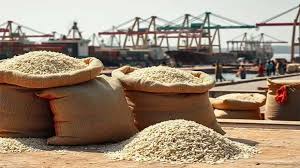
Basmati rice is one of Pakistan’s most valuable agricultural products, cherished both locally and internationally for its aromatic fragrance, long grains, and delicate taste. However, there is a notable difference between the basmati rice in Pakistan produced for export and that sold in the local market. Safeena Food, a trusted name in premium rice, ensures top-quality grains for both markets. In this guide, we’ll break down these differences and explain why export-quality rice stands out.
Understanding Export-Quality Basmati Rice in Pakistan
Export-quality basmati rice is grown and processed with international standards in mind. Basmati rice in Pakistan destined for foreign markets must meet strict criteria:
- Extra-long, uniform grains
- Low moisture content for long shelf life
- Free from broken grains and impurities
- Certified for hygiene and quality
Safeena Food ensures every grain meets these standards, providing international buyers with rice that is aromatic, fluffy, and consistent in quality. Export-quality rice is typically preferred for high-end restaurants, large-scale buyers, and global distributors.
Basmati Rice in Pakistan for the Local Market
Rice sold locally in Pakistan is usually produced for daily consumption. While it is still delicious and aromatic, the requirements differ from export standards:
- Grains may vary slightly in size
- Moisture content can be slightly higher
- Packaging focuses on affordability rather than long-term storage
Safeena Food offers premium basmati rice for the local market as well, ensuring freshness and taste while keeping it accessible for everyday meals. Local consumers enjoy flavorful rice suitable for biryani, pulao, and family dinners.
Key Differences Between Export and Local Basmati Rice
The main differences between export-quality basmati rice in Pakistan and local-market rice include:
- Grain Length: Export rice usually has longer, uniform grains.
- Aroma and Flavor: Export rice undergoes strict processing to preserve maximum fragrance.
- Packaging: Export rice is packed in airtight, branded bags, whereas local rice may use simple packaging.
- Quality Control: Export rice is inspected multiple times, while local rice has standard checks.
By understanding these differences, buyers can choose the rice that best suits their needs. Safeena Food ensures that both export and local rice maintain the signature aroma and quality Pakistan is famous for.
Tips for Cooking Export vs Local Basmati Rice
Cooking basmati rice properly enhances its aroma and texture, regardless of whether it’s for export or local use:
- Rinse Thoroughly: Wash rice 2–3 times to remove extra starch.
- Soak: Soak for 30–45 minutes for fluffy, long grains.
- Water Ratio: Use 1 cup rice to 1.5 cups water for perfect consistency.
- Low Heat Cooking: Cook slowly to retain aroma.
- Fluff After Cooking: Let rice rest before serving to separate grains.
Safeena Food rice, both for export and local consumption, is easy to cook and consistently delivers excellent results.
Why Choose Safeena Food for Basmati Rice in Pakistan
Selecting the right brand ensures quality and reliability. Safeena Food stands out among suppliers of basmati rice in Pakistan because:
- Grains are sourced from the best regions for aroma and texture
- Advanced packaging maintains freshness for export and local markets
- Quality checks ensure minimal broken grains and maximum flavor
- Trusted by households and international buyers alike
Whether for local consumption or global export, Safeena Food guarantees rice that meets your culinary expectations.
Ai in Law: Transforming the Legal Landscape
Chemical Peel vs Microdermabrasion According to the Best Doctors in Dubai
Jawline Filler Injections for a More Contoured Face
Rice Exporter in Pakistan: Export Tips for Small and Medium Businesses
Why Botox with Best Doctors in Dubai Is a Popular Anti-Aging Solution
