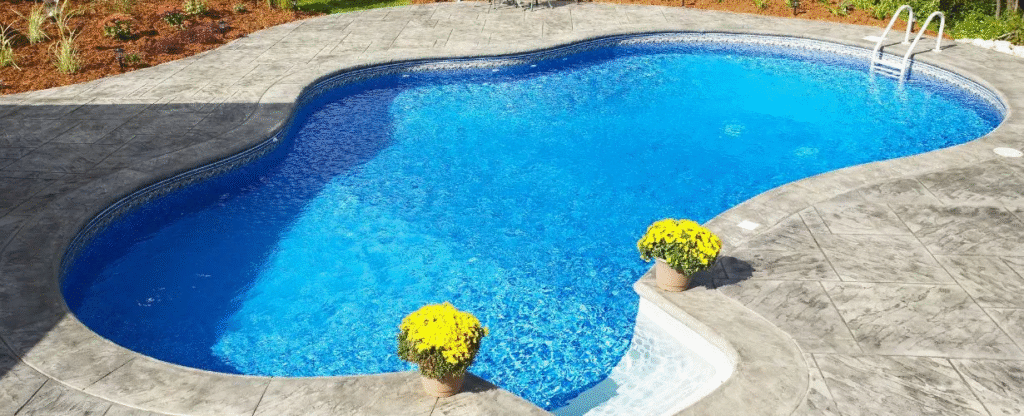
Owning a swimming pool is a dream for many homeowners, offering a private retreat for relaxation, exercise, and family fun. However, over time, even the most well-maintained pool can start showing signs of wear and tear. Fading, cracks, rough textures, and leaks are common issues that can compromise the appearance and functionality of your pool. This is where pool resurfacing comes into play. Understanding what pool resurfacing is, the materials involved, and the benefits it offers can help homeowners make informed decisions to maintain a beautiful and safe swimming space.
What Is Pool Resurfacing?
Pool resurfacing is the process of renewing the interior surface of your swimming pool. Over time, pool surfaces can deteriorate due to constant exposure to water, chemicals, UV rays, and natural wear and tear. Resurfacing addresses these issues by removing the old, damaged surface and applying a new layer that restores the pool’s appearance and functionality.
This process not only improves aesthetics but also strengthens the pool structure, prevents leaks, and enhances safety. Pools that are rough, chipped, or stained can become uncomfortable and potentially hazardous, making resurfacing a vital aspect of pool maintenance.
Signs Your Pool Needs Resurfacing
Recognizing the signs that your pool requires resurfacing can help prevent more serious issues down the line. Common indications include:
- Cracks or Chips: Even small cracks can expand over time, leading to leaks or structural damage.
- Staining or Discoloration: Mineral buildup, chemical reactions, and sun exposure can cause persistent stains that cleaning alone cannot fix.
- Rough Texture: Pool surfaces can become rough or abrasive, making swimming uncomfortable.
- Leaking Water: If your pool consistently loses water, resurfacing may be necessary to seal cracks and prevent further leakage.
- Fading or Dull Appearance: Over time, tiles, plaster, or other surfaces can lose their vibrancy and aesthetic appeal.
Benefits of Pool Resurfacing
Resurfacing your pool offers several key benefits for homeowners:
- Enhanced Aesthetics: A new surface restores the pool’s original beauty, giving it a fresh, clean look.
- Increased Safety: Smooth surfaces prevent injuries caused by rough or sharp edges.
- Extended Lifespan: Resurfacing can significantly extend the life of your pool, delaying the need for costly replacements.
- Leak Prevention: Resurfacing seals minor cracks and prevents water loss, protecting the surrounding landscape.
- Improved Comfort: Smooth, modern materials enhance the swimming experience.
Popular Pool Surface Materials
Choosing the right pool surface material is crucial to ensure durability, appearance, and comfort. Here are some popular options:
- Plaster: Traditional and widely used, plaster provides a smooth finish. While cost-effective, it may require resurfacing every 7–10 years.
- Pebble Finish: Composed of small stones or aggregates, this surface is durable, slip-resistant, and visually appealing. It’s ideal for pools with heavy usage.
- Quartz Finish: A mixture of plaster and quartz, this option is highly durable, resists staining, and maintains its color longer than traditional plaster.
- Tiles: Ceramic or glass tiles offer a luxurious look and can be customized with patterns and colors. While long-lasting, they require professional installation.
- Fiberglass: Prefabricated fiberglass shells are smooth and resistant to algae, but installation involves replacing the entire pool surface rather than just resurfacing.
When selecting a surface, it’s important to consider factors such as budget, maintenance requirements, durability, and personal style. Many homeowners consult with professional pool builders in Wellington to determine the best choice for their property.
The Pool Resurfacing Process
The pool resurfacing process involves several steps, each essential for a high-quality finish:
- Drain the Pool: The pool is fully emptied to allow access to the surface.
- Surface Preparation: Old plaster, tiles, or other surfaces are chipped away, and cracks are repaired. The surface is cleaned thoroughly to remove debris, algae, and calcium buildup.
- Apply the New Surface: Depending on the chosen material, the new surface is applied using professional techniques to ensure even coverage and proper adhesion.
- Curing and Drying: Plaster, pebble, or quartz surfaces need time to cure. This step ensures the material hardens properly, providing a smooth and durable finish.
- Refill and Balance Water Chemistry: Once cured, the pool is refilled, and water chemistry is adjusted to prevent staining or scaling on the new surface.
Cost Considerations
The cost of pool resurfacing depends on factors such as pool size, surface material, and location. On average, homeowners can expect to invest in a quality resurfacing project to maintain their pool’s longevity and appeal. While resurfacing is an investment, it is often more cost-effective than a complete pool replacement.
- Plaster resurfacing: Generally the most affordable option.
- Pebble or quartz finish: Mid-range cost with enhanced durability.
- Tile resurfacing: Higher-end option with luxurious aesthetics.
Hiring experienced pool builders in Wellington ensures that the project is completed efficiently, safely, and to professional standards.
Maintenance Tips After Resurfacing
Proper care can extend the life of your newly resurfaced pool:
- Regular Cleaning: Skim debris, brush the surface, and vacuum weekly.
- Balanced Water Chemistry: Maintain proper pH, chlorine, and alkalinity levels to prevent surface damage.
- Avoid Harsh Chemicals: Strong acids or bleach can erode certain surfaces.
- Monitor for Cracks or Damage: Early detection allows for minor repairs before major resurfacing is required.
- Cover the Pool When Not in Use: Reduces debris accumulation and UV damage.
Choosing the Right Professionals
Pool resurfacing is a technical process that requires skill and experience. Selecting reputable pool builders in Wellington ensures that your project is completed on time, within budget, and with superior results. Professionals can provide guidance on the best pool surface material, installation techniques, and maintenance strategies tailored to your pool type.
Final Thoughts
Pool resurfacing is a crucial investment for homeowners who want to maintain the beauty, safety, and longevity of their swimming pools. By choosing the right pool surface material, hiring experienced pool builders in Wellington, and following proper maintenance practices, you can enjoy a smooth, durable, and visually stunning pool for years to come.
Whether your pool shows signs of aging, has surface damage, or you simply want to upgrade its appearance, resurfacing offers a practical solution that combines functionality with aesthetic appeal. Investing in quality materials and professional services ensures that your pool remains a centerpiece of your home—a place for relaxation, fun, and unforgettable memories.
