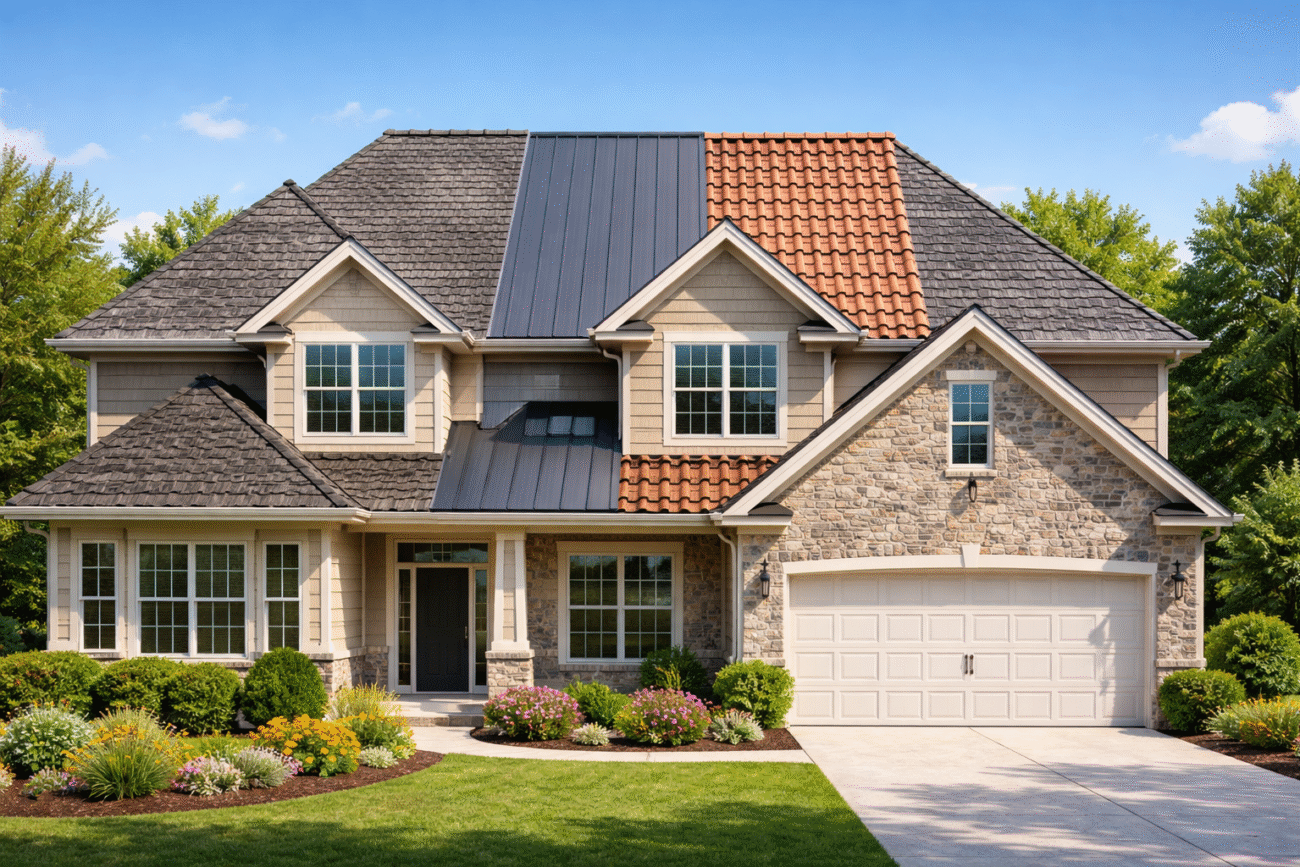
One of the most common questions homeowners ask is: “How long does a roof last?” The answer depends on several factors, including the type of roofing material, weather conditions, installation quality, and how well the roof is maintained over time. While roofs are designed to last many years, they do not last forever.
Understanding the lifespan of different roofing materials can help homeowners plan for maintenance, roof repair Guthrie and future replacement. In this guide, we will explore the average lifespan of various roof types, the factors that affect durability, and how you can extend the life of your roof.
Average Lifespan of Different Roofing Materials
Not all roofs last the same amount of time. The material used plays a major role in determining how long a roof will protect your home.
Asphalt Shingle Roof
Asphalt shingles are one of the most commonly used roofing materials in residential homes. They are affordable, easy to install, and widely available. On average, an asphalt shingle roof lasts 20 to 30 years depending on the quality of the shingles and local weather conditions.
Basic three-tab shingles usually last around 20 years, while architectural shingles can last closer to 30 years with proper maintenance.
Metal Roof
Metal roofs are known for their durability and long lifespan. A properly installed metal roof can last 40 to 70 years. Metal roofing materials are resistant to fire, strong winds, and heavy rain, which makes them a popular choice for homeowners looking for long-term protection.
Although metal roofs may cost more initially, their durability often makes them a worthwhile investment.
Clay Tile Roof
Clay tile roofs are commonly seen in warmer climates and Mediterranean-style homes. These roofs are extremely durable and can last 50 to 100 years if maintained properly.
Clay tiles are resistant to fire and harsh sunlight, but they can be fragile and may crack if walked on or hit by heavy debris.
Slate Roof
Slate is one of the longest-lasting roofing materials available. A well-installed slate roof can last 75 to 100 years or even longer. Because of its durability and natural appearance, slate roofing is often considered a premium option.
However, slate is also one of the most expensive roofing materials and requires professional installation.
Wood Shingle Roof
Wood shingles or shakes provide a natural and attractive appearance for many homes. With proper care, wood roofs typically last 25 to 35 years. However, they require regular maintenance and may be more vulnerable to moisture, insects, and fire in certain climates.
Factors That Affect Roof Lifespan
Even if roofing materials are designed to last decades, several factors can influence how long your roof actually lasts.
Weather Conditions
Climate plays a major role in roof durability. Homes that experience extreme weather conditions such as heavy rain, strong winds, hailstorms, or intense sunlight may see faster wear and tear on roofing materials.
Constant exposure to harsh weather can cause shingles to crack, loosen, or deteriorate more quickly.
Quality of Installation
A roof is only as good as its installation. Even the best roofing materials will not last long if they are installed incorrectly. Poor installation can lead to leaks, ventilation issues, and structural weaknesses.
Hiring experienced and reputable roofing professionals is essential to ensure the roof is installed properly.
Roof Ventilation
Proper ventilation helps regulate temperature and moisture in the attic. Without good ventilation, heat and moisture can build up under the roof, which can damage shingles and reduce the lifespan of roofing materials.
Good airflow helps keep the roof structure dry and prevents premature aging.
Maintenance and Inspections
Regular maintenance can significantly extend the life of a roof. Cleaning gutters, removing debris, repairing damaged shingles, and scheduling professional inspections can help prevent small problems from becoming major repairs.
Homeowners who regularly maintain their roofs often see them last longer than the average lifespan.
Roof Slope and Design
The design and slope of the roof can also influence durability. Steeper roofs allow water, snow, and debris to slide off more easily. Flat or low-slope roofs may experience water pooling, which can increase the risk of leaks and damage.
Signs Your Roof May Need Replacement
Even if your roof has not reached its expected lifespan, certain warning signs may indicate that it needs repair or replacement.
Common signs include:
- Frequent roof leaks
- Missing or broken shingles
- Curling or cracked shingles
- Dark streaks or moss growth
- Sagging areas on the roof
- Granules collecting in gutters
If you notice several of these issues, it may be time to consult a professional roofing contractor for a detailed inspection.
How to Extend the Life of Your Roof
While every roof eventually needs replacement, proper care can help it last as long as possible.
One of the best ways to extend roof lifespan is by performing regular inspections. Checking your roof twice a year helps identify small problems early. Cleaning gutters regularly prevents water buildup that can damage roofing materials.
Trimming nearby tree branches also reduces the risk of debris falling onto the roof during storms. Keeping your attic properly ventilated helps prevent heat and moisture damage.
Professional roof inspections are also recommended once a year, especially if your roof is older. Experts can identify hidden issues and recommend preventive maintenance.
When Should You Replace Your Roof?
Most homeowners begin considering roof replacement when their roof approaches the end of its expected lifespan. However, the timing can vary depending on roof condition and maintenance history.
If repairs become frequent or expensive, replacing the roof may be the more cost-effective option. A new roof not only improves safety but can also increase property value and energy efficiency.
Modern roofing materials are designed to be more durable and energy efficient, making replacement a long-term investment for homeowners.
Final Thoughts
The lifespan of a roof depends on several factors, including roofing materials, weather exposure, installation quality, and maintenance habits. While some roofs may last 20 years, others can protect homes for 50 years or more.
Understanding how long your roof is expected to last helps you plan ahead and avoid unexpected problems. Regular inspections, proper ventilation, and routine maintenance can significantly extend the life of your roof.
By taking care of your roof today, you can ensure it continues protecting your home and family for many years to come.
