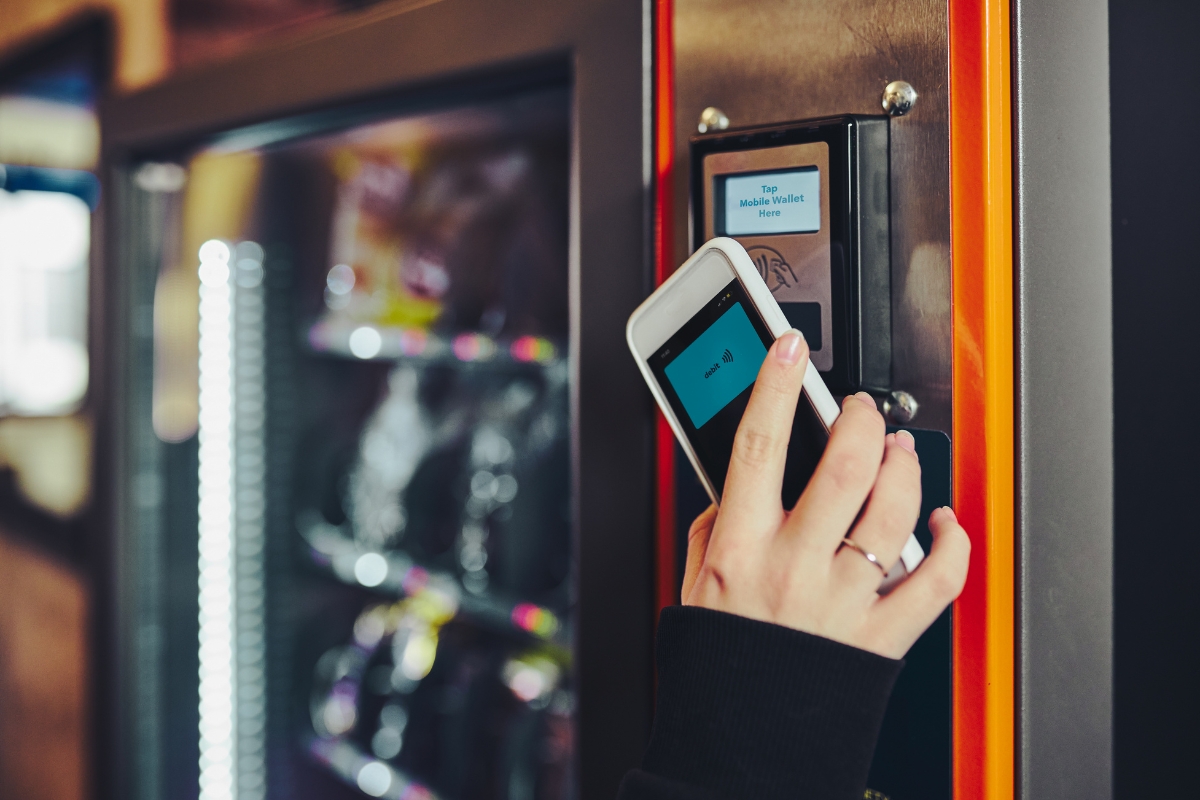
Workplace vending machines are a convenient solution for employees to get snacks, drinks, and small essentials without leaving the office. They save time, boost productivity, and make the workplace more comfortable. However, like any equipment, vending machines require attention. Proper monitoring and maintenance help keep them working smoothly, reduce downtime, and ensure employees always have access to their favorite products.
For businesses using workplace vending machines in Chicago, staying on top of maintenance is especially important to maintain reliability and keep employees happy.
Why Maintenance Matters
A vending machine is more than just a box that sells snacks. Regular maintenance keeps the machine running efficiently, protects hygiene, and avoids unnecessary costs. Machines that are neglected can break down, cause frustration, and even create safety risks.
In busy offices, a non-functioning vending machine can interrupt workflows. Well-maintained machines provide a better experience, keep employees satisfied, and save money by avoiding costly repairs.
Setting Up a Monitoring System
Monitoring is the first step toward efficient vending machine management. Keeping track of stock levels and machine performance ensures problems are spotted early.
Inventory Tracking
Knowing what’s inside your vending machine at all times helps prevent empty shelves or too much of a product that doesn’t sell. Monitoring which items are popular allows businesses to adjust stock levels accordingly, making sure employees can always find what they want.
Real-time tracking systems can send alerts when products are low. Even if you don’t have advanced technology, a simple daily or weekly check can keep everything running smoothly.
Performance Monitoring
Vending machines have many moving parts, from the payment system to the dispenser and refrigeration unit. Checking their performance regularly ensures items are dispensed properly, payments are processed, and temperatures are maintained.
Machines in high-use areas may need more frequent attention. Alerts from digital systems or regular manual inspections help catch issues before they become serious.
Regular Maintenance Practices
Proper maintenance protects your vending machines and keeps them running longer. A routine schedule reduces breakdowns and saves money.
Cleaning and Sanitizing
Clean machines are safe machines. Buttons, coin slots, and touchscreens should be wiped down frequently. Internal areas should be cleaned to remove dust, spills, and sticky residues.
Deep cleaning should include emptying the machine, wiping all compartments, and checking refrigeration components to prevent ice buildup or mold.
Mechanical and Electrical Checks
Machines contain motors, belts, sensors, and wiring that can wear out. Routine inspections identify these problems early.
- Check dispensing mechanisms to ensure products are delivered correctly.
- Inspect electrical connections for loose wires or worn-out components.
Catching small issues early prevents major failures and keeps machines running efficiently.
Temperature and Refrigeration
Machines that store perishable items need proper temperature control. Check cooling systems regularly, clean condenser coils, and ensure vents are unobstructed. Proper temperature management prevents spoilage and reduces energy use.
Stocking Your Machines Efficiently
How you stock your machines affects both employee satisfaction and cost-efficiency. Thoughtful stocking keeps items fresh and reduces waste.
Understanding Employee Preferences
Keep track of what employees buy most often. Feedback or casual observation helps identify preferred products. Stock popular items regularly and adjust offerings for items that don’t sell as quickly.
Product Rotation and Expiration
Rotate stock to prevent expired products from being dispensed. Use the first-in, first-out method to maintain freshness and safety. Keep records of expiration dates to avoid accidental sale of expired items, which is particularly important for workplaces using workplace vending machines in Chicago.
Bullet points for stocking tips:
- Monitor inventory daily and replenish popular items first.
- Rotate older stock to the front so it’s sold before new products.
- Keep a list of expiration dates and remove expired items promptly.
Common Vending Machine Problems and How to Fix Them
Even with monitoring and maintenance, machines can run into problems. Knowing common issues helps address them quickly.
Payment System Failures
Coins, bills, and card readers may jam or stop working. Cleaning payment slots, updating software, and inspecting components regularly keeps payments smooth.
Product Jams
Sometimes products get stuck. This can happen if items are incorrectly placed or the dispenser is worn out. Regular checks prevent jams and ensure smooth delivery.
Temperature Fluctuations
Temperature problems affect perishable products. Keep sensors functional, maintain cooling units, and clear vents for proper airflow.
Electrical or Mechanical Malfunctions
Mechanical components can wear out, while electrical problems can arise from loose wires or power issues. Routine inspections prevent minor problems from escalating.
Using Technology to Improve Efficiency
Modern vending machines offer tools that make monitoring and maintenance easier.
Remote Monitoring
Machines with remote monitoring allow operators to check stock levels, temperatures, and performance without visiting the location. Alerts help fix problems quickly.
Automated Inventory Management
Automated systems track sales and predict demand, helping to plan restocking efficiently. This reduces unnecessary trips and ensures employees always find their favorite items.
Data-Driven Decisions
Analyzing vending machine data helps improve stocking, maintenance, and placement. Patterns in usage show peak times, popular products, and when machines need servicing.
Employee Feedback and Engagement
Employees are the ones using vending machines every day. Including them in the process improves satisfaction.
Encouraging Feedback
Provide ways for employees to share feedback. They can report issues, suggest products, or comment on service quality. Acting on feedback ensures vending machines meet workplace needs.
Promoting Proper Use
Clear instructions prevent misuse. Employees should know how to use payment options, select products, and report problems. Awareness reduces wear and tear and prevents common issues.
Bullet points for feedback strategies:
- Set up a simple feedback form or digital survey.
- Track recurring complaints to identify patterns.
- Reward suggestions that improve machine operations.
Sustainability Considerations
Maintaining vending machines efficiently also supports eco-friendly practices.
Energy Efficiency
Keep machines energy-efficient by maintaining refrigeration, using LED lights, and ensuring proper airflow. Energy-efficient machines reduce electricity costs and environmental impact.
Waste Reduction
Proper stock management reduces food waste. Using recyclable packaging and offering products with minimal environmental impact contributes to sustainability. Employees appreciate environmentally responsible practices, which also improve the workplace’s image.
Benefits of Efficient Vending Machine Management
Efficient monitoring and maintenance of vending machines provide multiple advantages:
- Reliable access to snacks and beverages for employees
- Reduced downtime and repair costs
- Clean, hygienic machines that employees trust
- Increased profitability through better stock management
- Enhanced workplace image and professionalism
A well-maintained vending machine creates a seamless experience, boosts employee morale, and ensures that workplace operations remain smooth.
Maintenance Checklist Table
| Task | How Often | Purpose |
| Wipe external surfaces | Weekly | Keep machines clean and hygienic |
| Check inventory levels | Daily/Weekly | Avoid stockouts and overstock |
| Inspect payment systems | Weekly | Ensure transactions run smoothly |
| Deep clean internal parts | Monthly | Remove residues and prevent contamination |
| Test refrigeration system | Weekly/Monthly | Maintain proper temperature and freshness |
| Check mechanical components | Monthly | Prevent breakdowns and downtime |
| Gather employee feedback | Monthly | Improve product offerings and service |
| Analyze usage data | Quarterly | Optimize stocking and maintenance schedule |
Frequently Asked Questions (FAQs)
1. How often should vending machines be cleaned?
Vending machines should be cleaned weekly, with deep cleaning monthly. Regular cleaning prevents buildup, ensures hygiene, and keeps food and drinks fresh for employees. It also reduces the risk of mechanical issues caused by dirt or sticky residue.
2. How do I know which products to stock?
Track sales and employee preferences to identify popular items. Observing purchase patterns and collecting feedback ensures the right mix of snacks and beverages, minimizing waste and keeping employees satisfied with the selection.
3. What should I do if a vending machine jams?
Check the dispenser and product placement first. Clear any stuck items carefully and inspect the mechanism for damage. Regular mechanical maintenance prevents jams and keeps the machine running smoothly for daily use.
4. Why is temperature management important?
Proper temperature prevents spoilage and maintains freshness, especially for perishable items. Consistent refrigeration ensures beverages are cold and snacks remain safe to eat, avoiding waste and protecting employee health.
5. How can technology help manage vending machines?
Remote monitoring and automated inventory systems allow tracking of stock, temperature, and machine performance. These tools help address problems quickly, plan restocking efficiently, and make data-driven decisions for better machine operation.
Top 5 Advantages of the Dejavoo QD4 for E-Commerce and Retail Transactions
Máquinas de limpeza a laser: Transformando a manutenção industrial com tecnologia de ponta
The Benefits of Using Clover Station Duo for Multi-Location Businesses
Poste à souder laser portatif : la solution moderne pour la soudure de précision mobile
