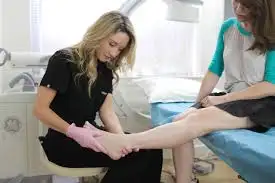
What Are the Treatment Options for Varicose Veins and Why Do They Matter?
Varicose veins are more than just a cosmetic concern. They often signal underlying circulation issues that can lead to discomfort, swelling, and even more serious complications if left untreated. When people ask what are the treatment options for varicose veins, they are usually looking for solutions that not only improve appearance but also restore healthy blood flow.
Modern medicine offers a wide range of treatments, from conservative lifestyle changes to advanced minimally invasive procedures. Visiting a vein treatment clinic can help you understand which option suits your condition best, ensuring both safety and effectiveness.
How Do Lifestyle Changes Help Manage Varicose Veins?
Before considering medical procedures, doctors often recommend simple lifestyle adjustments. These changes can significantly reduce symptoms and slow the progression of varicose veins.
Regular exercise improves circulation and strengthens leg muscles, which help push blood back toward the heart. Walking, swimming, and cycling are particularly beneficial. Maintaining a healthy weight also reduces pressure on your veins.
Elevating your legs several times a day allows gravity to assist blood flow. Wearing compression stockings is another common recommendation. These specially designed garments apply gentle pressure, preventing blood from pooling in the veins.
Although lifestyle changes may not eliminate existing varicose veins, they are essential for managing symptoms and preventing new ones from forming.
What Non-Surgical Treatments Are Available at a Vein Treatment Clinic?
If lifestyle adjustments are not enough, non-surgical treatments provide effective solutions with minimal downtime. A professional vein treatment clinic can offer several advanced options.
Sclerotherapy is one of the most popular treatments. During this procedure, a solution is injected directly into the affected vein, causing it to collapse and fade over time. It works well for smaller varicose veins and spider veins.
Laser therapy is another non-invasive option. It uses focused light energy to close off smaller veins without the need for needles or incisions. This method is particularly appealing to patients seeking a quick and relatively painless solution.
Radiofrequency ablation (RFA) and endovenous laser treatment (EVLT) are minimally invasive procedures that treat larger veins. These techniques use heat to seal off damaged veins, allowing blood to reroute through healthier vessels.
At Vein Treatment New Jersey, specialists often combine these therapies to achieve optimal results, tailoring each treatment plan to the patient’s needs.
How Effective Are Minimally Invasive Procedures?
Minimally invasive procedures have transformed how doctors treat varicose veins. They are highly effective, require little recovery time, and have a low risk of complications.
Endovenous laser treatment, for example, has a success rate of over 90%. Patients typically return to normal activities within a day or two. Similarly, radiofrequency ablation offers excellent results with minimal discomfort.
These treatments target the root cause of varicose veins rather than just masking their appearance. By closing off faulty veins, they improve circulation and reduce symptoms such as pain, swelling, and heaviness.
When people search for what are the treatment options for varicose veins, these minimally invasive procedures often rank among the top recommendations due to their efficiency and convenience.
When Is Surgery Necessary for Varicose Veins?
Although less common today, surgery may still be required in severe cases. Surgical options are typically considered when other treatments have not been effective or when veins are extremely large and painful.
Vein stripping and ligation involve removing or tying off the affected veins. While effective, these procedures require a longer recovery period compared to modern alternatives.
Ambulatory phlebectomy is a less invasive surgical method. It involves removing smaller varicose veins through tiny incisions. This procedure is often performed under local anesthesia and leaves minimal scarring.
Most patients today can avoid surgery thanks to advances in minimally invasive techniques. However, a consultation at a trusted vein treatment clinic will help determine the best approach for your condition.
What Factors Influence the Choice of Treatment?
Choosing the right treatment depends on several factors, including the size and location of the veins, the severity of symptoms, and the patient’s overall health.
Doctors also consider lifestyle, medical history, and personal preferences. For example, someone looking for quick recovery may prefer laser treatments, while another patient may benefit more from sclerotherapy.
A thorough evaluation, often including ultrasound imaging, helps specialists map the affected veins and create a personalized treatment plan. At Vein Treatment New Jersey, this tailored approach ensures that each patient receives the most effective care possible.
Are Varicose Vein Treatments Safe and Long-Lasting?
Safety is a common concern for patients exploring treatment options. Fortunately, most modern procedures are highly safe when performed by experienced professionals.
Side effects are usually mild and temporary, such as slight bruising or swelling. Serious complications are rare, especially in accredited clinics.
In terms of longevity, treated veins typically do not return. However, new varicose veins can develop over time, especially if underlying risk factors are not addressed. This is why ongoing care and healthy habits remain important even after treatment.
Understanding what are the treatment options for varicose veins helps patients make informed decisions and achieve long-lasting results.
How Can Early Treatment Improve Outcomes?
Early intervention plays a crucial role in managing varicose veins. Treating the condition in its early stages can prevent complications such as skin changes, ulcers, and blood clots.
It also allows for less invasive treatments, which are generally more comfortable and require shorter recovery times. Patients who seek help early often experience better results and improved quality of life.
Visiting a vein treatment clinic at the first sign of symptoms—such as aching legs, swelling, or visible veins—can make a significant difference in treatment success.
Why Should You Choose a Specialized Vein Treatment Clinic?
Specialized clinics focus exclusively on diagnosing and treating vein conditions. They use advanced technology and evidence-based methods to deliver effective care.
Experienced specialists understand the complexities of venous disorders and can recommend the most appropriate treatments. They also provide ongoing support, ensuring that patients maintain healthy circulation after the procedure.
At Vein Treatment New Jersey, patients benefit from comprehensive care, from initial consultation to post-treatment follow-up. This level of expertise ensures optimal outcomes and patient satisfaction.
What Is the Best Way to Get Started with Treatment?
The first step is scheduling a consultation with a qualified specialist. During this visit, the doctor will assess your condition, discuss your symptoms, and recommend suitable treatment options.
Being proactive about your vein health can prevent complications and improve your overall well-being. Whether you choose lifestyle changes, non-invasive treatments, or advanced procedures, the key is to take action early.
If you have been wondering what are the treatment options for varicose veins, now is the perfect time to explore your choices and find a solution that works for you. With modern treatments available at a trusted vein treatment clinic, achieving healthier and more comfortable legs is more accessible than ever.
