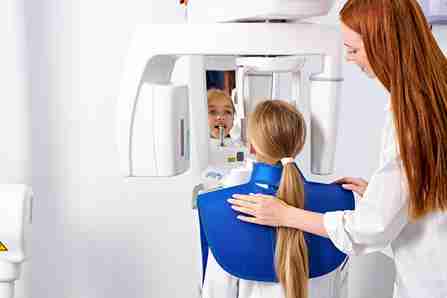
A child’s smile changes as teeth and jaws grow, making early orthodontic assessment important. Interceptive orthodontics focuses on identifying and managing developing problems at the right stage, rather than waiting until they become more complex. During childhood, jaw growth and tooth eruption create an ideal opportunity for early guidance using simpler, less invasive treatments. This approach does not usually involve full braces at a young age, but careful monitoring and timely intervention when needed. Understanding the value of interceptive orthodontics helps parents make informed decisions that support healthy development, long-term oral health, comfort, and confidence for their children.
What Is Interceptive Orthodontics?
Interceptive orthodontics is early orthodontic treatment provided when a child has a mix of baby and permanent teeth, usually between ages six and ten. The aim is to guide jaw growth, manage space for erupting adult teeth, and address developing bite problems before they worsen.
- Typically carried out between ages 6 and 10
- Uses short-term appliances, not full braces
- Helps guide jaw and facial development
- Reduces severity of future orthodontic issues
By treating concerns during key growth stages, interceptive orthodontics creates a healthier foundation for permanent teeth. Early intervention often simplifies later treatment, supports proper facial development, and promotes long-term oral health and confidence.
Why Early Orthodontic Intervention Is Important
Early orthodontic intervention offers advantages that are not possible later in life. When a child’s jaws are still developing, orthodontic appliances can influence growth patterns more effectively.
Key reasons early intervention matters include:
- Guiding jaw growth into better alignment
- Preventing crowding before permanent teeth erupt
- Reducing the risk of impacted teeth
- Improving bite function and comfort
Left untreated, minor problems can worsen as the child grows, potentially leading to longer treatment times, tooth extractions, or even surgery in adolescence or adulthood. In some cases, discomfort or infection linked to erupting teeth may also require attention from an emergency dentist in Rhyl, making early assessment even more valuable.
Common Problems Interceptive Orthodontics Can Address
Interceptive orthodontics is suitable for a range of developing orthodontic concerns.
Crowding and Spacing Issues
Early treatment can help manage limited space in the jaw and guide permanent teeth into better positions. Creating space early may reduce the need for extractions later.
Bite Problems in Children
Interceptive orthodontics can address:
- Overbites
- Underbites
- Crossbites
- Open bites
Correcting these issues early improves chewing efficiency, speech development, and jaw balance.
Harmful Oral Habits
Certain habits can negatively affect tooth and jaw development, including:
- Thumb sucking
- Tongue thrusting
- Mouth breathing
Early appliances can help discourage these habits and prevent long-term damage.
Signs Your Child May Need Interceptive Orthodontics
Not all orthodontic issues are immediately obvious. Parents should be aware of early warning signs that may indicate the need for assessment.
Common signs include:
- Early or late loss of baby teeth
- Difficulty biting or chewing
- Jaw shifting or clicking
- Speech difficulties
- Teeth that do not meet properly
If a child experiences pain, swelling, or trauma alongside these issues, prompt evaluation is important. In such situations, care from an emergency dentist in Rhyl may be required before orthodontic planning continues.

Types of Interceptive Orthodontic Treatments
Interceptive orthodontics uses a variety of appliances tailored to a child’s specific needs.
| Treatment | Purpose |
| Palatal expanders | Widen the upper jaw |
| Space maintainers | Preserve space for adult teeth |
| Partial braces | Align specific teeth |
| Habit appliances | Correct harmful oral habits |
These treatments are usually worn for a limited time and are carefully monitored to ensure comfort and effectiveness.
Benefits of Interceptive Orthodontics for Growing Smiles
The benefits of interceptive orthodontics extend well beyond early childhood.
Key advantages include:
- Shorter and simpler treatment during teenage years
- Reduced likelihood of tooth extractions
- Lower risk of severe bite problems
- Improved facial balance and symmetry
- Increased confidence during development
Early orthodontic care also helps children become more comfortable with dental visits, building positive habits and reducing anxiety around future treatment. Working with an experienced orthodontist Rhyl ensures that treatment is timed correctly and tailored to each child’s growth pattern.
What Parents Can Expect During Early Orthodontic Care
Interceptive orthodontic care typically begins with a detailed assessment, including X-rays, photographs, and bite analysis. Not every child requires immediate treatment; some may simply need regular monitoring.
Parents can expect:
- Clear explanations of findings and options
- Child-friendly appliances and instructions
- Regular follow-up visits to track progress
The focus is always on gentle guidance rather than aggressive correction.
The Role of Parental Involvement in Early Orthodontic Care
Parental involvement is essential for the success of interceptive orthodontics. Children rely on parents to ensure appliances are worn correctly, oral hygiene is maintained, and appointments are attended regularly. Active support helps children adapt comfortably to treatment and understand its importance.
- Encouraging consistent appliance use
- Monitoring brushing and cleaning routines
- Supporting children emotionally during adjustments
- Communicating concerns with the orthodontist
Interceptive Orthodontics and School-Age Activities
Interceptive orthodontic treatment is designed to fit smoothly into a child’s everyday life, including school and extracurricular activities. Most appliances are comfortable and do not interfere significantly with learning, sports, or social interactions.
- Appliances are lightweight and child-friendly
- Minimal disruption to school routines
- Sports guards can protect appliances
- Helps children adapt confidently at an early age

Why Timing Is Everything in Orthodontics
Orthodontic timing plays a critical role in treatment success. Treating issues too early or too late can limit effectiveness. Interceptive orthodontics works best when aligned with natural growth stages.
Acting at the right time:
- Maximises growth potential
- Expands treatment options
- Reduces future complexity
An early assessment allows orthodontists to plan proactively rather than reactively, ensuring the best possible outcome for a growing smile.
Conclusion
Interceptive orthodontics plays a crucial role in supporting healthy dental and facial development during childhood. By identifying and addressing problems early, parents can help reduce the need for complex treatment later and promote better long-term oral health.With the right timing, careful monitoring, and personalised care, early orthodontic intervention creates a strong foundation for confident, healthy smiles. Proactive assessment and expert guidance make all the difference for growing children and their future dental wellbeing at Rhyl.
Trusted Digital Marketing Company Australia for Businesses
What Your Insurance Company Knows That You Don’t: The Truth About Unnecessary Medical Procedures
Advanced Security Made Simple with Eagle Access Control Systems
Who Is the Best Back Pain Doctor in Paramus for Fast Relief?
From Idea to Prototype: A Complete Product Development Guide
