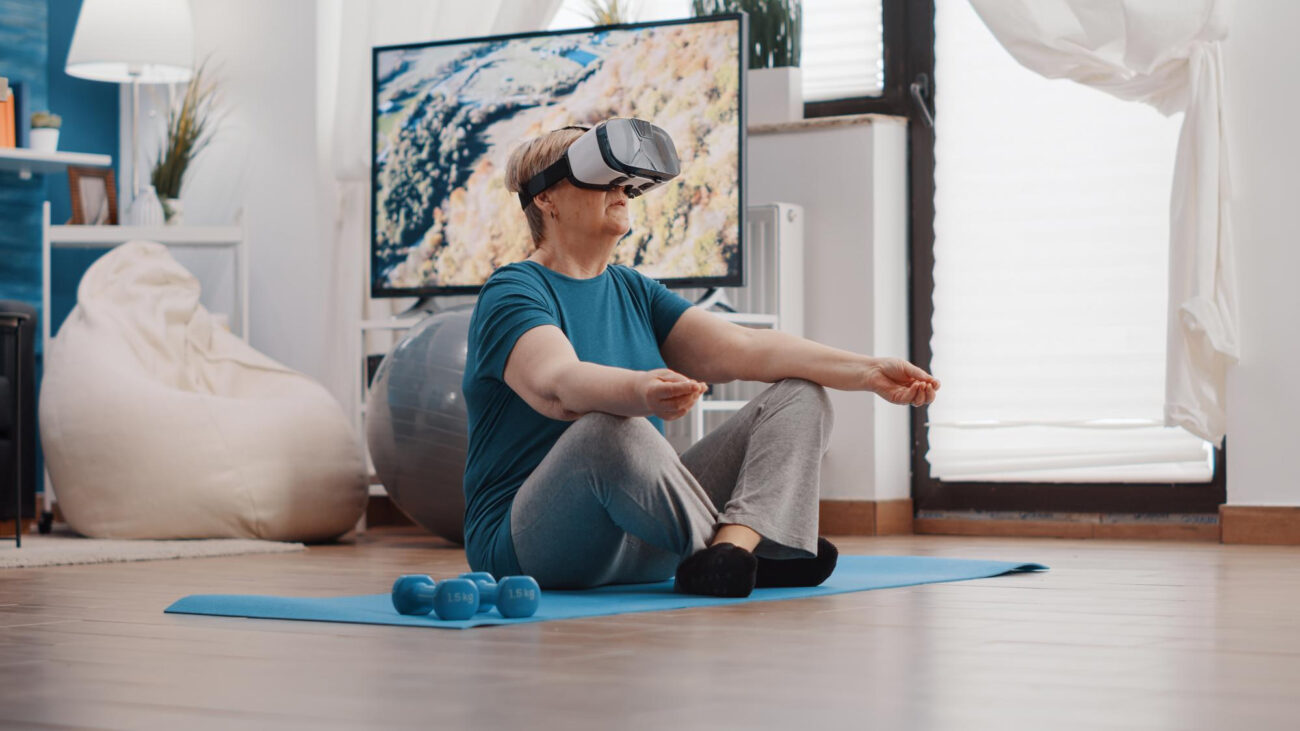
Physical therapy has long been a cornerstone of recovery for individuals dealing with injuries, surgeries, and chronic conditions. Traditionally, it involves structured exercises, hands-on techniques, and consistent monitoring by healthcare professionals. However, with rapid technological advancements, a new and exciting approach is reshaping rehabilitation: virtual reality. This innovative tool is transforming the way patients experience therapy, making it more engaging, personalized, and effective.
Virtual reality, often associated with gaming and entertainment, is now finding meaningful applications in healthcare. As modern rehabilitation methods continue to evolve, platforms such as Doctiplus highlight how technology-driven therapy and wellness innovations are improving recovery experiences for patients. In physical therapy, virtual reality creates immersive environments that encourage movement, improve motivation, and accelerate recovery. By blending science with interactive technology, virtual reality is redefining how healing happens.
Understanding Virtual Reality in Rehabilitation
Virtual reality in physical therapy involves the use of computer-generated environments that simulate real-world or imaginative scenarios. Patients wear headsets or interact with screens that respond to their movements in real time. These systems are designed to guide patients through therapeutic exercises while providing visual and sensory feedback.
Unlike traditional methods, virtual reality allows patients to feel as though they are part of a dynamic environment rather than simply repeating movements in a clinical setting. For example, a patient recovering from a leg injury may find themselves walking through a virtual park, climbing stairs in a simulated building, or even playing interactive games that require balance and coordination.
This immersive experience shifts the focus from routine exercises to engaging activities, making therapy sessions more enjoyable and less monotonous.
Enhancing Patient Engagement and Motivation
One of the biggest challenges in physical therapy is maintaining patient motivation. Repetitive exercises can often feel tedious, leading to decreased consistency and slower recovery. Virtual reality addresses this issue by transforming exercises into interactive experiences.
When patients are immersed in a virtual environment, they become more focused and engaged. The sense of achievement gained from completing tasks within the virtual world encourages them to continue their therapy. This increased motivation plays a crucial role in improving adherence to treatment plans.
Moreover, virtual reality systems often include real-time feedback and rewards, which further enhance the experience. Patients can see their progress, track improvements, and feel a sense of accomplishment, all of which contribute to a more positive rehabilitation journey.
Personalized Therapy Experiences
Every patient’s recovery journey is unique, and virtual reality makes it easier to tailor therapy sessions to individual needs. Therapists can adjust the difficulty level, intensity, and type of exercises based on the patient’s condition and progress.
For instance, a patient recovering from a stroke may require exercises that focus on regaining motor control, while someone recovering from a sports injury may need strength and balance training. Virtual reality systems can be customized to address these specific requirements, ensuring that therapy remains both effective and relevant.
Additionally, these systems can collect data on patient performance, such as movement accuracy, speed, and range of motion. This data allows therapists to make informed decisions and continuously refine treatment plans for optimal results.
Improving Motor Skills and Coordination
Virtual reality is particularly effective in helping patients improve motor skills and coordination. By engaging multiple senses, it stimulates the brain in ways that traditional therapy cannot.
When patients interact with virtual environments, their brain processes visual, auditory, and physical inputs simultaneously. This multi-sensory stimulation enhances neural connections, promoting better coordination and motor control.
For individuals recovering from neurological conditions such as stroke or traumatic brain injuries, this approach can be especially beneficial. The brain’s ability to adapt and reorganize itself, known as neuroplasticity, is significantly enhanced through repeated, immersive experiences.
As patients practice movements in a virtual setting, they gradually regain control and confidence, leading to improved physical function in real-life situations.
Pain Management Through Immersion
Pain is a common barrier in physical therapy, often limiting a patient’s ability to perform exercises effectively. Virtual reality offers a unique solution by acting as a powerful distraction tool.
When patients are immersed in a virtual environment, their attention is diverted away from pain. This psychological shift can reduce the perception of discomfort, allowing them to engage more fully in their therapy sessions.
Research has shown that immersive experiences can influence how the brain processes pain signals. By focusing on engaging tasks within the virtual world, patients may experience reduced anxiety and stress, which further contributes to pain relief.
This approach not only improves the overall therapy experience but also enables patients to perform exercises they might otherwise avoid due to discomfort.
Applications Across Different Conditions
Virtual reality is versatile and can be applied to a wide range of physical therapy needs. It is being used in rehabilitation for orthopedic injuries, neurological disorders, and even chronic conditions.
Patients recovering from surgeries such as knee or hip replacements benefit from guided movement exercises in a controlled virtual environment. These exercises help restore mobility and strength while minimizing the risk of injury.
In neurological rehabilitation, virtual reality plays a significant role in helping patients regain lost functions. Stroke survivors, for example, can practice repetitive movements that improve coordination and balance.
Additionally, individuals with conditions like Parkinson’s disease or multiple sclerosis can use virtual reality to enhance their physical capabilities and maintain independence.
The adaptability of this technology makes it a valuable tool in modern healthcare, offering solutions for diverse rehabilitation challenges.
Bridging the Gap Between Clinic and Home
Another major advantage of virtual reality in physical therapy is its ability to extend care beyond the clinic. Many systems are now designed for home use, allowing patients to continue their therapy in a familiar environment.
This accessibility is particularly beneficial for individuals who have difficulty traveling to therapy centers. By using virtual reality at home, patients can maintain consistency in their treatment, which is essential for successful recovery.
Remote monitoring features also enable therapists to track patient progress and provide guidance from a distance. This combination of convenience and professional support ensures that patients receive continuous care without interruptions.
As healthcare increasingly embraces digital solutions, virtual reality is playing a key role in making therapy more accessible and flexible.
Challenges and Considerations
While virtual reality offers numerous benefits, it is not without challenges. One of the primary concerns is the cost of equipment and implementation. Advanced systems can be expensive, which may limit their availability in some healthcare settings.
There is also a learning curve for both patients and therapists. Some individuals may initially feel uncomfortable using virtual reality technology, especially older patients who are less familiar with digital tools. Proper training and guidance are essential to ensure effective use.
Additionally, not all patients are suitable candidates for virtual reality therapy. Individuals with certain medical conditions, such as severe motion sickness or visual impairments, may find it difficult to use these systems.
Despite these challenges, ongoing advancements in technology are making virtual reality more affordable, user-friendly, and widely accessible.
The Future of Virtual Reality in Physical Therapy
The future of virtual reality in physical therapy is incredibly promising. As technology continues to evolve, we can expect even more sophisticated systems that offer enhanced realism, better tracking capabilities, and improved user experiences.
Artificial intelligence and machine learning are likely to play a significant role in shaping the next generation of virtual reality therapy. These technologies can analyze patient data in real time, providing personalized recommendations and adaptive exercises.
Wearable devices and sensors may also be integrated with virtual reality systems, allowing for more precise monitoring of movements and physiological responses. This level of detail will enable therapists to deliver highly targeted treatments.
Furthermore, the growing popularity of virtual reality is likely to drive innovation and reduce costs, making it more accessible to a wider population. As a result, more patients will have the opportunity to benefit from this transformative approach to rehabilitation.
Conclusion
Virtual reality is revolutionizing physical therapy by combining technology with healthcare to create a more engaging and effective rehabilitation experience. Its ability to enhance motivation, personalize treatment, improve motor skills, and manage pain makes it a powerful tool in modern medicine.
While challenges remain, the potential benefits far outweigh the limitations. As virtual reality continues to advance, it is set to become an integral part of physical therapy, offering new possibilities for recovery and healing.
By embracing this innovative approach, patients and healthcare providers alike can look forward to a future where rehabilitation is not only effective but also immersive and empowering.
7 Reasons to Use Seller Agent Services When Selling Your Home
Hiuspidennykset Helsinki – Kauneuden Ja Itsevarmuuden Uusi Ulottuvuus
Thermal Facade Solution Sydney Guide: Benefits of Thermally Broken Aluminium Systems
Who Is the Best Nutritionist in Houston for Your Health Goals?
Polyethylene (PE) Foam Market Key Manufactures Shares and Forecasts Till 2025-2032
