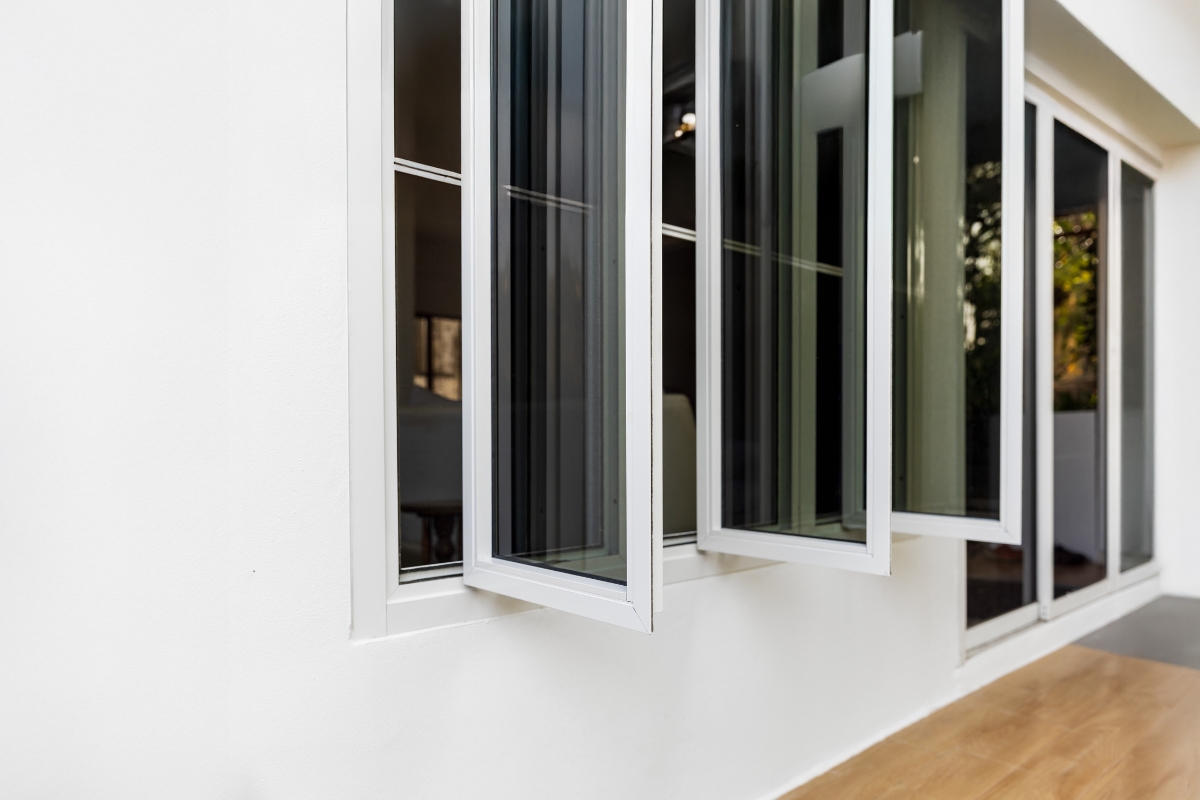
When it comes to modern construction and sustainable building solutions, thermally broken aluminium systems are becoming an essential choice for homeowners, architects, and builders in Sydney. With the increasing demand for energy efficiency, comfort, and durability, these systems offer a smart solution that addresses both environmental and practical concerns. Thermal break technology is designed to minimise heat transfer through aluminium frames, providing better insulation and reducing energy consumption without compromising on style or structural integrity.
Sydney’s climate can be challenging, with hot summers and cooler winters creating a need for building materials that regulate internal temperatures effectively. Thermally broken aluminium facades and window systems provide a high-performance solution by creating a barrier within the aluminium frame that prevents the natural conduction of heat or cold. This means that interiors remain comfortable year-round while reducing reliance on air conditioning and heating systems, ultimately lowering energy costs.
Understanding Thermally Broken Aluminium
Thermally broken aluminium, sometimes referred to as ‘thermally broken aluminium’, is an advanced system where a non-metallic material separates the interior and exterior aluminium components. This “thermal break” interrupts the pathway for heat transfer, which is a natural limitation of traditional aluminium frames due to their high conductivity.
The concept is simple yet highly effective. Aluminium on its own is a great conductor, meaning heat easily passes through it. In standard aluminium frames, this could lead to unwanted heat gain during summer and heat loss during winter. By introducing a thermal break, the frame is segmented internally with insulating material that drastically reduces this heat flow. As a result, spaces remain thermally stable without sacrificing the sleek, modern look that aluminium systems provide.
Key Benefits of Thermally Broken Aluminium Systems
1. Improved Energy Efficiency
One of the most significant advantages of thermally broken aluminium systems is their ability to improve energy efficiency. Buildings with thermal breaks in their aluminium frames retain indoor temperatures more effectively, which reduces the need for constant heating and cooling. This not only lowers electricity bills but also contributes to sustainable building practices, aligning with Sydney’s growing emphasis on eco-friendly construction.
2. Enhanced Comfort
Thermal breaks ensure that interiors maintain a more consistent temperature throughout the year. Unlike conventional aluminium frames that can feel cold to the touch in winter or hot during summer, aluminium thermal windows with a thermal break provide a more comfortable environment. This improves occupant well-being, particularly in residential and commercial spaces where prolonged exposure to temperature fluctuations can affect productivity and health.
3. Condensation Prevention
Condensation on windows and doors is a common issue in Sydney, especially during humid or cooler months. Thermal break aluminium systems minimize the risk of condensation forming on the interior surface by reducing thermal bridging. Less condensation means fewer moisture-related problems such as mold growth, corrosion, and damage to surrounding materials, extending the lifespan of the building’s interior finishes.
4. Noise Reduction
Another often overlooked benefit is noise insulation. Buildings located in busy urban areas or near main roads can benefit from the sound-dampening properties of aluminium thermal break systems. By incorporating a barrier within the aluminium frame, external noise transmission is reduced, providing a quieter and more peaceful indoor environment.
5. Structural Strength and Design Flexibility
Despite their insulating properties, thermally broken aluminium systems maintain the inherent strength of aluminium. This allows for slim, sleek designs without compromising durability. Architects and builders can achieve expansive window walls, large sliding doors, or modern curtain walls with the confidence that the system is structurally robust and long-lasting. The design flexibility also allows for custom finishes, powder coating, and various colour options that suit contemporary Sydney architecture.
Applications of Thermally Broken Aluminium
Residential Buildings
For homes in Sydney, thermally broken aluminium systems are particularly useful in creating energy-efficient façades and windows. They can be used in high-rise apartments, townhouses, and single-family homes to improve insulation, reduce energy costs, and enhance aesthetic appeal. Features like sliding doors, double-glazed windows, and aluminium thermal windows can all be optimised using thermal break technology.
Commercial Buildings
In commercial and office buildings, thermal break aluminium facades help maintain comfortable indoor climates while meeting strict energy codes. Large-scale curtain walls, glazing systems, and partition walls benefit from thermal breaks by controlling temperature fluctuations and improving occupant comfort.
Renovation Projects
Retrofitting older buildings with thermal break aluminium solutions can significantly enhance their energy efficiency. Upgrading existing aluminium frames with thermal breaks, or replacing outdated windows and doors, provides a cost-effective way to modernize a property while adhering to current building standards.
Thermal Break Technology Explained
Thermal break aluminium systems rely on separating the exterior and interior aluminium profiles using a low-conductivity material, often made from polyamide or reinforced polymer. This material acts as a barrier to heat transfer, effectively reducing the frame’s U-value—a measure of thermal performance.
When heat attempts to travel through the aluminium frame, the thermal break interrupts its path. This is critical because aluminium, while strong and lightweight, is a highly conductive metal. Without a thermal break, heat easily escapes in winter or enters in summer, leading to higher energy consumption and discomfort.
Moreover, the insulating material used in the thermal break can be designed to withstand structural loads and provide additional benefits such as sound insulation and condensation prevention. This makes it a versatile solution for both residential and commercial projects.
Comparing Thermally Broken Aluminium with Traditional Aluminium
Traditional aluminium systems offer durability and aesthetic appeal, but they fall short when it comes to thermal performance. Without a thermal break, standard aluminium frames conduct heat freely, which can compromise energy efficiency and occupant comfort.
In contrast, thermally broken aluminium systems are engineered to combine all the benefits of aluminium—strength, low maintenance, and modern design—with superior insulation properties. The difference is particularly noticeable in energy bills, indoor climate control, and long-term building sustainability.
Installation Considerations
Proper installation of thermally broken aluminium systems is crucial for achieving maximum benefits. Installers must ensure that the thermal break is continuous, properly sealed, and integrated with the glazing or façade system. Gaps or incorrect installation can compromise insulation and lead to thermal bridging, condensation, or water leakage.
Sydney builders and homeowners should work with suppliers who provide certified systems and experienced installation teams. Ensuring that aluminium thermal windows and façade elements are correctly installed guarantees performance, durability, and compliance with local building regulations.
Maintenance and Longevity
One of the advantages of thermal-break aluminium systems is their low maintenance requirements. Aluminium frames are resistant to corrosion, warping, and weathering, making them ideal for Sydney’s coastal and urban environments. Routine cleaning of the frames and glazing is usually sufficient to maintain appearance and performance over time.
Thermal breaks are built into the frame and do not require additional treatment or replacement under normal conditions. This long-lasting solution makes thermally broken aluminium a wise investment for both residential and commercial projects.
Cost Considerations
While thermally broken aluminium systems can have a higher upfront cost compared to traditional aluminium, the long-term benefits often outweigh the initial investment. Improved energy efficiency reduces utility bills, while durability and low maintenance minimise replacement and repair costs.
When evaluating cost, it’s important to consider the total value provided, including comfort, aesthetics, noise reduction, condensation prevention, and energy savings. In many cases, aluminium thermal break systems pay for themselves over the lifespan of the building.
Design Flexibility
Modern architects and designers appreciate the versatility of thermally broken aluminium systems. Slim profiles, large glazing areas, and a wide range of finishes allow creative freedom while maintaining structural integrity. This makes them suitable for minimalist residential designs, contemporary office buildings, and commercial complexes.
Custom colours, powder coatings, and finishes allow buildings to align with specific branding or aesthetic goals. Additionally, the lightweight nature of aluminium makes it easier to handle and install, reducing construction time without compromising quality.
Environmental Benefits
Thermally broken aluminium systems contribute to environmentally responsible construction. Reduced energy consumption translates to lower greenhouse gas emissions. Additionally, aluminium is a highly recyclable material, meaning that at the end of its lifespan, the frame can be repurposed without contributing to landfill waste.
By integrating thermal break aluminium into new builds or renovations, Sydney builders can support green building initiatives and achieve higher energy ratings for residential and commercial properties.
Common Misconceptions
A few misconceptions exist about thermally broken aluminium systems:
- “They are only for cold climates.” While they provide excellent insulation in winter, thermal break systems also prevent heat gain during summer, making them effective year-round in Sydney’s variable climate.
- “They look bulky.” Modern engineering allows for slim, sleek profiles that maintain aesthetic appeal while providing superior thermal performance.
- “They are expensive.” Though the initial investment is higher, long-term energy savings and durability offset upfront costs.
Understanding these facts ensures informed decision-making when selecting building materials for both residential and commercial projects.
Conclusion
In Sydney, where climate control, energy efficiency, and modern design are top priorities, thermally broken aluminium systems offer a comprehensive solution. From residential homes to commercial buildings, these systems provide enhanced insulation, comfort, condensation prevention, noise reduction, and design flexibility. By choosing aluminium thermal windows, sliding doors, or façade solutions with thermal break technology, homeowners and architects can achieve sustainable, cost-effective, and aesthetically pleasing results.
For those looking to implement high-quality thermally broken aluminium systems in Sydney, visit Thermal Facade Solutions for expert guidance, premium products, and professional installation services. Their solutions ensure that buildings are energy-efficient, comfortable, and built to last.
How Do Tyres Bondi Improve Safety and Driving Comfort?
Villa Renovation Sharjah – Complete Guide to Modern, Luxury & Affordable Home Renovation Solutions
When Space Becomes a Challenge: How Portable Solutions Save the Day
7 Reasons to Use Seller Agent Services When Selling Your Home
Hiuspidennykset Helsinki – Kauneuden Ja Itsevarmuuden Uusi Ulottuvuus
