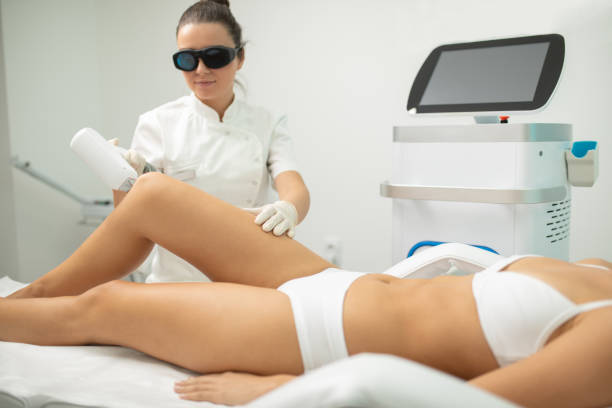
Laser hair removal has gained popularity as a long-term solution for reducing unwanted hair, but concerns about skin irritation are common. Many people wonder whether the treatment is safe for their skin type and if irritation is frequent or severe. Laser Hair Removal in Abu Dhabi clinics often offer expert guidance and customized settings to minimize irritation and ensure safe results. Understanding how the procedure interacts with skin, what sensations to expect, and how to care for the skin afterward helps provide clarity and confidence for anyone considering laser hair removal.
How Laser Hair Removal Interacts with Skin
Laser hair removal works by targeting the pigment in hair follicles with concentrated light energy. The energy is converted into heat, which disables the follicle’s ability to produce hair. The surrounding skin remains largely unaffected when the procedure is performed correctly.
Skin irritation is usually mild and temporary because the laser energy is designed to focus on the hair follicle rather than the skin itself. Modern laser technology also incorporates cooling mechanisms to protect the skin, reducing the chance of discomfort or irritation.
Common Sensations During Treatment
During a session, individuals may notice a snapping sensation or warmth on the skin. The intensity varies depending on hair thickness, skin sensitivity, and the area being treated. Areas with thinner skin or more nerve endings, such as the upper lip or bikini line, may feel slightly more noticeable sensations, while areas with thicker skin tend to feel milder.
These sensations are typically brief and manageable. Cooling technology, such as chilled air or gels, helps reduce the intensity of these sensations and keeps the skin comfortable during the session.
Why Skin Irritation Can Occur
Although significant irritation is uncommon, minor skin reactions can occur temporarily due to the laser energy. Common triggers include:
- Skin sensitivity, which varies from person to person
- Hair thickness and density, which may cause the laser energy to feel stronger in certain areas
- Recent sun exposure, which can make the skin more reactive
Modern laser systems allow settings to be adjusted based on skin type and sensitivity, which reduces the likelihood of irritation and ensures that the treatment is effective and comfortable.
Factors That Influence Skin Response
Several factors affect how the skin responds to laser hair removal:
- Skin Type: Sensitive skin may notice more noticeable sensations, but proper laser settings and cooling can accommodate these differences.
- Treatment Area: Areas with thinner skin or more nerve endings may feel warmer or slightly tingly during treatment.
- Hair Characteristics: Thicker or denser hair may require higher energy levels, which can create more noticeable skin sensations.
- Pre- and Post-Care: Proper preparation and aftercare help minimize skin reactions and support optimal results.
Awareness of these factors allows individuals to approach laser hair removal sessions with realistic expectations and take steps to maintain comfort.
Preparing the Skin Before Treatment
Preparation is important for minimizing irritation. The skin should be clean, dry, and free from lotions, oils, or other products that may interfere with laser absorption. Avoiding sun exposure in the days prior to treatment helps reduce skin reactivity.
Trimming hair to the recommended length allows the laser to target the follicle directly, which helps prevent excessive energy exposure to surrounding skin. Proper preparation is essential for a comfortable and effective session.
Post-Treatment Care
After a session, the skin may feel slightly warm or tender for a short time, which is typically temporary and manageable. Gentle cleansing and moisturization help soothe the treated area. Avoiding friction, heat, and sun exposure for a short period supports recovery and reduces the chance of skin reactions.
Following post-treatment care recommendations ensures that the skin remains comfortable and that the laser-treated follicles respond effectively, enhancing long-term results.
Frequently Asked Questions (FAQs)
Is skin irritation common after laser hair removal?
Minor skin reactions, such as slight warmth or temporary redness, can occur but are generally short-lived. Significant or lasting irritation is uncommon with proper treatment.
Do certain areas of the body experience more irritation?
Yes, areas with thinner skin or more nerve endings, such as the upper lip or bikini line, may feel slightly more noticeable sensations.
Can sensitive skin undergo laser hair removal safely?
Yes. Laser settings can be adjusted for sensitive skin, and cooling mechanisms help maintain comfort during treatment.
Does sun exposure affect skin irritation?
Yes, recently sun-exposed or tanned skin can be more reactive, so it is recommended to avoid sun exposure before and after treatment.
Will irritation prevent long-term hair reduction?
No, minor and temporary irritation does not interfere with long-term results. Proper care ensures the skin recovers while hair follicles are effectively treated.
How can I minimize skin irritation?
Preparation, including clean and dry skin, trimmed hair, and avoiding sun exposure, along with proper post-care, can help reduce temporary irritation. Cooling mechanisms during the session also improve comfort.
Long-Term Considerations
Laser hair removal is designed to provide long-lasting hair reduction without causing frequent or severe skin irritation. Over multiple sessions, the skin often becomes accustomed to the treatment, and sensations may become less noticeable. Proper preparation, consistent sessions, and following post-treatment guidance contribute to a comfortable experience and effective hair reduction.
Conclusion
Skin irritation from laser hair removal is generally mild, temporary, and manageable. Modern technology, proper preparation, and individualized laser settings help ensure a safe and comfortable experience for all skin types. While minor warmth or tenderness may occur, these reactions are typically short-lived and do not interfere with long-term hair reduction. By understanding what to expect during and after a session, individuals can approach laser hair removal with confidence, knowing that irritation is uncommon and usually minor.
