Seeking proper medical care is an uncomplicated process. The reality is, it is not always so straightforward.
There are many who wish to receive medical care but face minor issues that eventually become insurmountable obstacles. The medical facility may be out of the way. The waiting time may be too long. There may even be a sense of discomfort at visiting hospitals repeatedly.
This is where home healthcare is breaking new ground. Let’s take a closer look at how medical care is helping patients receive the medical care they need without so many obstacles.
The Travel Problem Disappears
For a lot of patients, the hardest part of treatment is not the treatment itself. It’s getting there.
Think about elderly individuals or people who have mobility problems. Even arranging transportation can become stressful. Some rely on family members. Others may have to spend money on taxis or ride services just to attend a short appointment.
Home-based care solves this problem in a very practical way. Healthcare professionals visit the patient instead of the patient visiting the clinic. There’s no traffic to deal with, no long drives, and no parking issues.
A Familiar Environment Helps Patients Relax
Hospitals can feel intimidating. The bright lights, the busy hallways, and the constant movement can make some patients uneasy. At home, things feel different.
Patients are surrounded by familiar things—family members, their favorite chair, maybe even their pet nearby. This comfortable environment often helps people feel calmer during consultations.
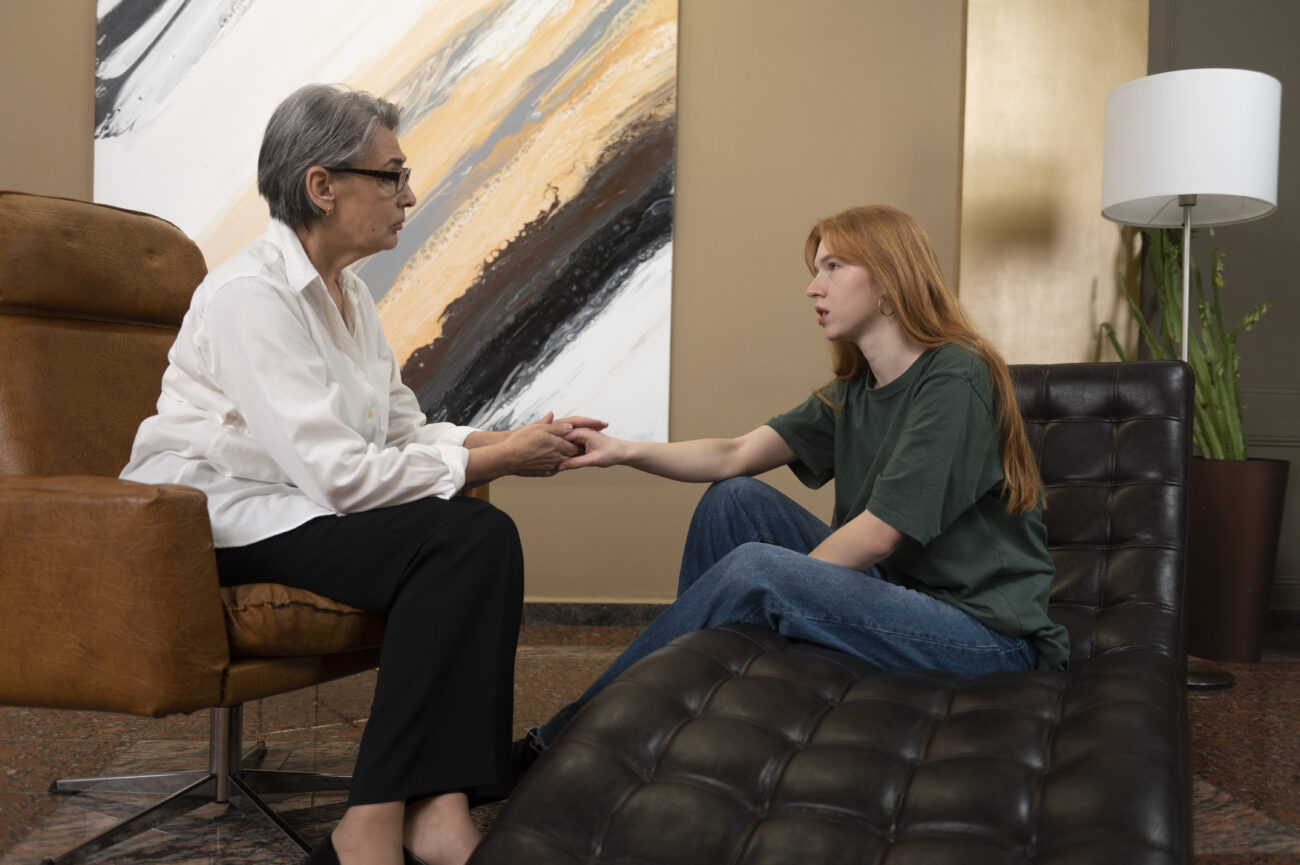
This is especially helpful for individuals seeking at home mental health services. Many patients find it easier to talk about their feelings when they are in a place where they already feel safe.
Less Stress From Scheduling
Another challenge that many have experienced in the past is that there is not enough time for the appointments. This means that the day can easily be filled up before the end of the day.
If the appointments have been scheduled at clinics, patients have to take the day off or change the entire day around. This has been the reason for the delay in receiving the required attention in the past.
However, this has been changed through the home-based care services. This means that the patients can have the appointments at any time that suits them best. This could be in the morning, in the afternoon, or in the evening.
Better Care for Chronic Health Conditions
Chronic diseases may require frequent checks. They may need check-ups, medication, and even counseling from medical experts. For an individual who is suffering from a chronic disease, visiting the clinic regularly can be tedious. The patients may even fail to turn up at the clinic due to the tedious visits.
However, the problem is solved through home-based care because the medical experts can always check up on them without them having to go to the clinic.
The constant support from the medical experts ensures that the patients adhere to the treatment plan.
Communication Often Improves
Clinic appointments can sometimes feel rushed. Doctors and healthcare staff may have a long list of patients waiting, which limits the time available for each visit. Home visits tend to be different. The setting is quieter, and providers often have more time to speak with the patient. This allows for better discussions about symptoms, treatment options, and lifestyle changes.
In the case of at-home mental health services, this extra time can be extremely valuable. Mental health care is something that requires communication and trust. When the patient feels heard and understood, the process of treatment can be made much more effective.
Fewer Missed Appointments
Missed appointments are common in healthcare systems everywhere. Transportation problems, weather issues, and scheduling conflicts often lead to cancellations. When care is delivered at home, many of these problems disappear.
Patients do not have to think about transportation or worry about getting caught in traffic. This ensures that patients will attend the scheduled appointments.
Regular care helps in monitoring and a timely response in case the patient’s health begins to deteriorate.
Care That Fits the Patient’s Lifestyle
The other advantage of home-based care is the fact that the providers get to see how the patients live.
They get to see how the patients live. This enables them to give the patients advice that is suitable for them. For example, they can inform the patients how to make minor changes to their diets, medications, etc.
Such suggestions are likely to be more effective than general instructions provided to patients during a clinic visit.
Encouraging People to Seek Help Earlier
One of the biggest problems in healthcare is delayed treatment. Many people wait too long before seeking medical help.
Sometimes the reason is simple inconvenience. Other times, it is anxiety about visiting hospitals.
Home-based care lowers these barriers. When healthcare becomes easier to access, people are more willing to schedule appointments at the first sign of a problem.
Final Thoughts
Home-based healthcare is quietly transforming the way many patients receive treatment. By eliminating barriers such as traveling difficulties, time conflicts, and unpleasant physical settings, healthcare services become more accessible to a broad range of people.
The patient is given healthcare services in an environment where he/she feels comfortable, communication is facilitated, and the treatment plan is uncomplicated.
Your Ultimate Guide to Google Flights for Smart Travel Planning
Give Zakat Before Ramadan: Maximize Rewards and Transform Lives Through Early Giving
Quick Guide to Getting Paid for Unwanted Cars
Elevate Your Brand with an Omnichannel Loyalty ProgramGemini said
High Performance Cloud Loyalty Platform for Modern Enterprise Retail
