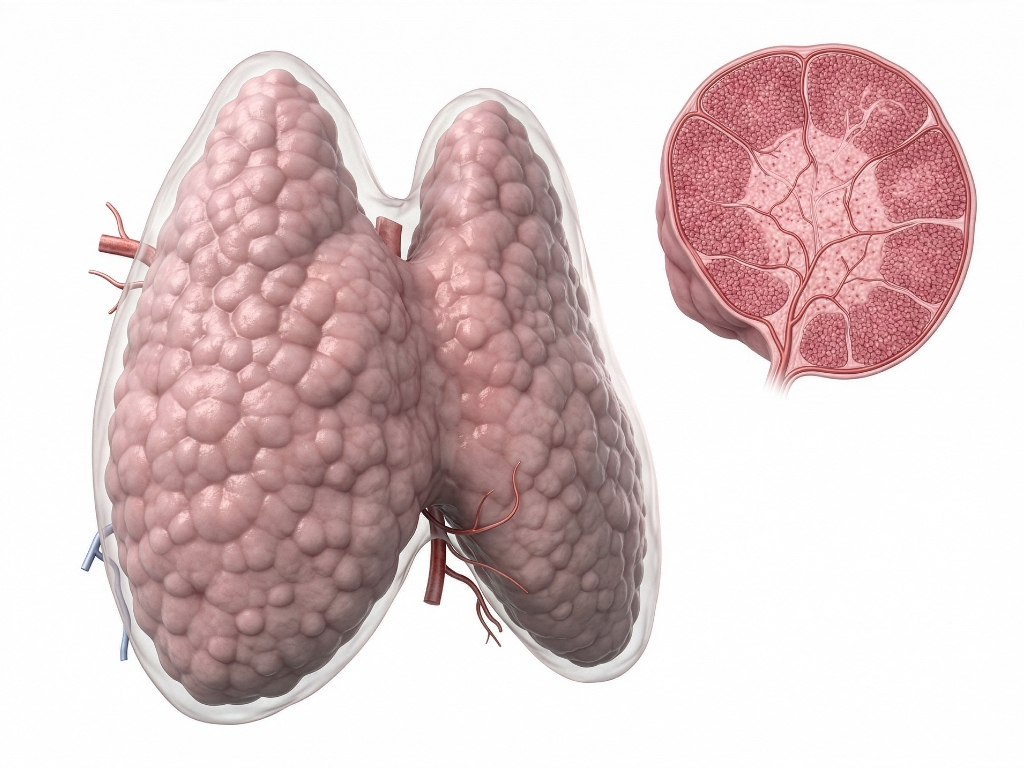
The thyroid gland plays a crucial role in regulating the body’s metabolism, energy levels, heart rate, and hormonal balance. When the thyroid becomes enlarged, a condition known as a goiter can develop. Many people living with a goiter experience symptoms such as neck swelling, difficulty swallowing, breathing problems, or hormonal imbalances. In some cases, doctors recommend goiter surgery as an effective treatment option. But an important question many patients ask is whether goiter surgery can actually help improve thyroid function.
Understanding how surgery affects thyroid health can help patients make informed decisions about treatment. This article explores the relationship between goiter surgery and thyroid function, including when surgery is recommended, how it works, and what patients can expect after the procedure.
Understanding Goiter and Thyroid Function
A goiter refers to an abnormal enlargement of the thyroid gland, which is located at the front of the neck. The thyroid produces hormones that control metabolism and influence many essential bodily functions. When the gland enlarges, it may continue producing normal hormone levels, or it may produce too much or too little hormone.
There are several types of goiters, including diffuse goiter, multinodular goiter, and nodular goiter. Some goiters are associated with hyperthyroidism, where the thyroid produces excessive hormones, while others are linked to hypothyroidism, where hormone production is reduced. In many cases, a goiter may not significantly affect hormone levels but can still cause structural problems or discomfort.
The presence of large nodules or progressive enlargement can compress nearby structures such as the trachea or esophagus. When this happens, doctors may recommend goiter surgery to relieve symptoms and restore normal anatomy.
When Is Goiter Surgery Recommended?
Not every patient with a goiter requires surgery. Many small or asymptomatic goiters can be monitored through regular checkups and imaging tests. However, there are certain situations where goiter surgery becomes the preferred treatment option.
Doctors typically recommend surgery if the goiter causes difficulty swallowing, breathing problems, or noticeable neck swelling that affects quality of life. Surgery may also be advised when imaging or biopsy results raise suspicion of thyroid cancer. In addition, patients with hyperfunctioning nodules that do not respond well to medication may benefit from surgical removal.
Large multinodular goiters that continue to grow over time can also interfere with normal thyroid structure and function. In such cases, goiter surgery helps remove the problematic tissue and prevents further complications.
Types of Goiter Surgery
The type of surgery performed depends on the size of the goiter, the presence of nodules, and the patient’s thyroid function status. The most common procedures include partial thyroidectomy and total thyroidectomy.
A partial thyroidectomy involves removing only a portion of the thyroid gland. This option may be suitable for patients with a single large nodule or a localized goiter affecting one side of the thyroid. By preserving part of the gland, the body may continue producing adequate thyroid hormones without the need for lifelong medication.
Total thyroidectomy, on the other hand, involves removing the entire thyroid gland. This procedure is usually recommended for very large goiters, multinodular goiters affecting both lobes, or when cancer is suspected. After a total thyroidectomy, patients typically need thyroid hormone replacement therapy to maintain normal hormone levels.
Regardless of the type of procedure, the primary goal of goiter surgery is to remove abnormal tissue while protecting surrounding nerves and structures.
Can Goiter Surgery Improve Thyroid Function?
One of the main goals of goiter surgery is to address the underlying issues caused by an enlarged thyroid gland. In many cases, removing abnormal thyroid tissue can help stabilize hormone production and improve symptoms related to thyroid dysfunction.
For patients with hyperthyroidism caused by toxic nodules or multinodular goiter, surgery can eliminate the overactive tissue responsible for excessive hormone production. Once the problematic areas are removed, hormone levels often return to a more balanced state.
In cases where a goiter compresses the remaining healthy thyroid tissue, removing the enlarged portion may allow the remaining gland to function more effectively. This can lead to improved hormonal regulation and relief from metabolic symptoms.
However, the effect of goiter surgery on thyroid function depends on how much of the thyroid gland is removed. If only a portion of the gland is removed, the remaining tissue may continue producing sufficient hormones. If the entire thyroid is removed, hormone replacement therapy becomes necessary to maintain normal body functions.
Relief from Symptoms After Surgery
Many patients who undergo goiter surgery experience significant relief from the physical symptoms caused by thyroid enlargement. Removing the enlarged gland often reduces pressure on the trachea and esophagus, making it easier to breathe and swallow.
Patients may also notice improvements in neck discomfort, voice strain, and visible swelling. For individuals who previously experienced symptoms related to excess thyroid hormone production, surgery can help restore metabolic balance and reduce complications such as rapid heartbeat, anxiety, and weight loss.
In addition to improving physical symptoms, goiter surgery can also enhance quality of life. Many patients feel more comfortable and confident once the visible neck swelling is resolved.
Recovery and Post-Surgery Care
Recovery after goiter surgery typically involves a short hospital stay followed by a few weeks of rest and gradual return to normal activities. Most patients recover well and are able to resume their daily routines within a short period of time.
Doctors usually monitor thyroid hormone levels after surgery to determine whether hormone replacement therapy is needed. Patients who undergo total thyroid removal will need daily thyroid hormone medication to maintain proper metabolic function.
Regular follow-up appointments are important to ensure stable hormone levels and overall thyroid health. Imaging tests or blood tests may be used to monitor recovery and detect any potential recurrence of thyroid nodules.
Maintaining a healthy lifestyle, including proper nutrition and regular medical checkups, also plays an important role in supporting long-term thyroid function after goiter surgery.
Alternatives to Traditional Goiter Surgery
Although goiter surgery remains an effective treatment option, modern medicine has introduced several minimally invasive alternatives for certain patients. Procedures such as radiofrequency ablation, ethanol ablation, and thyroid artery embolization can shrink thyroid nodules without the need for traditional surgery.
These techniques are particularly useful for patients with benign nodules who want to avoid surgical removal of the thyroid gland. While these treatments can reduce nodule size and relieve symptoms, they may not be suitable for all cases, especially when cancer is suspected or the goiter is extremely large.
A qualified thyroid specialist can evaluate each patient’s condition and recommend the most appropriate treatment approach.
Is Goiter Surgery the Right Choice for You?
Deciding whether to undergo goiter surgery depends on several factors, including the size of the goiter, associated symptoms, hormone levels, and overall health. A thorough medical evaluation, including ultrasound imaging and laboratory tests, helps doctors determine the most suitable treatment plan.
Patients should also discuss their concerns and treatment goals with their healthcare provider. Understanding the benefits and potential risks of surgery allows individuals to make confident decisions about their thyroid care.
For many people, goiter surgery offers a reliable solution for managing large or symptomatic goiters while helping restore normal thyroid function and improving overall well-being.
Final Thoughts
Goiter can affect both the structure and function of the thyroid gland, leading to symptoms that impact daily life. When the condition becomes severe or causes complications, goiter surgery can provide an effective treatment option. By removing enlarged or overactive thyroid tissue, the procedure can relieve pressure symptoms, stabilize hormone levels, and improve quality of life.
While the outcome for thyroid function varies depending on the extent of the surgery, many patients experience significant benefits after treatment. With proper medical guidance, follow-up care, and hormone monitoring, individuals can maintain healthy thyroid function and enjoy long-term wellness after goiter surgery.
