




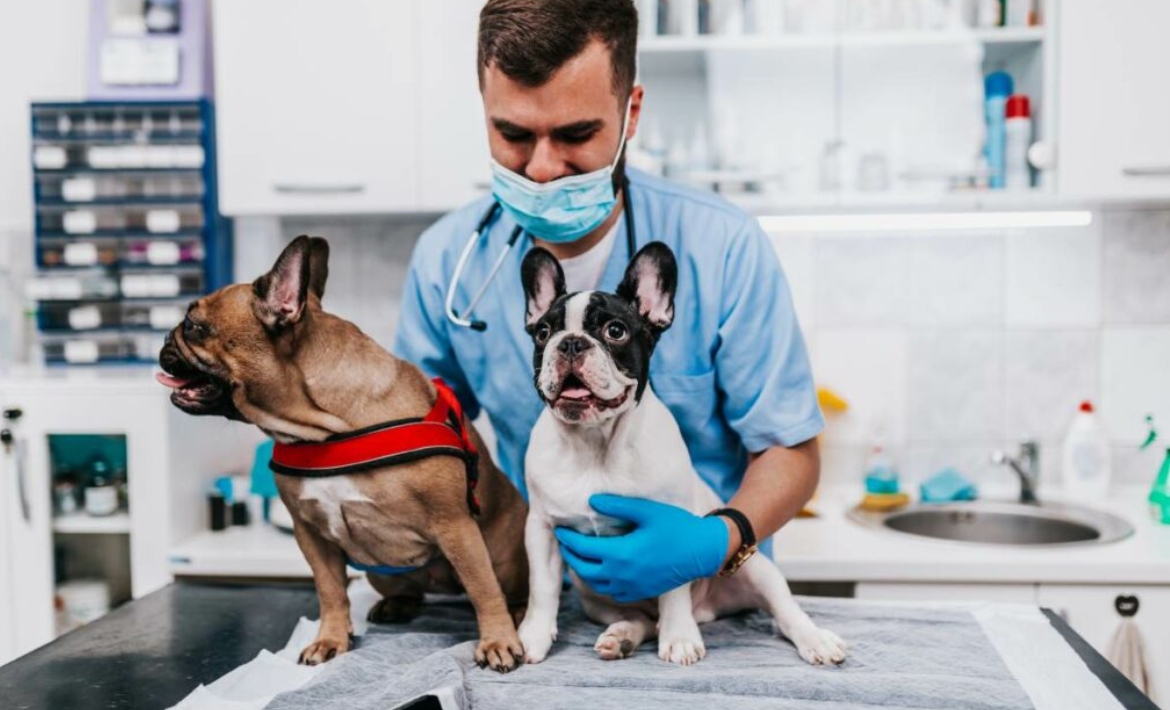
Bulldogs are built in a way that makes them easy to love and slightly harder to keep healthy than the average dog. Their anatomy creates specific vulnerabilities. Their immune systems run reactive. Their gut and skin are more connected to each other than most owners realize until something goes wrong.
None of this makes bulldogs a bad choice. It just makes them a breed that rewards informed, attentive ownership. The dogs who live well into their senior years are usually the ones whose owners caught problems early, stayed on top of routine care, and built a relationship with a vet who actually knows the breed.
Here’s a clear look at the health issues that come up most often in bulldogs, how to spot them early, and what to do about them.
Skin & Wrinkle Infections
The wrinkles that make bulldogs so recognizable are also the source of one of their most frequent health problems. Skin folds create warm, moist environments where bacteria and yeast grow quickly. If those folds aren’t cleaned and dried regularly, infections follow.
Signs to Watch For
Redness inside the folds, a sour or musty smell, discharge, and the dog rubbing their face on furniture or floors are all indicators that a fold is infected or irritated. The tail pocket, that small indentation at the base of some bulldogs’ tails, is another area that gets overlooked and becomes a problem.
Prevention
Clean every fold several times a week with a gentle grooming wipe. After bathing, make sure each fold is dried completely before the dog settles in. Moisture left in a fold in a warm environment is where the problem starts. Probiotic-based skin products applied to inflamed areas can reduce irritation and support healing.
Breeders who raise bulldogs daily know this well. The team behind BullGodz HQ emphasizes consistent wrinkle care as a baseline part of bulldog ownership, not an optional add-on.
Respiratory Issues (BOAS)
Brachycephalic Obstructive Airway Syndrome, or BOAS, affects many bulldogs to some degree. Their flat faces and shortened airways create real limitations on airflow, particularly in heat, during exercise, or under stress.
Signs to Watch For
Loud breathing at rest, rapid overheating after minimal activity, extended panting that doesn’t settle quickly, and sleep disruption from labored breathing at night. More severe presentations include blue-tinged gums, which require immediate veterinary attention.
Prevention & Management
Keep bulldogs cool in warm weather. Limit exercise during hot parts of the day. Avoid situations that cause extended excitement or stress. Some bulldogs with significant BOAS benefit from corrective surgery, particularly widening of the nares, which are the nostrils, or shortening of the soft palate. A vet with brachycephalic experience can assess the degree of restriction and advise on intervention.
Buying from a breeder who selects for structural soundness, open nares, and good airway anatomy reduces the likelihood of severe BOAS in the first place.
Joint & Mobility Issues
Hip dysplasia and elbow dysplasia occur in bulldogs with some regularity. Their compact, low-slung body puts real load on their joints over time, and extra weight makes that load significantly worse.
Signs to Watch For
Reluctance to climb stairs, difficulty rising after rest, a change in gait, or reduced activity tolerance in a dog that was previously more active. These signs tend to develop gradually, which makes them easier to miss.
Prevention
Keep your bulldog at a healthy weight. This is one of the most direct things you can do for long-term joint health. Daily fish oil supports the skin barrier and also provides anti-inflammatory support that benefits joints over time. Joint supplements with glucosamine and turmeric are commonly used in the breed and have a reasonable amount of support behind them for long-term use.
Regular vet assessments that include evaluation of gait and joint mobility catch issues earlier than waiting for symptoms to become obvious.
Ear Infections
Bulldogs get ear infections more often than most breeds. Their ear canal anatomy creates conditions where moisture, debris, and yeast accumulate quickly. Allergies compound the problem by increasing inflammation in the ear canal.
Signs to Watch For
Head shaking, scratching at the ears, redness in the visible part of the canal, a smell, and dark or excessive debris during cleaning. A dog that flinches when you touch their ear or tilts their head persistently is showing you something that needs attention.
Prevention
Clean the ears every one to two weeks using a dog-specific ear cleaner. Probiotic ear cleaners address the microbial balance in the canal rather than just removing debris. Never insert anything into the canal itself. If infections are recurring despite regular cleaning, an allergy evaluation is worth pursuing because many bulldog ear issues trace back to food or environmental sensitivities.
Digestive Issues
Bulldogs are prone to flatulence, which is well-documented and widely accepted as part of the experience. They’re also prone to more serious digestive issues including food sensitivities, inflammatory bowel responses, and loose stool that doesn’t resolve on its own.
Signs to Watch For
Chronic loose stool, vomiting that happens more than occasionally, significant bloating, and dietary reactions that track with specific ingredients.
Prevention
Diet quality matters significantly in this breed. Feeding a high-quality diet with a limited ingredient list, avoiding known trigger proteins like chicken in sensitive dogs, and adding a daily probiotic supports gut health in a meaningful way. Pumpkin powder is a gentle, practical addition for dogs who deal with ongoing stool inconsistency.
Build a Relationship With a Vet Who Knows the Breed
The most important thing you can do for a bulldog health problems is find a veterinarian who has real experience with brachycephalic breeds. General practice vets are capable, but a vet who sees bulldogs regularly will pick up on breed-specific indicators faster and be more confident advising on surgery thresholds, supplement protocols, and allergy management.
Annual wellness exams, weight checks, and dental evaluations catch small problems before they become expensive and painful ones.
Bulldogs live well when the people around them pay attention. That’s less a burden than it sounds. Once you know what to look for, you just look, every day, and act on what you find.
About the Author