


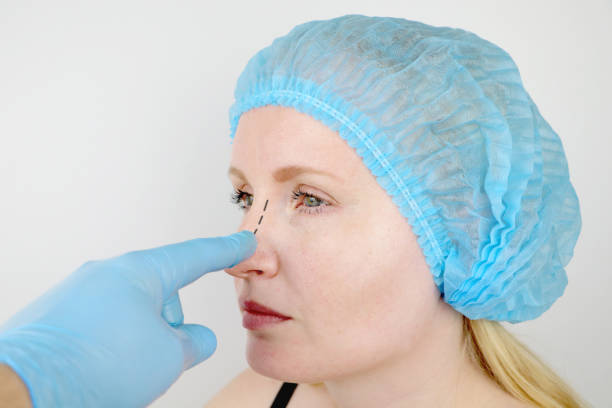
Rhinoplasty is a popular surgical procedure designed to reshape the nose for aesthetic enhancement, functional improvement, or both. While much attention is given to the surgical technique and desired outcomes, the type of skin covering the nose plays a crucial role in determining how the procedure heals and what the final appearance will be. Rhinoplasty in Abu Dhabi is often chosen for its access to experienced surgeons who consider individual skin characteristics when planning the procedure. Understanding how skin type affects rhinoplasty suitability is essential for realistic expectations and optimal results.
The Role of Skin in Rhinoplasty
The skin of the nose acts as a natural cover for the underlying bone and cartilage. Its thickness, elasticity, and texture influence how changes to the nasal structure are reflected externally. During rhinoplasty, the surgeon reshapes the underlying framework, and the skin must adapt smoothly to these modifications.
Skin characteristics affect how well the contours of the nose show after surgery. Thin skin can highlight fine structural details, while thicker skin may obscure subtle refinements. Elasticity plays a role in how quickly the skin contracts around the new shape, impacting the healing timeline and the definition of results.
Thin Skin and Rhinoplasty
Thin nasal skin typically reveals more detail of the underlying bone and cartilage, which can enhance the visibility of precise refinements. Patients with thin skin often experience more defined nasal contours after surgery.
However, thin skin may also be more prone to showing minor irregularities or asymmetries. Careful surgical planning and delicate handling of tissues are critical to achieving smooth, natural-looking results. Despite these considerations, rhinoplasty is generally suitable for individuals with thin skin when proper technique is employed.
Thick Skin and Rhinoplasty
Thick nasal skin can mask underlying structural changes, making subtle refinements less visible initially. Patients with thicker skin may notice that minor adjustments are not immediately apparent, particularly in the tip area.
While thicker skin presents unique challenges, it is still suitable for rhinoplasty. Surgeons may use specific techniques to enhance tip definition or reduce the overall bulk of the nose, ensuring harmonious results. Patience is key, as thick skin often requires more time to contract and reveal the final shape fully.
Oily or Combination Skin
Oily or combination skin does not prevent rhinoplasty but can influence postoperative care. Proper cleansing and gentle care of the nasal area help maintain healthy skin during the healing process.
Maintaining a consistent skincare routine can support smooth recovery and reduce issues such as minor breakouts or congestion around the surgical site. Rhinoplasty outcomes are generally unaffected by the natural oiliness of the skin when postoperative care guidelines are followed.
Dry Skin Considerations
Dry nasal skin may require additional care to maintain hydration and elasticity during healing. While dry skin does not limit the ability to undergo rhinoplasty, ensuring adequate moisturization and avoiding irritation is beneficial.
Hydrated skin adapts more readily to changes in the nasal structure, supporting smoother contours and a more refined final appearance. Attention to skin health before and after surgery helps optimize results regardless of skin type.
Ethnic and Skin Variations
Different ethnic backgrounds often present variations in skin thickness, texture, and elasticity. These differences influence how rhinoplasty procedures are planned and executed. Surgeons account for these variations to maintain natural facial harmony and achieve aesthetically pleasing outcomes.
Rhinoplasty can be customized for a wide range of skin types and ethnic characteristics. Tailored techniques ensure that the procedure respects individual features while providing balance and proportion.
Age and Skin Elasticity
Age can affect skin elasticity, which influences how well the skin conforms to changes made during rhinoplasty. Younger skin generally adapts more easily, while older skin may take longer to contract around the new structure.
Regardless of age, rhinoplasty can be successful when surgical planning considers skin characteristics. Proper technique and postoperative care help achieve smooth, natural results in both younger and older patients.
Preparing Skin for Surgery
Maintaining healthy skin prior to rhinoplasty can support better outcomes. Keeping the nasal skin clean, hydrated, and free from irritation helps the tissues respond to surgical changes.
Avoiding harsh treatments or procedures immediately before surgery ensures that the skin is resilient and ready to accommodate the reshaped framework. A focus on overall skin health contributes to smoother healing and enhanced results.
Postoperative Skin Care
After rhinoplasty, gentle care of the nasal skin supports healing and final outcomes. Swelling and bruising are common, and proper care helps prevent unnecessary irritation or complications.
Patients should follow recommended cleaning routines, avoid excessive pressure on the nose, and maintain hydration. Attention to skin during the recovery phase aids in revealing the contours and refinements achieved through surgery.
Conclusion
Rhinoplasty is suitable for all skin types, including thin, thick, oily, dry, and combination skin. While skin characteristics influence how results are revealed and how the healing process unfolds, careful surgical planning and proper postoperative care allow successful outcomes across diverse skin types.
Understanding the role of skin thickness, elasticity, and texture helps patients set realistic expectations and supports satisfaction with the final results. With individualized planning, rhinoplasty can enhance appearance and function while accommodating the unique characteristics of every patient’s skin.
FAQs
Can all skin types undergo rhinoplasty
Yes, rhinoplasty is suitable for all skin types, with adjustments in technique to accommodate specific characteristics.
How does thin skin affect results
Thin skin highlights structural refinements but may show minor irregularities, requiring careful surgical handling.
Does thick skin limit rhinoplasty outcomes
Thick skin may obscure subtle changes initially, but techniques can enhance definition, and final results become visible over time.
How does oily or combination skin influence recovery
Oily or combination skin does not affect surgical outcomes but requires gentle care to maintain healthy healing.
What should patients with dry skin do before surgery
Hydrating and maintaining healthy skin prior to surgery helps improve elasticity and adaptation to nasal changes.
Does age impact skin suitability for rhinoplasty
Age affects elasticity, but careful surgical planning ensures successful results across different age groups.
Are ethnic variations considered in rhinoplasty
Yes, skin thickness, texture, and facial features associated with ethnic background are considered for natural, harmonious results.
About the Author