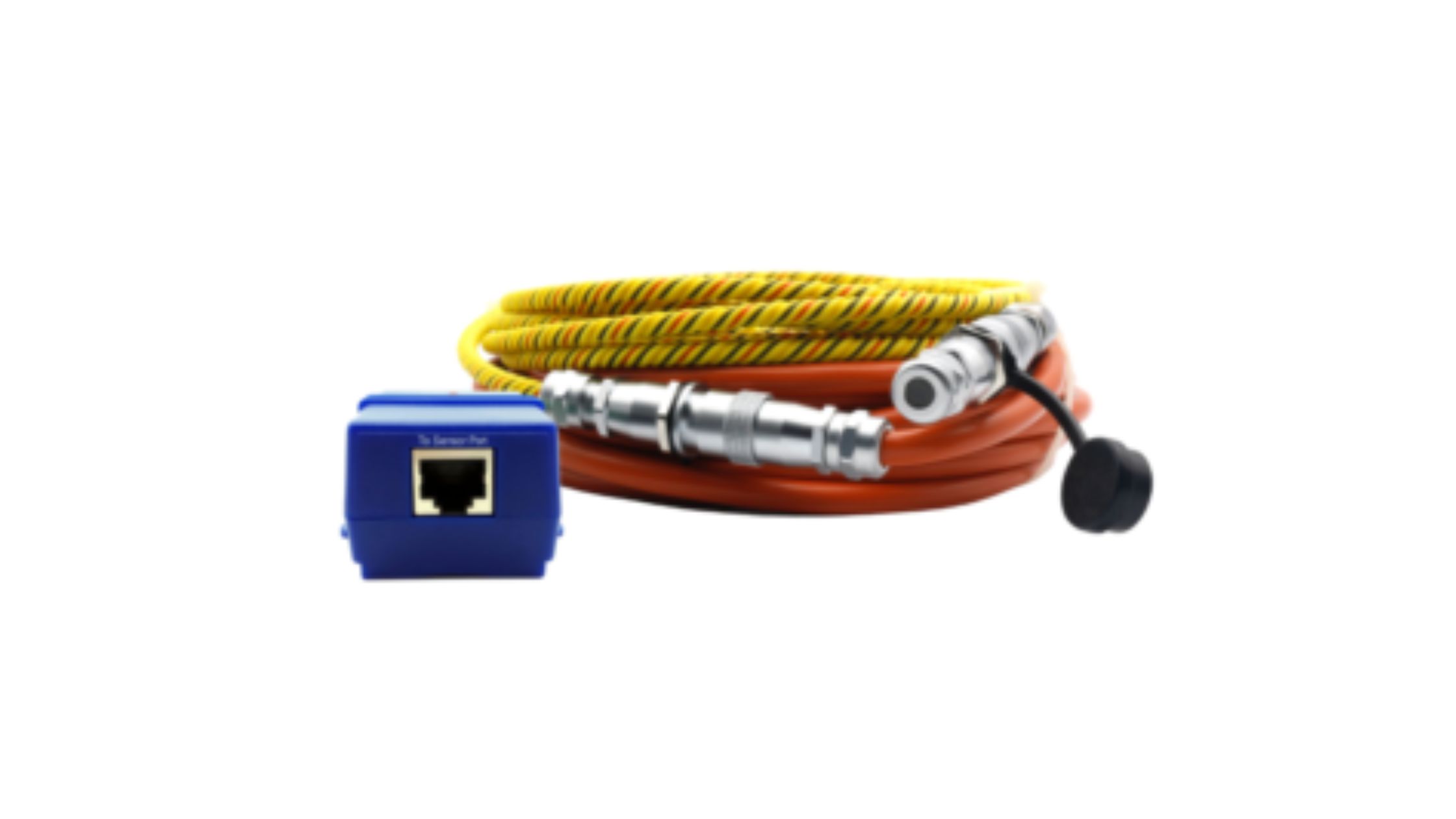
Water leaks aren’t just annoying—they can cause serious structural problems, mold, and costly repairs. Modern leak detection devices are now commonplace in both residential and commercial properties; they help identify the exact locations of leaks, which, over time, will prevent small problems from becoming significant issues. These devices protect essential infrastructure, save money, and safeguard water by detecting leaks early.
Leak detection devices utilize various technologies depending on the type of monitoring required. Acoustic sensors are “listening” for the faint sounds of pipes losing water, and pressure sensors look for sudden drops or fluctuations that suggest a leak. Other advanced devices apply flow analytics to monitor water usage patterns in real time, identifying usage inconsistencies that signal concealed leaks. Integrating these systems into plumbing networks enables real-time surveillance, ensuring that even hard-to-reach or hidden pipes remain monitored.

Leak detection devices don’t just help prevent damage. By detecting leaks earlier, wasteful water usage is reduced, assisting with conservation efforts while helping organizations achieve green building certification. For facilities with high water consumption, such as industrial plants or large residential complexes, these devices can improve efficiency in both water and operational costs. They enable maintenance teams to respond quickly with immediate alerts, preventing massive water loss and expensive repairs.
Leak detection devices have financial benefits beyond the savings from fewer gallons of water lost. Preventing structural damage and expensive repairs could lead to fewer claims on insurance policies, which also drives up its costs. Most systems can also interface with building management systems, offering a complete picture of both water and energy use. This connectivity helps facility managers to more effectively schedule maintenance, identify potential vulnerabilities before they turn critical, and plan infrastructure upgrades.
Leak detection devices are typically very easy to maintain and operate. It requires minor maintenance, like battery replacement now and then, calibration checks, etc., whereas the IoT-enabled versions can be remotely monitored via mobile/web application. Advanced new models, for example, can draw on predictive analytics—sifting through historical data and pipe conditions to predict potential leaks. This proactive insight enables property owners to take potential preventative measures, further enhancing system reliability and longevity of plumbing infrastructure systems.
Wrapping it up, Leak Detection Devices can no longer remain an optional choice – they are the most powerful answer to modern water management and the need of the hour for infrastructure security. They work seamlessly in governing the water consumption, whether to avoid additional repair costs or save water flowing into their homes, as given below, which explains one of the benefits of these devices for applications in both residential and commercial settings. With modern technological advancements, implementing intelligent leak detection into building systems will prove to be more crucial than ever, ensuring that safety and efficient waste management are at the forefront of infrastructure.
Brian Brown is the author of this article. For more details about Environmental Monitoring, please visit our website: enviromon.net.
About the Author