

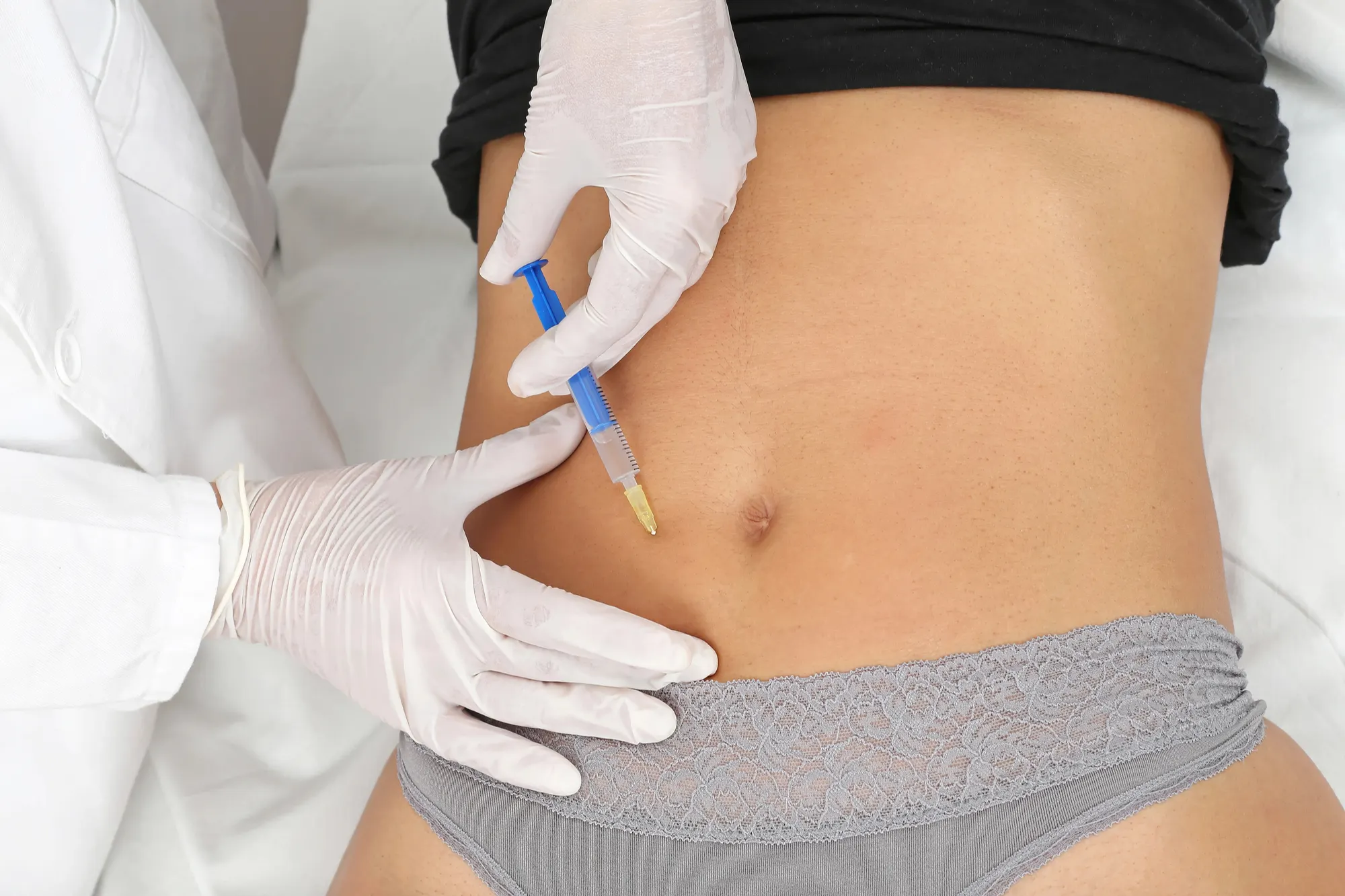
Body contouring has evolved significantly over the last decade, offering individuals various ways to address stubborn pockets of localized fat that resist traditional diet and exercise. Among the most popular non-surgical options are Fat Melting Injections in Abu Dhabi, which have gained traction for their ability to refine the silhouette without the need for extensive downtime. While traditional methods like liposuction remain a staple in the industry, the shift toward minimally invasive procedures reflects a growing desire for convenience and subtle, natural-looking results.
- The landscape of body contouring is shifting toward non-surgical alternatives.
- Localized fat deposits often require targeted interventions beyond diet and exercise.
- Non-invasive treatments offer a balance between efficacy and recovery time.
Understanding the Mechanism of Fat Melting Injections
Fat melting injections, often referred to as intralipotherapy or injection lipolysis, utilize specialized compounds to break down fat cells in targeted areas. The primary ingredient in many of these formulations is deoxycholic acid, a naturally occurring molecule in the body that aids in the breakdown and absorption of dietary fat. When injected into the subcutaneous fat layer, the solution disrupts the cell membrane of the adipocytes (fat cells).
Once the fat cells are neutralized, the body’s lymphatic system takes over. Over several weeks, the metabolic process naturally flushes out the released lipids, leading to a visible reduction in the thickness of the fat layer. This process is gradual, allowing the skin to adapt to the new contours of the body.
How the Body Processes Liquid Lipolysis
The biological response to these injections is a controlled inflammatory reaction. This is a necessary part of the treatment, as it signals the body to clear away the cellular debris. Because the fat cells are physically destroyed and removed, the results are considered long-lasting, provided the individual maintains a stable weight.
Target Areas for Treatment
These injections are most effective for small, localized areas rather than large-scale weight loss. Common treatment zones include:
- Submental fat (the area under the chin).
- The “love handles” or flanks.
- Small pockets on the abdomen or inner thighs.
- Bra fat or back folds.
Comparing Fat Melting Injections and Liposuction
The debate between injectable treatments and surgical liposuction often comes down to the patient’s specific goals and their tolerance for recovery. Both methods aim to remove fat permanently, but they operate on entirely different scales of intensity.
The Non-Surgical Advantage
The most significant appeal of injections is the lack of surgery. There are no incisions, no general anesthesia, and no sutures required. For individuals with busy lifestyles, the ability to return to daily activities almost immediately is a deciding factor. Unlike surgery, which requires significant preparation and post-operative care, injections are performed in a relatively short session.
Surgical Precision and Volume
Liposuction, on the other hand, is a surgical procedure that involves the physical suction of fat through a cannula. It is superior for removing larger volumes of fat in a single session. While injections might require multiple rounds to achieve a specific look, liposuction offers a more immediate and dramatic transformation. However, this comes with the trade-off of a more intensive recovery period and the inherent complexities of surgery.
The Procedure Experience: What to Expect
Undergoing a body contouring treatment with injections is a straightforward process. It begins with a thorough assessment of the anatomy to ensure the fat is subcutaneous (pinchable) rather than visceral (around the organs). Once the target area is mapped out, a series of small injections are administered in a grid-like pattern to ensure even distribution of the formula.
Duration and Sensation
A typical session lasts between 15 to 30 minutes depending on the size of the area being treated. Most patients describe the sensation as a mild tingling or a feeling of pressure. Because the needles used are very fine, the discomfort is generally well-managed.
The Role of Consistency
One of the most important aspects of non-surgical fat reduction is patience. Results are rarely “one and done.” Most practitioners recommend a series of sessions spaced several weeks apart. This allows the body sufficient time to metabolize the fat from the previous session before more is treated, ensuring a smooth and contoured finish.
Factors Influencing Treatment Efficacy
Not everyone is an ideal candidate for fat melting injections. The success of the treatment depends heavily on the quality of the skin and the nature of the fat deposits.
Skin Elasticity
For any fat reduction treatment to look its best, the overlying skin must have enough elasticity to “snap back” once the volume underneath is reduced. If there is significant skin laxity or sagging, fat removal—whether by injection or surgery—might result in a deflated appearance. In such cases, a combination of fat melting and skin tightening treatments may be recommended.
Lifestyle and Maintenance
While the destruction of fat cells is permanent, the remaining cells in the area can still expand if an individual gains weight. Therefore, these treatments are best viewed as a “finishing touch” for those who are already close to their goal weight and are committed to a healthy lifestyle.
Common Questions Regarding Fat Dissolving
As with any aesthetic procedure, there are several nuances that patients often inquire about. Understanding the timeline and the biological impact is key to setting realistic expectations.
Recovery and Aftercare
After a session, it is normal to experience some localized swelling or redness. This is actually a sign that the formula is working and that the body is initiating the removal process. Most people can go back to work the same day, though avoiding strenuous exercise for 24 to 48 hours is often suggested to allow the initial swelling to subside.
Expected Timeline for Results
The “melting” process is not instantaneous. Most patients begin to see a change in their silhouette after the second or third session, with the final results manifesting about two to three months after the last treatment. This gradual change is often preferred by those who want to keep their aesthetic enhancements private, as it looks like a natural result of fitness efforts.
Reference and Guidance
For those seeking professional guidance on these treatments, consulting with established experts in the field is essential. Institutions such as the Enfield Royal Clinic Abu Dhabi provide the necessary expertise to evaluate whether non-surgical or surgical options are best suited for a patient’s unique physiological profile.
Frequently Asked Questions
1. Are the results of fat melting injections permanent?
Yes, the fat cells that are destroyed during the process are permanently removed from the body. However, to maintain the new contour, it is vital to prevent the remaining fat cells in the surrounding areas from enlarging through a balanced diet and regular physical activity.
2. How many sessions are typically required?
The number of sessions varies depending on the thickness of the fat layer and the desired outcome. On average, most people require between 3 to 6 sessions, spaced roughly 4 to 6 weeks apart, to achieve optimal results.
3. Can these injections be used for weight loss?
No, fat melting injections are specifically designed for body contouring and the removal of stubborn, localized fat pockets. They are not a substitute for weight loss or a solution for obesity. They work best on individuals who are at or near their ideal body weight.
4. Is there any downtime associated with the treatment?
There is minimal downtime. Most patients experience some swelling, which can last for a few days, but this rarely interferes with daily tasks or professional responsibilities. Most people return to their normal routine immediately after leaving the session.
About the Author