


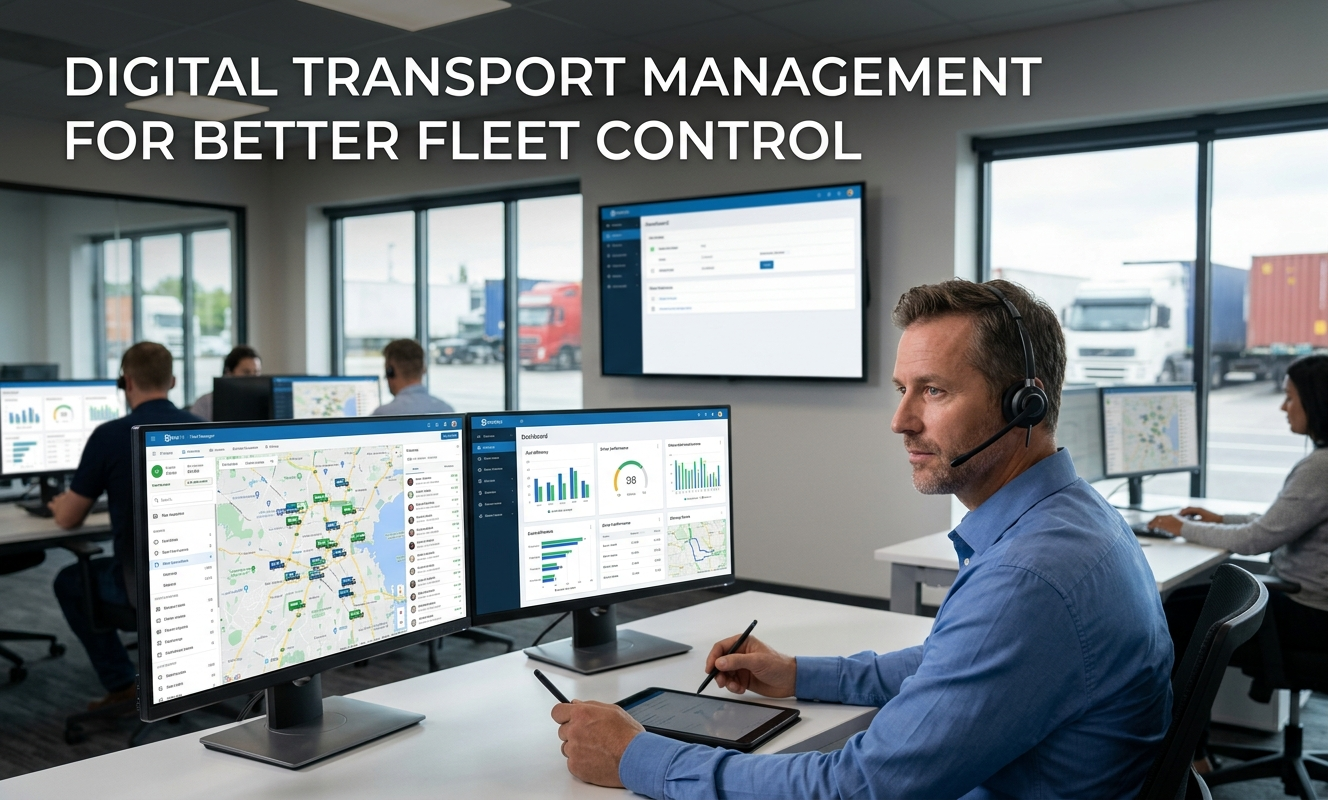
In today’s fast-paced logistics environment, businesses are under constant pressure to deliver faster, safer, and more efficiently. Traditional fleet handling methods are no longer sufficient to meet modern demands. This is where digital transport management steps in as a game-changing solution.
Digital transport management integrates advanced technologies such as real-time tracking, automation, and data analytics to streamline fleet operations. From small logistics providers to large transport management companies, organizations are leveraging these systems to gain better control over their fleets and improve overall performance.
What is Digital Transport Management?
Digital transport management refers to the use of software platforms and digital tools to monitor, manage, and optimize transportation operations. It provides a centralized system that connects vehicles, drivers, routes, and logistics data in real time.
Key Features Include:
- Real-time vehicle tracking
- Route optimization tools
- Automated scheduling and dispatch
- Fuel consumption monitoring
- Maintenance alerts and reporting
By using these features, businesses can make smarter decisions and reduce operational inefficiencies.
Why Fleet Control Matters in Modern Logistics
Fleet control is the backbone of any logistics operation. Without proper management, companies may face delays, increased costs, and reduced customer satisfaction.
Common Challenges Without Digital Systems:
- Lack of visibility into vehicle locations
- Inefficient route planning
- Higher fuel consumption
- Poor communication between drivers and managers
- Increased risk of vehicle downtime
Digital transport management solves these issues by providing accurate data and actionable insights.
Benefits of Digital Transport Management
Implementing digital solutions can transform how fleets are managed. Below are the major benefits:
1. Real-Time Visibility
With GPS tracking and integrated dashboards, managers can monitor every vehicle in real time. This allows quick responses to delays, route changes, or emergencies.
2. Improved Route Optimization
Advanced algorithms analyze traffic, weather, and road conditions to suggest the most efficient routes. This reduces travel time and fuel costs.
3. Enhanced Driver Performance
Digital systems track driver behavior such as speed, braking, and idle time. This helps in:
- Improving safety standards
- Reducing accidents
- Encouraging responsible driving habits
4. Cost Reduction
By optimizing routes and monitoring fuel usage, businesses can significantly cut operational expenses. Maintenance alerts also help prevent costly breakdowns.
5. Better Customer Satisfaction
Accurate delivery timelines and real-time updates improve customer trust and satisfaction. Clients appreciate transparency and reliability.
Role of Transport Management Companies
Many businesses rely on professional transport management companies to handle their logistics operations efficiently. These companies use advanced digital tools to manage fleets on behalf of their clients.
How They Add Value:
- Provide expert fleet management solutions
- Use data-driven strategies for optimization
- Offer scalable services for growing businesses
- Ensure compliance with industry regulations
By partnering with experienced providers, businesses can focus on their core operations while ensuring smooth transportation processes.
Case Example: Innovation in Fleet Management
A growing logistics firm like Transit Fleet Ltd has embraced digital transport management to enhance its fleet control. By implementing smart tracking systems and automation tools, the company has achieved:
- Reduced delivery times
- Lower fuel consumption
- Improved driver accountability
- Enhanced operational efficiency
This example highlights how adopting digital solutions can lead to measurable business success.
Key Technologies Powering Digital Transport Management
Modern fleet management relies on a combination of technologies that work together to provide seamless control.
1. GPS and Telematics
These technologies provide real-time tracking and vehicle diagnostics, helping managers monitor performance and location.
2. Cloud-Based Platforms
Cloud systems allow access to data from anywhere, enabling remote management and real-time updates.
3. Artificial Intelligence (AI)
AI helps in predictive analysis, route optimization, and demand forecasting, making operations smarter and more efficient.
4. Internet of Things (IoT)
IoT devices collect data from vehicles and sensors, providing insights into fuel usage, engine health, and driver behavior.
Best Practices for Effective Fleet Control
To maximize the benefits of digital transport management, businesses should follow these best practices:
Implement Data-Driven Decision Making
Use analytics to identify trends and improve operations rather than relying on guesswork.
Train Your Team
Ensure drivers and managers are trained to use digital tools effectively.
Monitor Performance Regularly
Track key performance indicators (KPIs) such as fuel efficiency, delivery time, and vehicle utilization.
Maintain Your Fleet
Schedule regular maintenance using automated alerts to prevent unexpected breakdowns.
Focus on Scalability
Choose systems that can grow with your business and adapt to future needs.
Challenges in Digital Adoption
While digital transport management offers numerous benefits, some challenges may arise during implementation.
Common Issues:
- High initial investment
- Resistance to change from staff
- Integration with existing systems
- Data security concerns
However, with proper planning and training, these challenges can be effectively managed.
The Future of Fleet Control
The future of transport management is increasingly digital. Innovations such as autonomous vehicles, blockchain technology, and advanced AI are set to redefine logistics operations.
Emerging Trends:
- Autonomous fleet management
- Predictive maintenance using AI
- Blockchain for secure data sharing
- Green logistics and sustainability initiatives
Businesses that adopt these technologies early will gain a competitive advantage in the market.
Conclusion
Digital transport management is no longer a luxury—it is a necessity for businesses aiming to stay competitive in today’s logistics landscape. By leveraging advanced tools and technologies, companies can achieve better fleet control, reduce costs, and improve overall efficiency.
From small operators to large transport management companies, the shift toward digital solutions is transforming the industry. As demonstrated by companies like Transit Fleet Ltd, embracing innovation leads to measurable improvements and long-term success.
Investing in digital transport management today ensures a smarter, more efficient, and future-ready fleet for tomorrow.
About the Author