



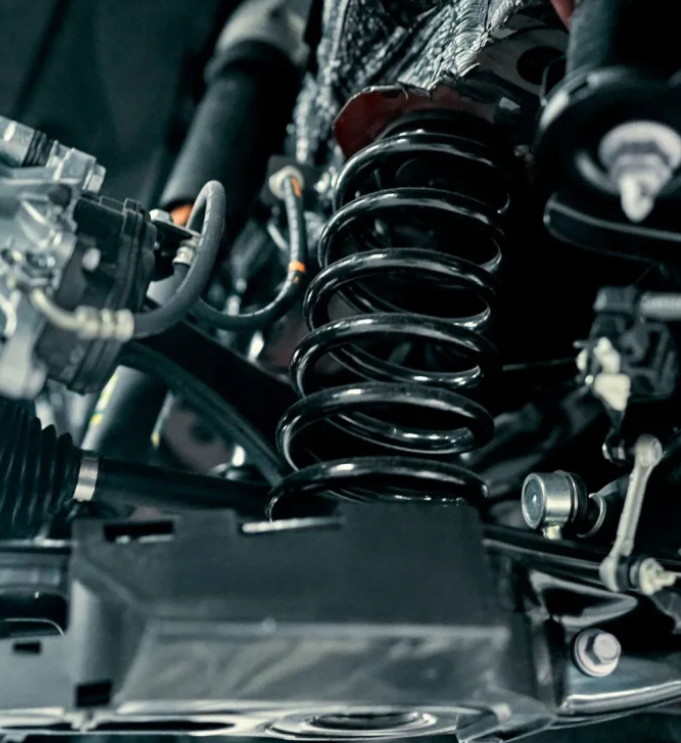
A smooth and stable ride is something every driver expects, yet it often depends on a component that rarely gets attention—the suspension system. Regular car suspension repair and maintenance play a crucial role in ensuring your vehicle handles well, absorbs road shocks, and keeps you safe on every journey. Whether you’re driving on highways or uneven city roads, a well-maintained suspension system directly impacts your comfort, control, and overall driving experience.
Understanding the Role of the Suspension System
Your car’s suspension system is more than just springs and shock absorbers. It is a complex network of components including struts, control arms, bushings, and linkages that work together to support the vehicle’s weight and manage road impact. This system ensures that your tires maintain proper contact with the road surface, which is essential for steering, braking, and stability.
When suspension components function properly, they reduce the impact of bumps and vibrations, giving you a smoother ride. However, when these parts begin to wear out, the entire driving experience becomes less comfortable and significantly less safe.
How Suspension Maintenance Enhances Driving Comfort
1. Reduced Road Vibrations
One of the most noticeable benefits of regular suspension maintenance is the reduction of vibrations. Worn-out shock absorbers or struts fail to absorb road irregularities, causing the vehicle to shake or bounce excessively. Routine inspections help identify these issues early, ensuring that your ride remains smooth and controlled.
2. Improved Ride Quality
A well-maintained suspension system provides better ride quality by distributing weight evenly across all four wheels. This balance prevents excessive jolting and ensures passengers experience minimal discomfort, even on rough roads.
3. Better Handling on Different Terrains
Driving conditions can vary widely, from smooth highways to pothole-filled streets. A properly functioning suspension system adapts to these changes, allowing your vehicle to handle turns and uneven surfaces with ease. Regular maintenance ensures that all components are working in harmony to provide consistent handling.
The Safety Benefits of Regular Suspension Maintenance
1. Enhanced Braking Performance
Your suspension system plays a critical role in braking. When suspension components are worn, the tires may lose consistent contact with the road, increasing stopping distances. Maintaining your suspension helps ensure that your brakes perform effectively in both dry and wet conditions.
2. Improved Steering Control
Loose or damaged suspension parts can make steering feel unstable or unresponsive. This can be dangerous, especially at higher speeds or during sudden maneuvers. Regular checks and timely repairs keep the steering precise and predictable.
3. Increased Tire Longevity
Uneven tire wear is often a sign of suspension problems. Misaligned or worn components can cause certain areas of the tire to wear out faster than others. Proper maintenance not only extends tire life but also ensures better traction and safety.
4. Stability During Emergency Situations
In situations where you need to brake suddenly or avoid an obstacle, your suspension system plays a vital role in keeping the vehicle stable. A well-maintained suspension minimizes body roll and keeps the car balanced, reducing the risk of losing control.
Common Signs Your Suspension Needs Attention
Recognizing early warning signs can save you from costly repairs and unsafe driving conditions. Here are some indicators that your suspension system may need maintenance:
- Excessive bouncing after hitting a bump
- Uneven or rapid tire wear
- Pulling to one side while driving
- Nose-diving when braking
- Clunking or knocking noises from underneath
- Difficulty steering or a loose steering feel
Ignoring these signs can lead to more severe damage and compromise your safety on the road.
Key Components That Require Regular Inspection
Shock Absorbers and Struts
These components are responsible for controlling the movement of your vehicle’s springs. Over time, they can lose their effectiveness due to wear and tear. Regular inspection ensures they are functioning properly and providing the necessary damping.
Springs
Springs support the weight of the vehicle and absorb large impacts. While they are durable, they can weaken or break over time, especially under heavy loads or harsh driving conditions.
Control Arms and Bushings
Control arms connect the wheels to the vehicle’s frame, while bushings provide cushioning and reduce friction. Worn bushings can lead to noise and poor handling, making them an important part of routine maintenance.
Ball Joints
Ball joints allow for smooth movement between suspension components. When they wear out, they can affect steering and stability, making timely replacement essential.
How Often Should You Service Your Suspension?
There is no one-size-fits-all answer, as the frequency of suspension maintenance depends on driving habits, road conditions, and vehicle type. However, a general guideline is to have your suspension system inspected every 20,000 to 30,000 kilometers or during routine service visits.
If you frequently drive on rough or uneven roads, more frequent inspections may be necessary. Paying attention to changes in your vehicle’s performance can also help determine when maintenance is needed.
The Long-Term Benefits of Preventive Maintenance
Lower Repair Costs
Addressing minor issues early prevents them from turning into major problems. Replacing a worn bushing is far less expensive than repairing multiple damaged components caused by neglect.
Better Fuel Efficiency
A faulty suspension can increase rolling resistance, making your engine work harder and consume more fuel. Maintaining your suspension system helps improve overall efficiency.
Increased Vehicle Lifespan
Regular maintenance ensures that all components function optimally, reducing strain on other parts of the vehicle. This contributes to a longer lifespan and better resale value.
Consistent Driving Experience
A well-maintained suspension system ensures that your vehicle performs consistently, providing a reliable and enjoyable driving experience over time.
Practical Tips to Maintain Your Suspension System
- Avoid driving over potholes and speed bumps at high speeds
- Keep your tires properly inflated and aligned
- Reduce carrying unnecessary heavy loads
- Schedule regular vehicle inspections
- Pay attention to unusual sounds or changes in handling
Simple habits like these can go a long way in preserving the health of your suspension system.
Why Professional Inspection Matters
While some signs of suspension issues are easy to notice, many problems can only be detected through a detailed inspection. Professional mechanics use specialized tools and expertise to assess the condition of each component and recommend necessary repairs.
Regular servicing at a trusted workshop ensures that your suspension system remains in optimal condition, helping you avoid unexpected breakdowns and costly repairs.
Final Thoughts
Regular suspension maintenance is not just about comfort—it is a critical aspect of vehicle safety and performance. From improving ride quality to enhancing braking and steering control, a well-maintained suspension system ensures a safer and more enjoyable driving experience.
Neglecting suspension issues can lead to increased wear on other components, reduced vehicle stability, and higher expenses over time. Staying proactive with inspections and timely repairs helps you maintain control on the road while protecting your investment. Ultimately, understanding the importance of upkeep can also help you manage your overall suspension repair cost more effectively.
About the Author