



Inline mixers have become an important part of modern industrial systems where precise mixing is required without interrupting the flow. These systems are designed to mix fluids directly within pipelines, ensuring consistent results across various operations. Industries such as oil and gas, chemicals, and water treatment depend heavily on efficient mixing solutions to maintain process stability. Inline mixers provide a practical approach to achieving uniform mixing while reducing operational complexity. This guide explains their working, importance, and the reasons they are widely used across industries today.
What Are Inline Mixers
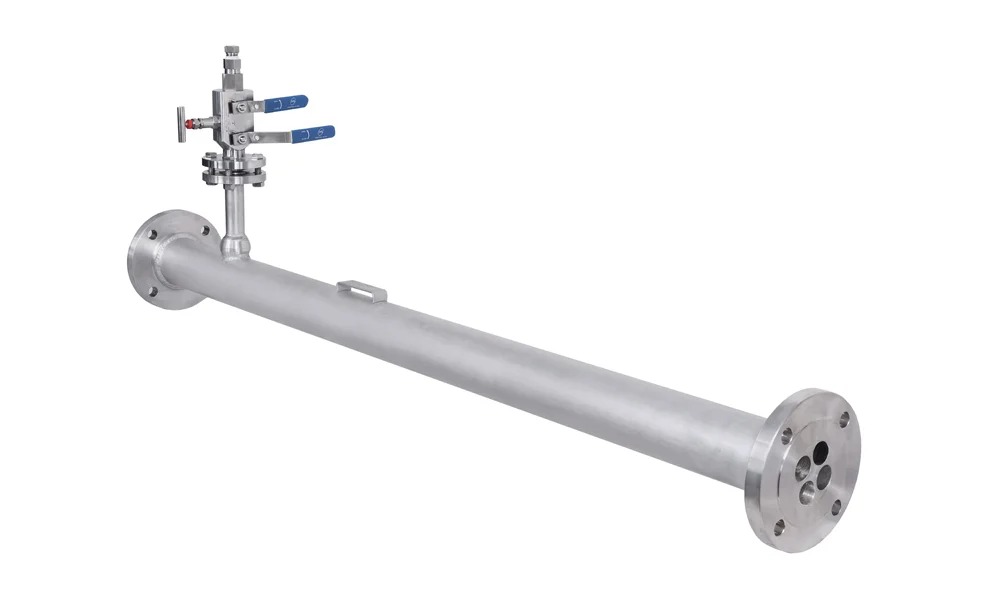
Inline mixers, including an inline static mixer, are devices installed within pipelines to blend two or more fluids as they flow through the system. Unlike traditional mixing methods, they do not require separate tanks or additional equipment.
Their main purpose is to ensure:
- Uniform mixing of fluids
- Continuous processing without interruption
- Efficient use of space and resources
These mixers are commonly used where maintaining a consistent mixture is critical for process performance.
How Inline Mixers Work
Basic Working Principle
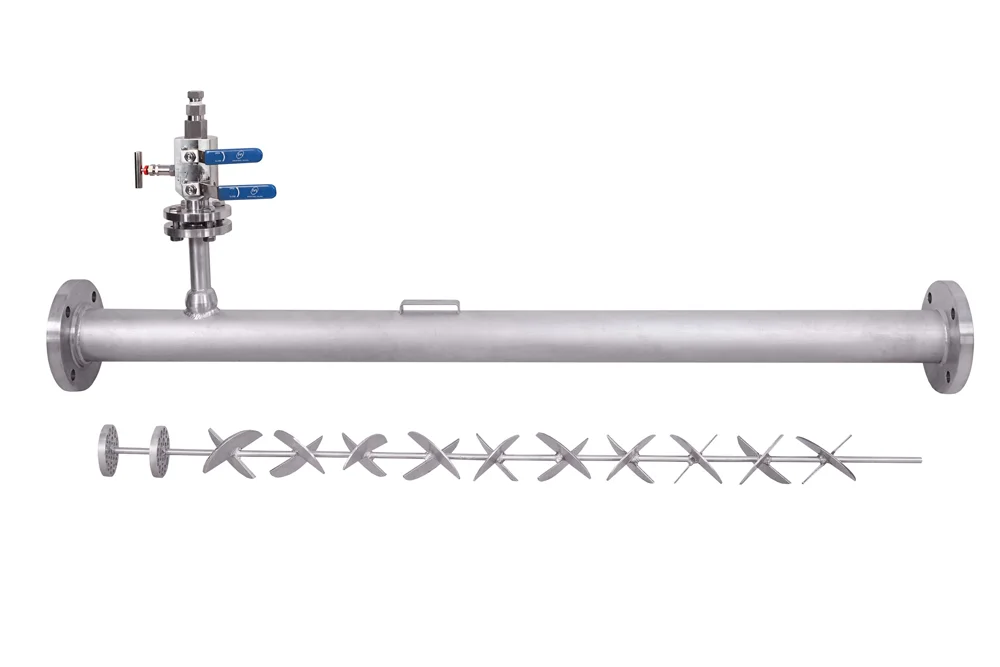
Inline mixers operate by forcing fluids through specially designed internal elements that create turbulence. This turbulence allows fluids to combine effectively without the need for moving parts in many designs.
Flow and Mixing Mechanism
As fluids pass through the mixer:
- The flow is divided into multiple layers
- These layers are repeatedly split and recombined
- This process ensures uniform distribution
The design ensures that mixing occurs continuously as part of the flow process.
Key Components of Inline Mixers
Inline mixers consist of several essential components that contribute to their performance:
- Mixing Elements: These are internal structures that create turbulence and facilitate mixing
- Housing: The outer body that holds the mixing elements and connects to pipelines
- Flow Channels: Pathways that guide fluid movement and ensure proper interaction
Each component plays a role in achieving efficient and consistent mixing.
Types of Inline Mixers
Inline mixers are available in different types depending on industrial requirements:
Static Mixers
These mixers do not have moving parts and rely on fixed internal elements. They are widely used due to their low maintenance requirements.
Dynamic Mixers
These mixers use rotating components to enhance mixing, especially in complex applications.
Application-Based Variations
Different industries require specific designs based on:
- Fluid properties
- Flow conditions
- Process requirements
Why Inline Mixers Are Needed in Industry
Inline mixers are essential in industries where consistency and efficiency are critical.
They are needed for:
- Maintaining uniform product quality
- Reducing operational costs
- Minimising manual intervention
- Improving process reliability
By integrating mixing into the flow system, industries can achieve better control over their processes.
Role of Inline Mixers in Industrial Applications
Inline mixers are widely used across multiple industries:
Oil and Gas Industry
Used for blending chemicals and maintaining flow consistency in pipelines.
Chemical Processing
Ensures proper mixing of reactive substances for stable output.
Water Treatment
Helps in distributing treatment chemicals evenly across the system.
Their ability to operate continuously makes them suitable for demanding industrial environments.
Inline Mixers vs Traditional Mixing Methods
| Feature | Inline Mixers | Traditional Mixers |
| Installation | Within pipeline | Separate equipment |
| Space Requirement | Low | High |
| Energy Consumption | Lower | Higher |
| Maintenance | Minimal | Moderate |
| Process Continuity | Continuous | Batch-based |
Inline mixers offer a more streamlined approach compared to conventional methods.
Factors Affecting Inline Mixer Performance
Several factors influence the efficiency of inline mixers:
- Flow Rate: Higher or lower flow rates impact mixing quality
- Fluid Properties: Viscosity and density affect performance
- Design Configuration: Proper design ensures optimal results
Understanding these factors helps in selecting the right mixer for specific applications.
Integration with Flow Measurement Systems
Inline mixers often work alongside measurement devices to ensure accurate process control. Systems such as an inline static mixer are commonly paired with monitoring tools to maintain consistency.
Accurate flow measurement is important to:
- Maintain proper mixing ratios
- Ensure system efficiency
- Avoid operational issues
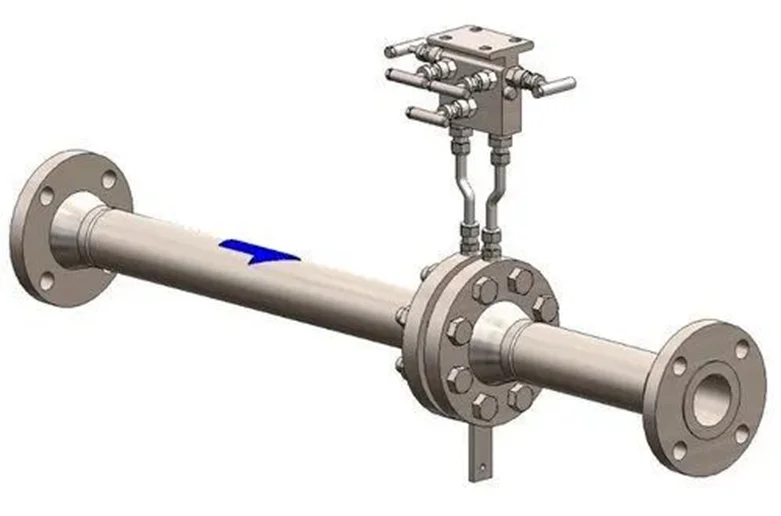
Devices like an orifice flow meter are used to measure flow rates and support process control. When combined with an inline static mixer, they help maintain stable and predictable system performance.
Benefits of Using Inline Mixers
Inline mixers offer several advantages that make them suitable for industrial use:
- Continuous mixing without interruption
- Reduced need for additional equipment
- Lower maintenance requirements
- Improved process efficiency
- Consistent output quality
These benefits contribute to better operational performance across industries.
Common Challenges and Considerations
While inline mixers are efficient, certain challenges must be considered:
- Proper installation is necessary for optimal performance
- Incorrect design may lead to uneven mixing
- Maintenance, though minimal, should not be ignored
Careful planning and system understanding are important to avoid performance issues.
Conclusion
Inline mixers play a vital role in ensuring consistent and efficient mixing within industrial systems. Their ability to operate within pipelines makes them a practical solution for continuous processes. By reducing complexity and improving reliability, these mixers support better operational outcomes across various industries. Selecting the right system and understanding its working principles can significantly impact performance.
With growing industrial demands, inline mixers continue to be a dependable solution. Companies like NND OIL & GAS provide systems that align with modern process requirements and support long-term operational efficiency.
About the Author