




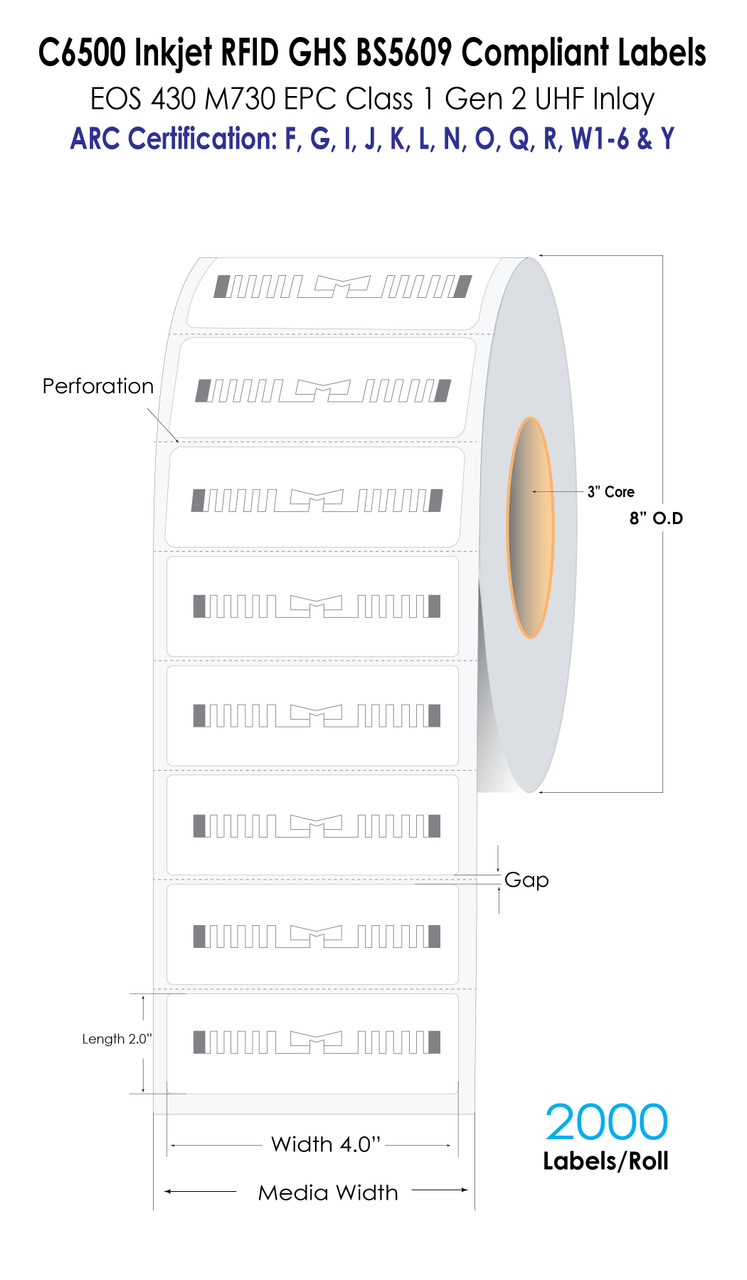
Every business that prints its own product or shipping labels eventually faces the same question — should you stick with affordable blank inkjet labels or invest in premium options? While cost always matters, the right choice depends just as much on your intended use, product presentation, and environmental conditions.
Inkjet label technology has come a long way, offering both economical paper-based options and high-end synthetic materials that can endure moisture, heat, or chemicals. In this guide, we’ll break down the real differences between budget-friendly and premium inkjet labels, so you can make an informed decision that balances price with performance.
Why Inkjet Labels Are a Smart Choice for Businesses
Inkjet labels are incredibly versatile, making them a favorite among small to medium-sized businesses that want to manage their own branding in-house. These labels work seamlessly with popular inkjet printers, allowing you to create vivid, full-color designs without the cost or delay of outsourcing.
From boutique coffee roasters to candle makers, local breweries, and e-commerce stores, businesses use inkjet labels to control their own branding narrative. The flexibility to print on demand — whether for short runs, product variations, or seasonal releases — adds immense value.
But not all inkjet labels are created equal. Affordable paper-based labels are perfect for short-term, indoor use, while premium film-based or coated labels are designed for durability and professional-grade presentation.
Comparing Affordable vs. Premium Inkjet Labels
The decision often comes down to how your label performs once it leaves the printer. Below, we examine key factors that separate standard inkjet labels from their premium counterparts.
1. Material and Finish
Affordable inkjet labels typically use paper stock with a matte or semi-gloss finish. They’re excellent for low-cost printing where products don’t face moisture, abrasion, or outdoor exposure.
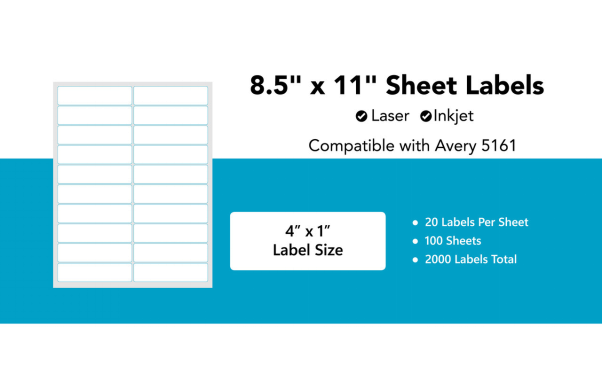
For example, the Avery 5161 Compatible Laser & Inkjet Sheet Labels (4” x 1”) are a practical, affordable solution for address, shipping, or organizational labels. Their standard paper texture ensures crisp printing for office or packaging applications without overspending.
By contrast, premium inkjet labels use synthetic materials like polypropylene (BOPP), polyester, or vinyl. These labels resist water, oil, and tearing, making them ideal for consumer goods exposed to handling, refrigeration, or outdoor use.
2. Durability and Application
Affordable labels perform well for temporary or controlled environments. They are perfect for office tasks, mailing, or inner-pack labels where moisture or abrasion isn’t a concern.
Premium labels, however, are engineered for longevity. They are designed to resist smudging, fading, and peeling — especially when paired with pigment-based inks. The C6500 0.75” Circle High-Gloss Paper Label Roll is a middle ground, providing vibrant gloss for product branding while maintaining affordability.
For businesses in the chemical, industrial, or outdoor sectors, premium labels often come with certification for durability. For instance, the C8000 Inkjet 4” x 2” RFID GHS BS5609 Chemical Labels meet global BS5609 marine standards — ensuring that printed information remains intact even when submerged in seawater. These are the ultimate choice for compliance labeling in industrial and hazardous material applications.
3. Ink Compatibility
Affordable inkjet labels work best with dye-based inks — vibrant and low-cost but more susceptible to fading and water damage. Premium materials, on the other hand, are optimized for pigment-based inks that resist smudging, UV exposure, and moisture.
If you print on-demand product labels that might encounter shipping, condensation, or handling, premium materials with pigment inks are worth the investment. They maintain professional appearance far longer and enhance the perceived value of your brand.
Matching Label Choice to Your Business Needs
The key to selecting the right inkjet label isn’t just budget — it’s the label’s lifecycle. Ask yourself these questions:
- Where will your product be used or stored?
Paper labels are fine for dry, indoor settings. For moisture-prone environments like food packaging or refrigerated goods, choose waterproof synthetics. - How long does your label need to last?
If you ship perishable items or short-run seasonal products, affordable labels work well. For durable goods or export packaging, premium options are essential. - Do your labels represent your brand on the shelf?
Shoppers often equate glossy, professional labeling with higher product quality. Premium options like BOPP and polyester help create that visual impact. - Do you print high volumes or small batches?
If you frequently change designs, sizes, or information, affordable sheets like the Avery 5161-compatible labels offer flexibility without waste.
The True Cost of Cutting Corners
While budget labels save money upfront, they can cost more in the long run if they compromise presentation or performance. For example, a product label that wrinkles, fades, or peels under moisture can erode customer confidence — and that damage to your brand is far more expensive than premium media.
On the flip side, premium labels used unnecessarily for low-risk applications can eat into margins. The right approach is strategic segmentation — using affordable options for internal or short-term needs and premium materials for consumer-facing or regulatory-critical products.
Businesses that buy blank inkjet labels online can often find both options conveniently in one place, making it easy to experiment and identify what works best for each use case.
Environmental and Compliance Considerations
Sustainability is a growing priority for many businesses. Affordable paper labels are naturally recyclable, but many premium films are now produced using eco-conscious processes and recyclable polymers.
Additionally, compliance requirements — such as GHS labeling for chemicals or FDA regulations for food — often necessitate premium materials with specific certifications. Labels like the C8000 Inkjet 4” x 2” RFID GHS BS5609 provide that compliance guarantee.
Using the right material from the start avoids costly relabeling, rejected shipments, or compliance fines down the line.
Printing Hardware and Optimization
Both affordable and premium inkjet labels perform best when paired with the right printer and ink type. For instance, high-end printers like Epson’s ColorWorks C6500 or C8000 series deliver optimized printhead control for BOPP and chemical-grade labels.
Conversely, smaller desktop printers handle standard matte or gloss paper sheets efficiently. The trick is calibration — ensuring ink density, drying time, and media thickness settings match the label stock.
Businesses that want long-term flexibility often invest in both — a color label printer for sale for vibrant designs and a thermal printer for logistics. This dual-system approach balances creativity with practicality.
Striking the Balance Between Cost and Quality
Ultimately, affordability and quality aren’t opposites — they’re two ends of a spectrum. The ideal strategy is knowing when to upgrade. For instance:
- Use affordable paper labels for office, mailing, or inventory control.
- Choose mid-tier glossy labels for short-term consumer packaging.
- Invest in premium synthetic materials for moisture, oil, or outdoor exposure.
By categorizing label use cases, small businesses can maximize ROI without compromising their brand image.
Calculating Long-Term ROI
Let’s say your affordable paper labels cost half as much as premium BOPP. On paper, that’s a major saving. But if 15% of your labels fail during shipping or storage, the reprinting costs, time delays, and brand perception losses quickly outweigh the savings.
Premium materials, though more expensive upfront, reduce waste and maintain consistency. Over time, that translates to fewer reprints and better customer satisfaction.
When combined with high-quality thermal label printers or pigment-based inkjet systems, the cost per label becomes more predictable — and your output quality remains consistently professional.
Choose Labels That Match Your Brand’s Standards
In today’s market, customers judge a product long before they use it — and your label is often the first impression. Affordable inkjet labels can be a cost-effective way to maintain agility, while premium labels communicate reliability and quality.
For everyday office and shipping needs, products like the Avery 5161 Compatible Labels or C6500 High-Gloss Paper Rolls are excellent choices. For premium branding or compliance-critical products, options like the C8000 GHS Chemical Labels deliver durability and confidence that lasts.
DuraFast Label Company offers an extensive selection of blank inkjet labels online and affordable blank inkjet labels suited to every industry and budget. To explore tailored solutions, explore their solutions or contact them to speak with an expert who can guide you toward the perfect setup.
About the Author
Melissa Grant is a business content writer and product branding consultant with a focus on print technology, labeling materials, and packaging trends. She helps companies make smarter, data-driven choices that balance design impact with operational efficiency.
About the Author