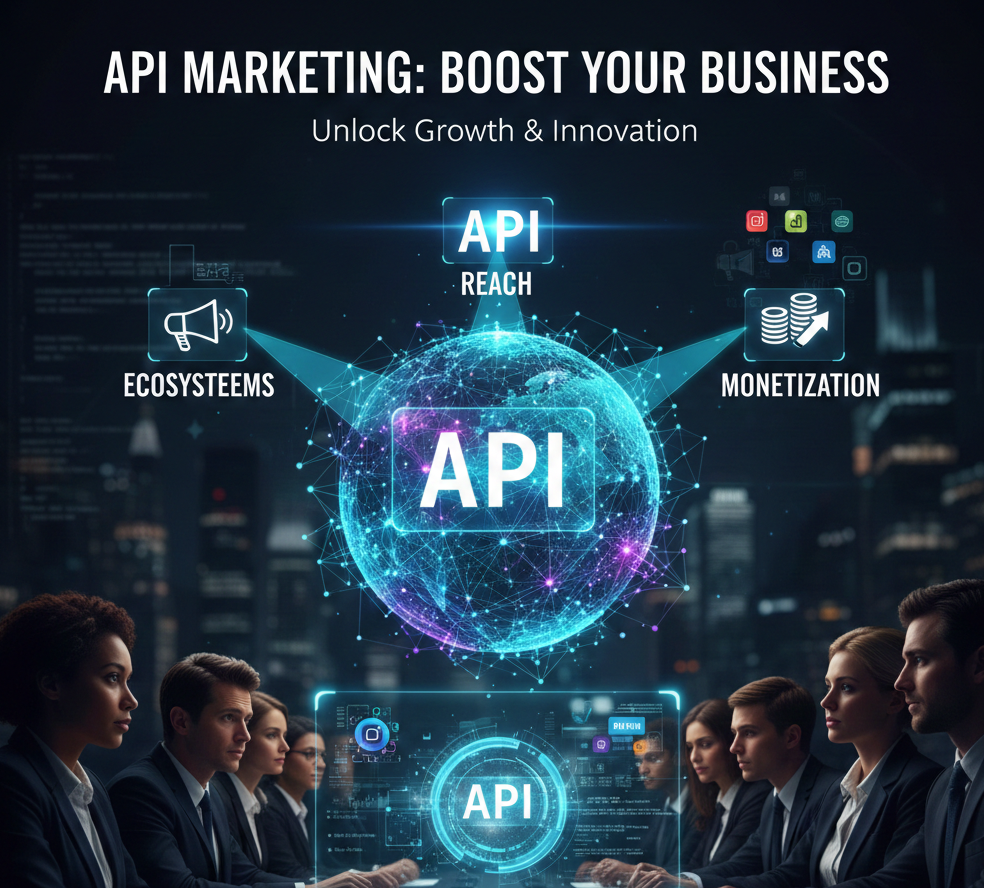
Businesses are constantly looking for innovative ways to engage customers, streamline operations, and stay ahead of the competition. One of the most powerful tools to achieve this is API marketing. APIs, or Application Programming Interfaces, are not just for developers—they are now central to how businesses deliver value, integrate services, and enhance customer experiences. Leveraging APIs effectively can be the difference between a business that thrives in the digital age and one that struggles to keep up.
What Is API Marketing?
API marketing is the practice of promoting and leveraging APIs as a core part of your business strategy. Unlike traditional marketing channels, API marketing focuses on enabling external developers, partners, and businesses to use your services or data through APIs. It’s about creating opportunities for collaboration, enhancing product functionality, and driving growth indirectly by making your services more accessible.
APIs allow companies to integrate functionalities such as payment processing, analytics, data enrichment, social media feeds, or even AI capabilities into third-party platforms. By marketing these APIs, businesses can tap into wider networks and drive adoption of their products and services.
Why APIs Are Critical in Modern Marketing
APIs are no longer just technical tools—they are strategic marketing assets. Here’s why:
- Extend Your Reach: APIs allow your products or services to be integrated into other platforms, increasing visibility and adoption without direct marketing.
- Create Ecosystems: Companies like Salesforce, Google, and Stripe use APIs to create ecosystems where developers and partners build value-added services, which in turn drives more business to the core product.
- Data Monetization: APIs enable businesses to offer their data as a product, opening new revenue streams.
- Customer Engagement: By integrating your services into platforms your audience already uses, you can engage customers in more seamless and meaningful ways.
How API Marketing Works
API marketing involves several key strategies to attract developers, partners, and businesses to adopt your APIs:
- API Documentation & Developer Portals: Providing clear, well-structured documentation ensures developers can quickly understand and use your API. Portals act as a hub for tutorials, SDKs, and interactive testing tools.
- Community Engagement: Active developer communities and forums encourage sharing of knowledge, foster innovation, and create loyal advocates for your API.
- Showcasing Use Cases: Demonstrating how your API solves real problems or enhances other products helps potential users see its value.
- Partnership Programs: Collaborating with other businesses to integrate APIs can increase adoption and create cross-promotional opportunities.
- Freemium or Free APIs: Offering a limited free version allows developers to experiment and integrate without initial investment, often leading to paid usage as adoption grows.
The Benefits of API Marketing
Businesses that implement API marketing effectively see measurable benefits, including:
- Increased Revenue: APIs can open up new revenue streams, either through paid access, partnerships, or monetized data.
- Brand Visibility: APIs increase your presence in other applications and platforms, enhancing brand awareness.
- Innovation: Allowing external developers to build on your platform drives innovation without heavy internal investment.
- Customer Retention: APIs that integrate seamlessly into your customers’ workflows enhance satisfaction and loyalty.
The Role of Free APIs in API Marketing
Offering Free APIs is a strategic move in API marketing. Free APIs allow businesses to attract developers, foster experimentation, and generate buzz. For example:
- Developers can test integrations without financial risk.
- Free APIs encourage community contributions and third-party applications.
- They act as a gateway to premium services, increasing the likelihood of conversion to paid plans.
Successful companies like OpenWeather, Twilio, and Google Maps have leveraged free API offerings to build massive ecosystems around their services. By providing a free tier, businesses can create adoption funnels, where developers start small and gradually scale usage.
Real-World Examples of API Marketing Success
Several companies have harnessed API marketing to grow exponentially:
- Stripe: By providing easy-to-use payment APIs, Stripe has become the backbone of online payments for startups and enterprise clients alike. Their developer-friendly documentation and robust free testing environment have driven widespread adoption.
- Spotify: Spotify’s APIs allow developers to integrate music streaming into various apps, creating unique user experiences and increasing brand presence.
- Twitter: Twitter’s APIs enable third-party apps to interact with tweets, timelines, and analytics. This has expanded Twitter’s ecosystem and provided additional revenue through premium API access.
Tips for Successful API Marketing
- Focus on Developer Experience: Clear documentation, sample code, SDKs, and quick start guides are essential.
- Engage with the Community: Forums, webinars, and hackathons help build a loyal user base.
- Offer Free Access: A freemium or free tier encourages experimentation and adoption.
- Highlight Use Cases: Show how your API can solve real-world problems or improve workflows.
- Ensure Security: APIs must be secure and reliable to build trust with developers and businesses.
FAQs About API Marketing
1. What is API marketing?
API marketing is the practice of promoting APIs to external developers, partners, and businesses to increase adoption, engagement, and revenue.
2. How can businesses benefit from API marketing?
Businesses can extend their reach, create ecosystems, monetize data, and improve customer engagement.
3. Why offer free APIs?
Free APIs attract developers, encourage experimentation, and often lead to paid adoption as usage grows.
4. Do I need technical knowledge to implement API marketing?
While understanding APIs helps, API marketing primarily focuses on strategy, community engagement, and creating value for developers.
5. How do I track the success of API marketing?
Metrics like API adoption rate, number of developers, integrations created, and revenue generated from API usage help measure success.
Conclusion
API marketing is more than just a technical tool—it’s a strategic approach that can drive growth, foster innovation, and expand your business’s reach. By leveraging Free APIs, building strong developer communities, and highlighting real-world use cases, businesses can unlock the full potential of their APIs. In today’s competitive digital landscape, API marketing is not just an option—it’s a necessity.
Start your API marketing journey today! Explore valuable insights, tutorials, and strategies at Apilayer and learn how to leverage APIs to grow your business.
