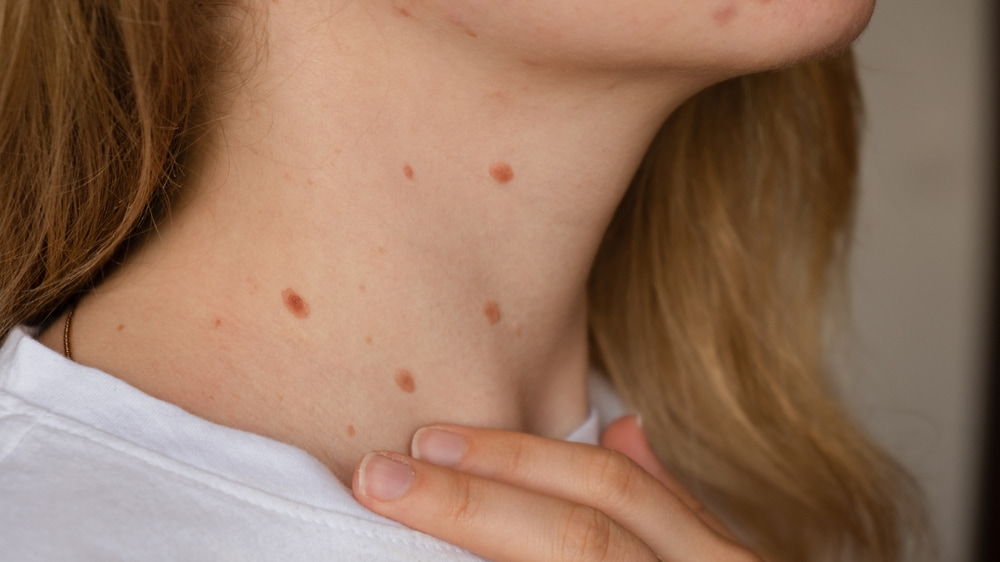
Skin tags are common, small, benign growths that often appear on areas where the skin folds, such as the neck, armpits, eyelids, and groin. While usually harmless, many people worry about whether these growths can spread from person to person. Understanding Are Skin Tags Contagious and how to prevent them is essential for maintaining both personal health and overall health and wellness.
What Are Skin Tags?
Skin tags, also known as acrochordons, are soft, flesh-colored or slightly darker growths that hang off the skin by a thin stalk. They are non-cancerous and typically painless, though they can become irritated if rubbed by clothing or jewelry. Skin tags are more common in adults over 40, people who are overweight, and those with diabetes or metabolic syndrome.
Despite their benign nature, skin tags often raise concerns due to their appearance and the potential for spreading. This leads many to ask the important question: Are Skin Tags Contagious?
Understanding the Causes of Skin Tags
The exact cause of skin tags is not fully understood, but several factors are associated with their development. Friction is a primary trigger, which explains why they often appear in skin folds. Hormonal changes, genetics, and obesity also play a role. Some studies suggest a link between insulin resistance and the formation of skin tags.
Importantly, skin tags are not caused by viruses or bacteria. Unlike warts or cold sores, which are contagious because they stem from viral infections, skin tags arise from the skin’s connective tissue. Therefore, Are Skin Tags Contagious? The scientific consensus indicates they are not.
Myths vs Facts: Are Skin Tags Contagious?
There are several myths surrounding the transmission of skin tags. Many people mistakenly assume they can catch skin tags from close contact, sharing towels, or touching someone who has them. In reality, skin tags are not infectious. They cannot spread through casual contact, sexual activity, or even prolonged skin-to-skin contact.
However, it’s important to differentiate skin tags from warts or other skin conditions caused by viruses. While both may appear similar, warts are contagious and require different treatment. Understanding this distinction is key to preventing unnecessary worry.
Skin Tags and Your Health: Why Monitoring Matters
While skin tags are harmless, sudden or multiple growths may sometimes indicate underlying health issues. Maintaining health and wellness involves regular skin checks and monitoring changes. Rapidly appearing skin tags could be associated with hormonal imbalances, obesity, or insulin resistance.
Additionally, if a skin tag becomes painful, inflamed, or changes in color, it is essential to consult a healthcare professional. Though rare, changes in skin growths could be an early warning sign of more serious conditions.
How to Prevent Skin Tags
Preventing skin tags involves reducing friction and maintaining a healthy lifestyle. Here are practical tips to minimize the risk:
- Maintain Healthy Weight: Obesity increases skin folds, which can lead to skin tags. Maintaining a balanced weight can reduce friction-prone areas.
- Wear Loose Clothing: Tight clothing can rub against skin folds, promoting growths. Choose breathable fabrics to avoid irritation.
- Keep Skin Dry: Moisture between folds can worsen friction. Regularly dry areas such as underarms and the groin.
- Regular Skin Care: Gentle exfoliation and skincare routines help keep the skin smooth and less prone to tags.
While these measures help minimize the risk, it is important to remember that not all skin tags are preventable, especially those influenced by genetics or hormones.
Safe Removal Options
If a skin tag is bothersome or unsightly, removal is a common solution. It’s crucial to seek professional medical advice rather than attempting DIY removal, which can lead to infection or scarring. Common safe methods include:
- Cryotherapy: Freezing the skin tag off using liquid nitrogen.
- Cauterization: Burning the skin tag with heat.
- Surgical Removal: Cutting off the skin tag with sterile instruments.
- Ligation: Tying off the skin tag to cut off blood supply, causing it to fall off.
These treatments are safe when performed by healthcare professionals and ensure minimal risk of complications. Remember, removing a skin tag does not affect its contagiousness since, as mentioned, Are Skin Tags Contagious is scientifically unsupported.
Caring for Skin Tags at Home
While professional removal is safest, gentle care at home can prevent irritation. Avoid pulling or twisting skin tags, as this can lead to bleeding or infection. Keeping the area clean, dry, and free from friction reduces the risk of discomfort.
Over-the-counter creams or home remedies are not always effective and may even cause irritation. Consultation with a dermatologist ensures safe and effective treatment while addressing any underlying concerns.
When to See a Doctor
Although skin tags are generally harmless, certain signs warrant medical evaluation:
- Rapid growth or a sudden increase in number.
- Pain, bleeding, or infection around a tag.
- Unusual color changes or irregular shapes.
A dermatologist can differentiate skin tags from other skin conditions and provide appropriate treatment. They can also address concerns regarding Are Skin Tags Contagious, offering reassurance to both you and your loved ones.
Conclusion
In summary, Are Skin Tags Contagious? The answer is no. Skin tags are benign growths caused by friction, hormones, or genetics, not viruses or bacteria. They cannot spread from person to person, making them a harmless, though sometimes cosmetically undesirable, skin condition.
Maintaining health and wellness includes regular skin checks, a balanced lifestyle, and proper care of any growths. While skin tags themselves are not a health risk, paying attention to sudden changes and consulting healthcare professionals ensures your skin remains healthy and safe. By understanding the causes, prevention methods, and safe removal options, you can confidently care for your skin and protect your loved ones from unnecessary worry.
