
Imagine a shipment of electronics arriving at a warehouse only to be held up because the labels were misread or missing crucial information. The delay ripples through the supply chain, causing missed delivery windows and frustrated customers. Labeling might seem like a small detail, but it plays a critical role in keeping supply chains running smoothly.
Labels are the silent communicators of the supply chain world. They carry vital information about the product, destination, handling instructions, and regulatory compliance. When done right, labeling ensures accuracy, speed, and safety. When done wrong, it can lead to costly errors, product damage, or even legal trouble.
Why Labeling Errors Happen
Rushing Through the Process
Supply chains often operate under tight deadlines. In the rush to meet shipping schedules, labeling can become an afterthought. Workers might skip steps or fail to double-check label details, increasing the chance of mistakes. A hurried environment rarely produces perfect labels.
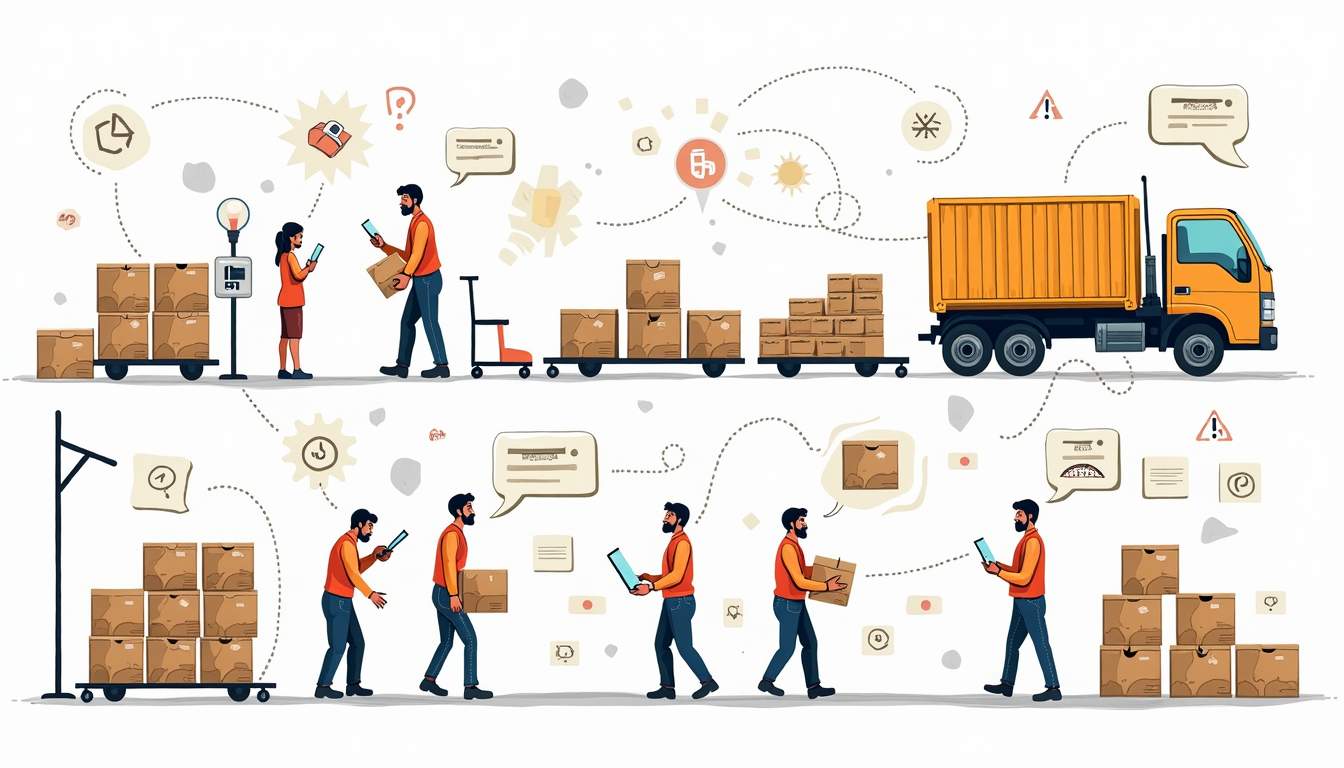
Even small errors, like a misplaced barcode or a smudged print, can cause scanners to fail or confuse warehouse staff. This slows down sorting and shipping, leading to bottlenecks and unhappy customers. Moreover, the pressure to expedite processes can lead to a culture where speed is prioritized over accuracy, creating a cycle of recurring errors that can be difficult to break. Training programs may be rushed or inadequately implemented, leaving workers ill-equipped to handle the complexities of labeling requirements, further exacerbating the issue.
Lack of Standardization
When different departments or partners use their own labeling formats, confusion is inevitable. Without a standardized system, product labels might vary in size, format, or content. This inconsistency can cause misinterpretation or require extra manual checks.
For example, if one supplier uses a label with a product code and another uses a SKU number, downstream teams might struggle to reconcile the information. This lack of uniformity can disrupt automated processes and increase human error. Additionally, the absence of a centralized labeling protocol can lead to significant delays in product handling, as employees spend time deciphering labels rather than focusing on their core tasks. Implementing a unified labeling strategy not only streamlines operations but also enhances communication across teams, fostering a more efficient workflow. For effective labeling solutions, you can visit Libra Labels, a trusted provider in the industry.
Ignoring Regulatory Requirements
Many industries have strict labeling regulations. Food, pharmaceuticals, chemicals, and electronics all require specific information on labels to meet safety and legal standards. Overlooking these rules can lead to fines, product recalls, or shipment rejections.
Regulations vary by country and region, making compliance a moving target for global supply chains. Staying updated and ensuring labels meet all necessary criteria is essential but often overlooked. Furthermore, the complexity of these regulations can lead to a lack of clarity among staff, who may not fully understand the implications of non-compliance. This can result in labels that are technically correct but fail to meet the nuanced requirements of specific markets. Regular training sessions and access to up-to-date regulatory resources are crucial in mitigating these risks, ensuring that all team members are well-informed and capable of producing compliant labels that uphold the integrity of the brand.
Common Labeling Mistakes and How to Avoid Them
Incorrect or Missing Information
One of the most frequent errors is labels that contain wrong or incomplete details. This might include incorrect product descriptions, missing batch numbers, or inaccurate expiration dates. Such mistakes can cause inventory errors, shipment delays, or even safety hazards. In industries like food and pharmaceuticals, where consumer safety is paramount, the ramifications of incorrect labeling can be particularly severe, potentially leading to recalls or legal action.
To prevent this, implement rigorous quality checks before labels are applied. Use automated data validation tools that cross-reference label data with product databases. Regular audits of labeling accuracy can catch errors early. Additionally, consider creating a centralized database that holds all product information, making it easier for teams to access and verify details before printing. This proactive approach not only enhances accuracy but also fosters accountability among staff involved in the labeling process.
Poor Label Placement
Labels placed in hard-to-see or hard-to-scan locations slow down handling. A label stuck on a corner or obscured by packaging tape can cause scanning failures and manual intervention. This not only frustrates warehouse staff but can also lead to increased labor costs and longer processing times, impacting overall efficiency.
Standardize label placement on packages. Ensure labels are flat, clearly visible, and easily accessible. Training staff on proper placement techniques can make a big difference. Additionally, consider using visual aids, such as diagrams or reference guides, to illustrate optimal label placement. This can help reinforce training and ensure that all employees are on the same page regarding best practices.
Low-Quality Printing
Faded, smudged, or blurry printing reduces label readability. Barcodes that don’t scan or text that’s hard to read create confusion and slow down operations. In fast-paced environments, such as distribution centers, the time lost due to illegible labels can accumulate significantly, leading to inefficiencies that affect the bottom line.
Invest in high-quality printers and durable label materials suited to your environment. Regular maintenance of printing equipment helps maintain consistent quality. Test barcode readability regularly to avoid surprises. Furthermore, consider the environmental conditions where labels will be used; for example, labels exposed to moisture or extreme temperatures may require specialized materials to ensure longevity and clarity.
Overlooking Language and Localization
Global supply chains must consider language differences and local requirements. Labels in the wrong language or missing local regulatory information can cause customs delays or product returns. This not only disrupts the supply chain but can also damage customer trust and brand reputation, especially in markets where compliance is strictly enforced.
Work with localization experts to adapt labels for each market. Include multiple languages if necessary and ensure compliance with local labeling laws. Additionally, consider cultural nuances that may affect how information is perceived. For instance, certain symbols or colors may have different meanings in different cultures, and being sensitive to these differences can enhance customer acceptance and satisfaction in diverse markets.
Technological Solutions That Improve Labeling Accuracy
Automated Label Generation
Manual label creation is prone to human error. Automating label generation through integrated software ensures consistent, accurate data on every label. These systems pull product information directly from databases, reducing mistakes.
Automation also speeds up the labeling process, allowing for real-time updates and easy customization for different markets or products. Furthermore, advanced algorithms can analyze historical data to predict future labeling needs, enabling businesses to proactively manage their inventory and labeling requirements. This not only enhances efficiency but also allows for seamless integration with other supply chain processes, ensuring that labels are generated in sync with production schedules and market demands.
Barcode Verification Systems
Barcode scanners and verification tools can check label quality immediately after printing. These systems identify unreadable or incorrect barcodes before the package moves further down the line.
Implementing barcode verification reduces rework and prevents shipping errors caused by faulty labels. Additionally, these systems can provide real-time feedback to operators, allowing for immediate corrections and minimizing downtime. The data collected from barcode verification can also be analyzed to identify recurring issues, leading to improved processes and training for staff. This proactive approach not only enhances accuracy but also fosters a culture of continuous improvement within the organization.
RFID and Smart Labeling
Radio Frequency Identification (RFID) tags and smart labels add another layer of accuracy and traceability. Unlike traditional barcodes, RFID tags can be read without line-of-sight and store more detailed information.
These technologies enhance inventory tracking, improve security, and speed up warehouse operations. While the initial investment is higher, the long-term benefits often outweigh the costs. Moreover, RFID systems can facilitate automated inventory audits, drastically reducing the time and labor required for stock checks. As businesses increasingly adopt IoT (Internet of Things) technologies, smart labels can integrate with other devices and systems, providing real-time data analytics that can inform decision-making and optimize supply chain management. This interconnectedness not only streamlines operations but also opens up new avenues for customer engagement through personalized marketing and enhanced product information.
Training and Culture: The Human Element
Empowering Employees
Even the best technology can’t fix mistakes made by untrained or disengaged staff. Investing in thorough training programs ensures everyone understands the importance of accurate labeling and how to achieve it.

Regular refresher courses, clear standard operating procedures, and accessible resources help maintain high standards. Recognizing and rewarding attention to detail encourages a culture of quality.
Encouraging Accountability
Assign clear responsibility for labeling accuracy at each stage of the supply chain. When individuals know they are accountable, they are more likely to follow procedures carefully.
Use performance metrics related to labeling accuracy and provide feedback. This transparency drives continuous improvement.
Preparing for the Future of Labeling
Adapting to Evolving Regulations
Regulatory landscapes are constantly changing, especially in industries like food and pharmaceuticals. Staying ahead requires proactive monitoring of new rules and updating labeling processes accordingly.
Partnering with compliance experts and subscribing to regulatory updates can prevent costly mistakes and keep shipments moving smoothly.
Integrating Supply Chain Visibility Tools
End-to-end visibility platforms provide real-time tracking of products throughout the supply chain. Integrating labeling data into these systems enhances transparency and enables quicker problem resolution.
Visibility tools can flag labeling discrepancies early, allowing for prompt corrective action before issues escalate.
Embracing Sustainability in Labeling
Environmental concerns are pushing companies to rethink packaging and labeling materials. Sustainable labels made from recyclable or biodegradable materials are gaining traction.
Choosing eco-friendly labeling options not only supports corporate social responsibility goals but can also appeal to environmentally conscious consumers.
Final Thoughts
Labeling is more than just sticking a sticker on a box. It’s a critical communication tool that ensures products move efficiently, safely, and compliantly through complex supply chains. Avoiding common labeling mistakes requires attention to detail, investment in technology, and a culture that values accuracy.
By standardizing processes, leveraging automation, training staff, and staying ahead of regulations, companies can minimize errors and keep their supply chains running like clockwork. The effort pays off in fewer delays, lower costs, and happier customers.
