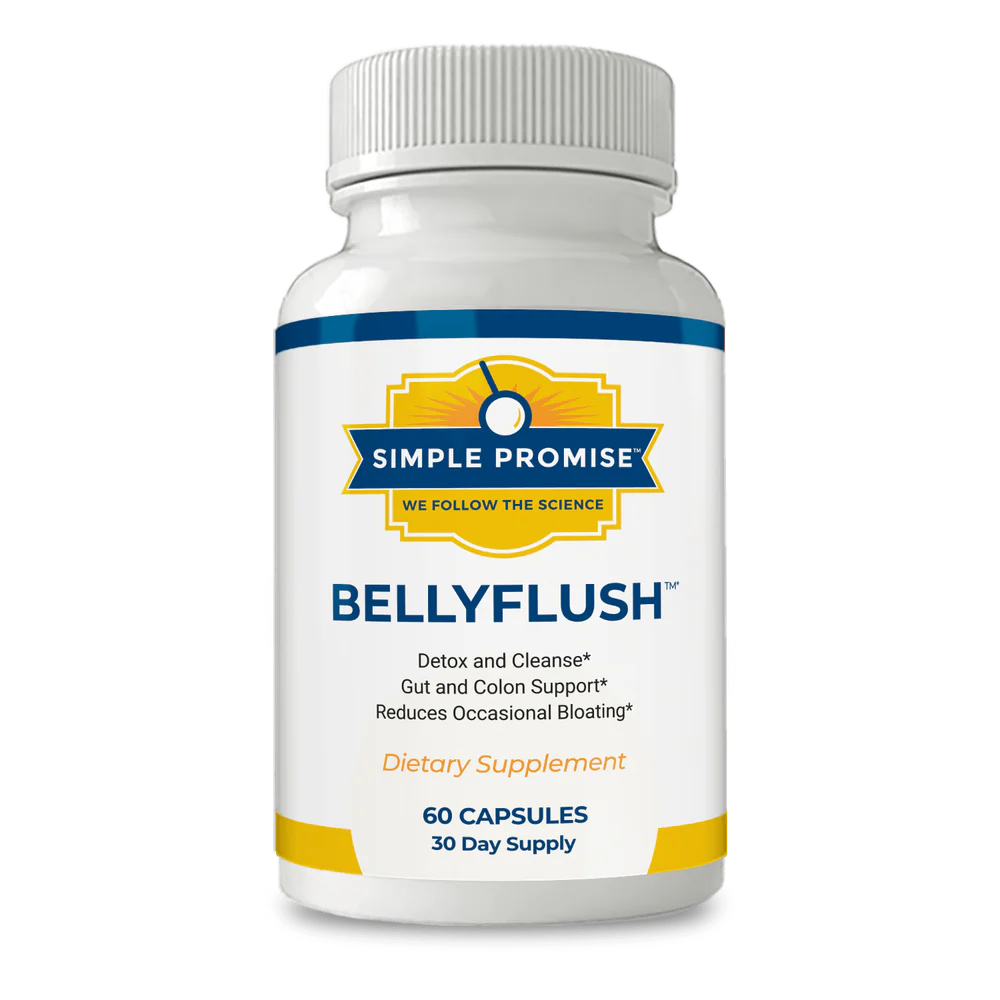
In an era of constant dietary overindulgence—from processed foods to environmental toxins—many people are exploring radical approaches to gut health. Among these approaches, the concept of a “belly flush” has gained significant traction, promising to cleanse, reset, and rejuvenate the digestive system. But what does this process truly entail, and is it the optimal starting point for your personal wellness journey? This article explores the science, strategies, and sensible alternatives to help you make an informed decision.
Understanding the “Belly Flush” Phenomenon
A “belly flush” or digestive cleanse typically refers to a short-term protocol designed to eliminate accumulated waste, toxins, and byproducts from the gastrointestinal tract. Proponents argue that modern lifestyles lead to a buildup of mucoid plaque and digestive sludge, which can cause bloating, fatigue, skin issues, and systemic inflammation.
These protocols often combine:
- High-Fiber Bulking Agents: Psyllium husk, flax seeds, or chia seeds to sweep the intestines
- Natural Laxatives: Senna leaf, cascara sagrada, or magnesium to stimulate bowel movements
- Binding Agents: Bentonite clay or activated charcoal to trap toxins
- Hydration Protocols: Increased water and herbal tea consumption
- Dietary Restrictions: Elimination of processed foods, sugars, and common allergens
While the dramatic claims of “detoxing” lack robust scientific validation, the core practices—increased fiber, hydration, and whole foods—align with fundamental digestive health principles.
The Potential Benefits Of Belly Flush
When approached sensibly, a structured reset can offer several tangible benefits:
- Breaking Poor Dietary Cycles: A short-term, structured protocol can interrupt patterns of processed food consumption and sugar dependency, creating a psychological “line in the sand.”
- Identifying Food Sensitivities: By eliminating common irritants (gluten, dairy, soy, etc.) and reintroducing them systematically, many people identify previously unnoticed food sensitivities.
- Resetting Hunger Cues: Removing hyper-palatable processed foods can help recalibrate your body’s natural hunger and satiety signals.
- Establishing Beneficial Routines: The discipline of a timed protocol can help establish lasting habits like morning hydration, mindful eating, and regular meal timing.
- The Placebo Effect of Self-Care: The intentional focus on self-nourishment can create positive psychological shifts that translate to better health choices.
The Risks and Realities
Belly flush- Before embarking on any intensive protocol, consider these often-overlooked realities:
- The “Toxin” Narrative is Overstated: Your liver, kidneys, and colon are remarkably efficient detoxifiers. Most “cleanse” products prey on fear rather than science.
- Electrolyte Imbalance Danger: Aggressive protocols can flush out essential electrolytes (potassium, sodium, magnesium), leading to dizziness, fatigue, and heart complications.
- Digestive System Disruption: Harsh stimulant laxatives can damage the colon’s natural peristaltic function, potentially creating dependency.
- Nutrient Malabsorption: Extended use of binding clays and excessive fiber can interfere with the absorption of medications and essential nutrients.
- The Rebound Effect: Many people experience compensatory overeating or a return to poor habits once the restrictive protocol ends.

A Science-Backed Alternative: The “Gentle Reset” Protocol
Instead of drastic measures, consider this evidence-based, sustainable approach to digestive health:
Foundation Building
- Increase water intake to ½ your body weight in ounces daily
- Add 1-2 tablespoons of ground flax or chia seeds to your diet
- Eliminate processed foods and added sugars
- Incorporate fermented foods (sauerkraut, kimchi, kefir) daily
Strategic Elimination
- Remove common inflammatory foods: gluten, dairy, and processed soy
- Focus on cooked, easily digestible vegetables and lean proteins
- Practice mindful eating without distractions
- Establish consistent sleep and meal schedules
Systematic Reintroduction
- Test one eliminated food group every 3 days, noting symptoms
- Identify personal triggers while maintaining 80% whole-foods diet
- Develop sustainable eating patterns based on your discoveries
Who Might Benefit—And Who Should Avoid—Digestive Resets
Belly flush- May Benefit:
- Generally healthy individuals experiencing unexplained bloating or fatigue
- Those transitioning from a period of dietary indulgence to healthier patterns
- People seeking structure to break entrenched poor eating habits
- Individuals with practitioner guidance for specific health goals
Should Avoid:
- Anyone with diagnosed digestive disorders (IBS, Crohn’s, colitis)
- Pregnant or nursing women
- People with eating disorder histories
- Those with kidney disease, diabetes, or on multiple medications
- Anyone without healthcare provider consultation
The Long Game: Sustainable Gut Health Beyond the Cleanse
True digestive wellness isn’t found in 14-day protocols but in daily practices:
- Diversity Over Restriction: Aim for 30+ different plant foods weekly to nourish a diverse microbiome.
- Stress Management: Chronic stress directly impacts digestion through the gut-brain axis. Prioritize sleep, mindfulness, and relaxation.
- Movement Matters: Regular exercise promotes healthy bowel motility and reduces inflammation.
- Consistent Fiber Intake: Aim for 25-35g daily from varied sources (fruits, vegetables, legumes, whole grains).
- Mindful Eating: Chew thoroughly, eat without screens, and listen to hunger/fullness cues.
Conclusion:
The allure of a quick fix through a “belly flush” is understandable in our instant-gratification culture. However, sustainable gut health emerges from consistent, moderate practices rather than drastic interventions. Whether you choose a structured reset or gradual changes, the most important factor is developing a compassionate, informed relationship with your body.
Before beginning any protocol, consult with a healthcare professional who understands both conventional and functional approaches to digestive health. Remember that the goal isn’t a temporary “clean” feeling, but creating an ecosystem within your body where health can flourish long-term. Your digestive system is a complex, resilient partner in your wellbeing—treat it with the respectful consistency it deserves, not the dramatic extremes that marketing often promotes.
The most powerful “reset” may simply be returning to the fundamentals: whole foods, adequate hydration, regular movement, and managed stress. In the landscape of gut health, these timeless practices remain the most revolutionary act of all.
Buy: Belly Flush
FAQs- Belly Flush
1. What’s a “gentle reset” vs. a belly flush?
A belly flush is a short, intense cleanse. A “gentle reset” is a longer, food-based plan that builds healthy habits and identifies food sensitivities for lasting results.
2. Will it help my bloating and fatigue?
Possibly, by removing common irritants. Lasting relief comes from finding your personal food triggers and making long-term diet changes, not just a quick cleanse.
3. What are the risks of a belly flush?
Risks include electrolyte imbalance, laxative dependency, and nutrient malabsorption. Always talk to a doctor before starting any intense cleanse.
4. When should I see a doctor instead?
See a doctor for severe pain, blood in stool, or diagnosed conditions like IBS. For mild, diet-related issues, a gentle reset may be appropriate.
5. What’s the 1 habit for gut health after?
Eat a variety of plants. Aim for 30+ different fruits, veggies, nuts, and seeds weekly to feed a diverse, healthy gut microbiome for the long term.
