


Thyroid Ablation
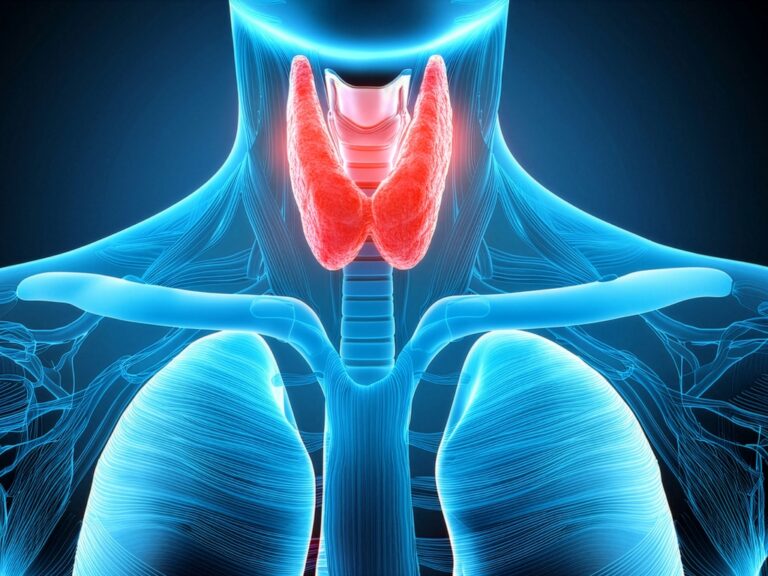
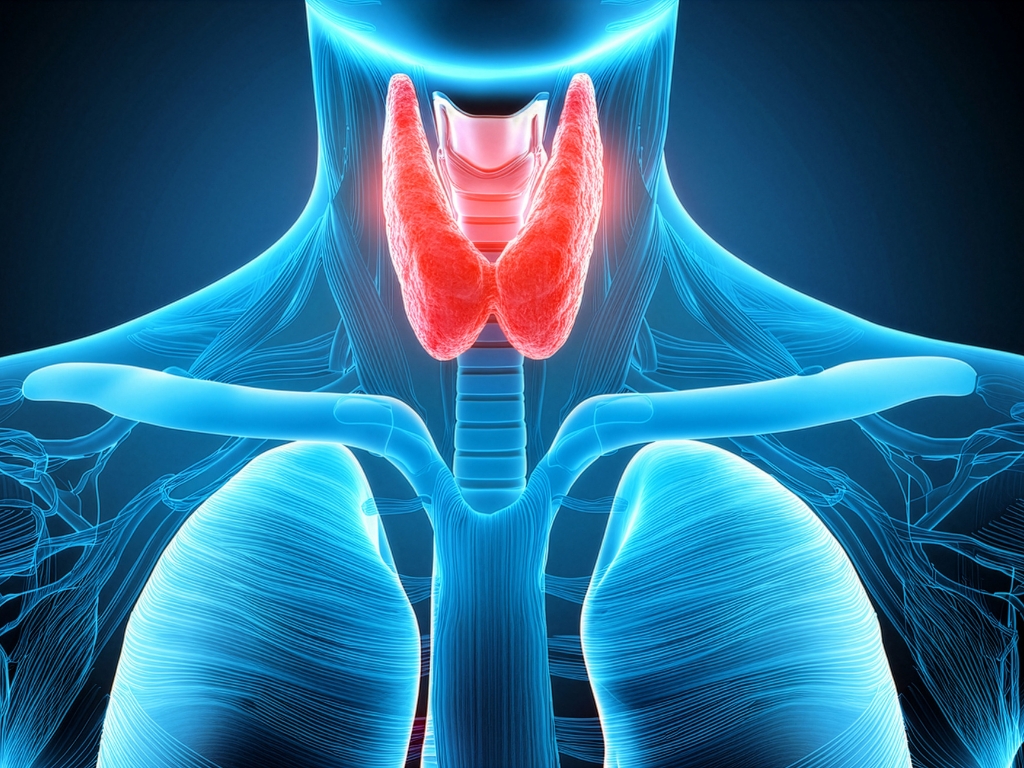
Thyroid nodules are a common health condition that affects a large number of people worldwide. These nodules are lumps or abnormal growths that develop within the thyroid gland, which is located at the base of the neck. While many thyroid nodules are benign and may not cause symptoms, some can grow larger and lead to discomfort, cosmetic concerns, or difficulty swallowing and breathing. In the past, surgery was often the primary treatment option for problematic nodules. However, advancements in minimally invasive procedures have introduced more effective alternatives. One of the most promising treatments today is thyroid ablation.
This modern technique offers patients a safe and less invasive option to reduce or eliminate nodules without the need for traditional surgery. As more patients seek treatments that involve shorter recovery times and fewer risks, thyroid ablation has become an increasingly preferred choice among both doctors and patients.
Understanding Thyroid Nodules
Before exploring the advantages of treatment, it is important to understand what thyroid nodules are and why they develop. A thyroid nodule is a growth that forms inside the thyroid gland. These nodules can be solid or filled with fluid and may vary greatly in size. Many people develop thyroid nodules without realizing it because small nodules often do not produce noticeable symptoms.
However, when nodules grow larger, they may cause visible swelling in the neck or lead to symptoms such as:
- Difficulty swallowing
- A feeling of pressure in the throat
- Changes in voice
- Breathing discomfort
- Cosmetic concerns due to neck swelling
Although most nodules are non-cancerous, they can still significantly affect a person’s quality of life. This is why effective treatment options are important for patients experiencing symptoms or complications.
What Is Thyroid Ablation?
Thyroid ablation is a minimally invasive procedure used to shrink or destroy thyroid nodules without removing the thyroid gland. The procedure uses heat or other targeted energy techniques to break down abnormal tissue while preserving healthy thyroid tissue.
The most commonly used types of thyroid ablation include radiofrequency ablation (RFA), laser ablation, and ethanol ablation. These procedures are typically performed using ultrasound guidance, which allows the physician to precisely target the nodule.
During the treatment, a small probe or needle is inserted into the thyroid nodule. Energy is then delivered to the tissue, causing the cells within the nodule to break down. Over time, the treated tissue shrinks and is gradually absorbed by the body.
Because thyroid ablation does not require large incisions or removal of the thyroid gland, it is considered a safer and more comfortable alternative to traditional surgery for many patients.
Minimally Invasive Nature of the Procedure
One of the most significant advantages of thyroid ablation is that it is minimally invasive. Traditional thyroid surgery requires an incision in the neck, which can result in scarring and longer recovery periods. In contrast, thyroid ablation involves only a small needle puncture, making it far less traumatic to the body.
The minimally invasive nature of the procedure means that patients typically experience less pain, minimal bleeding, and a lower risk of complications. Most procedures are performed under local anesthesia, allowing patients to remain comfortable while avoiding the risks associated with general anesthesia.
This approach makes thyroid ablation an attractive option for patients who prefer a less invasive treatment method.
Preservation of Thyroid Function
Another major benefit of thyroid ablation is the preservation of normal thyroid function. In traditional thyroid surgery, part or all of the thyroid gland may need to be removed. When this happens, patients may require lifelong thyroid hormone replacement therapy.
With thyroid ablation, only the problematic nodule is targeted while the surrounding thyroid tissue remains intact. Because the healthy thyroid gland continues to function normally, the likelihood of needing long-term medication is significantly reduced.
Preserving natural thyroid function is important because the thyroid gland plays a crucial role in regulating metabolism, energy levels, body temperature, and many other bodily functions.
Reduced Risk of Surgical Complications
All surgical procedures carry some level of risk. Thyroid surgery, for example, may involve potential complications such as infection, bleeding, or injury to nearby nerves that control the vocal cords. Damage to these nerves can lead to voice changes or hoarseness.
Thyroid ablation greatly reduces the risk of these complications because it does not involve major surgery or removal of the thyroid gland. The procedure is performed with precise imaging guidance, allowing physicians to carefully avoid nearby structures such as nerves and blood vessels.
As a result, patients often feel more confident choosing thyroid ablation because it offers an effective treatment with fewer risks.
Faster Recovery Time
Recovery time is another major advantage of thyroid ablation. Patients who undergo traditional thyroid surgery may need several weeks to fully recover, and they often require hospital stays and post-surgical monitoring.
In contrast, thyroid ablation is typically performed as an outpatient procedure. Most patients can return home the same day and resume their normal daily activities within a short period of time.
Many individuals are able to return to work and routine tasks within a day or two, making this treatment option particularly appealing for those with busy schedules.
Improved Cosmetic Results
For many patients, cosmetic concerns are an important factor when choosing a treatment method. Traditional thyroid surgery leaves a visible scar across the neck, which can be a source of self-consciousness for some individuals.
Because thyroid ablation requires only a small needle insertion, there is little to no visible scarring. This makes the procedure especially appealing to patients who are concerned about maintaining the appearance of their neck.
Over time, as the treated thyroid nodule shrinks, the visible swelling in the neck also improves, further enhancing cosmetic outcomes.
Effective Reduction of Nodule Size
One of the key goals of treatment is to reduce the size of the thyroid nodule and relieve symptoms. Studies have shown that thyroid ablation can significantly shrink nodules over time. In many cases, nodules may decrease in size by 50 to 80 percent within several months after the procedure.
As the nodule shrinks, symptoms such as pressure, discomfort, and swallowing difficulties often improve. Patients also notice a visible reduction in neck swelling, which can boost confidence and comfort.
The effectiveness of thyroid ablation has made it a widely recommended treatment option for benign thyroid nodules that cause symptoms.
Outpatient Convenience
Another practical advantage of thyroid ablation is the convenience it offers. Since the procedure is usually performed on an outpatient basis, patients do not need to stay overnight in the hospital.
The treatment itself often takes less than an hour, and patients are typically monitored briefly before being allowed to go home. This streamlined process reduces both the emotional stress and financial burden that can come with hospitalization and surgical procedures.
For many patients, this convenience makes thyroid ablation an appealing alternative to traditional surgery.
Suitable for Patients Who Want to Avoid Surgery
Not every patient is comfortable with the idea of undergoing surgery. Some individuals may have medical conditions that make surgery risky, while others simply prefer less invasive options.
Thyroid ablation provides an excellent alternative for patients who wish to avoid surgical procedures. Because the treatment is minimally invasive and requires only local anesthesia, it can be safely performed on a wide range of patients.
This option allows individuals to receive effective treatment without the physical and emotional stress often associated with surgery.
Long-Term Treatment Success
Long-term results are another reason why thyroid ablation is gaining popularity. After treatment, most patients experience gradual and sustained reduction in nodule size. Follow-up imaging studies typically show continued shrinkage over time.
In many cases, a single session of thyroid ablation is enough to achieve satisfactory results. However, if necessary, the procedure can be repeated to further reduce the size of the nodule.
The long-term success of this treatment helps patients maintain improved comfort and quality of life.
Conclusion
Advancements in medical technology have made it possible to treat thyroid nodules more effectively and comfortably than ever before. Thyroid ablation represents a major step forward in minimally invasive thyroid care, offering patients a safe and effective alternative to traditional surgery.
With benefits such as minimal invasiveness, preservation of thyroid function, reduced risk of complications, faster recovery, and improved cosmetic outcomes, it is easy to see why many patients are choosing this innovative treatment option.
For individuals experiencing symptoms caused by benign thyroid nodules, thyroid ablation provides a promising solution that allows them to regain comfort and confidence without undergoing major surgery. As awareness of this procedure continues to grow, it is likely that even more patients will benefit from the advantages that thyroid ablation offers in modern thyroid care.
About the Author