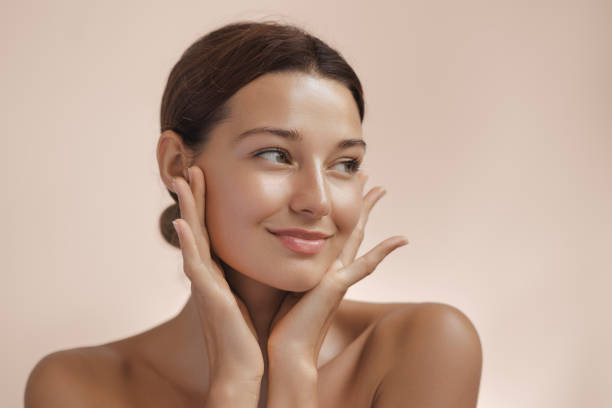
Aging is a natural biological process influenced by genetics, hormonal changes, environmental exposure, and lifestyle habits. While we cannot stop time, scientific advancements in dermatology and aesthetic medicine have made it possible to slow visible aging, improve skin health, and maintain a youthful appearance at every stage of life.
Skin undergoes different structural and functional changes in the 40s, 50s, and 60s. Therefore, treatments must be age-appropriate and targeted. This scientific review explores evidence-based strategies and clinical approaches tailored to each decade.
Understanding the Biology of Skin Aging
Before discussing decade-specific treatments, it is important to understand how skin ages biologically.
Two primary processes contribute to skin aging:
- Intrinsic Aging – Natural aging determined by genetics and hormonal decline.
- Extrinsic Aging – Environmental damage caused by UV radiation, pollution, smoking, and lifestyle factors.
Key biological changes include:
- Reduced collagen and elastin production
- Slower cell turnover
- Decreased hyaluronic acid levels
- Thinning of the epidermis
- Loss of fat volume beneath the skin
- Increased pigmentation irregularities
The intensity and type of these changes vary by decade, which is why the Best anti aging treatments for 40s, Best anti aging treatments for 50s, and Best anti aging treatments for 60s differ in approach.
Anti-Aging Treatments in Your 40s
The 40s mark the beginning of visible structural changes. Collagen production declines by approximately 1% per year after the age of 30. Hormonal fluctuations may also begin, particularly in women approaching perimenopause.
Common Skin Concerns in the 40s:
- Fine lines around eyes and mouth
- Mild skin laxity
- Early pigmentation and sun spots
- Dullness
- Uneven skin tone
At this stage, prevention and collagen stimulation are the primary goals.
1. Retinoids
Retinoids are considered the gold standard in anti-aging dermatology. They increase cell turnover, stimulate collagen production, and reduce early wrinkles.
Scientific studies confirm that consistent retinoid use improves dermal thickness and reduces fine lines within 12 weeks.
2. Chemical Peels
Superficial to medium-depth chemical peels using glycolic acid or trichloroacetic acid improve pigmentation and stimulate new skin growth.
They are particularly effective for early sun damage and uneven texture.
3. Neuromodulators (Botox)
Dynamic wrinkles caused by repeated facial expressions become more visible in the 40s. Botulinum toxin injections reduce muscle contractions, preventing wrinkle deepening.
4. Microneedling
Microneedling triggers collagen production through controlled micro-injuries. Clinical research shows improvements in skin firmness and texture after multiple sessions.
These approaches form the foundation of the Best anti aging treatments for 40s, focusing on prevention and early intervention rather than correction.
Anti-Aging Treatments in Your 50s
In the 50s, hormonal changes—especially menopause—accelerate skin aging. Estrogen decline significantly affects collagen levels, skin thickness, and hydration.
Research shows that women can lose up to 30% of collagen within the first five years after menopause.
Common Skin Concerns in the 50s:
- Deeper wrinkles
- Increased dryness
- Noticeable sagging
- Loss of facial volume
- More prominent pigmentation
Treatment strategies shift toward structural support and volume restoration.
1. Dermal Fillers
Hyaluronic acid fillers restore lost volume in areas such as cheeks, nasolabial folds, and jawline. Studies show immediate improvement in facial contour and reduction in deep lines.
Fillers address structural aging rather than surface-level concerns.
2. Laser Resurfacing
Fractional laser treatments stimulate collagen remodeling and improve pigmentation. Scientific evidence demonstrates significant wrinkle reduction and improved elasticity after treatment.
Laser resurfacing is effective for both texture correction and pigmentation removal.
3. Radiofrequency (RF) Skin Tightening
RF energy heats the dermis to stimulate collagen contraction and regeneration. Clinical trials show improved skin firmness after several sessions.
It is particularly helpful for mild to moderate sagging in the lower face and neck.
4. Advanced Retinoid Therapy
Prescription-strength retinoids remain valuable in the 50s, although stronger moisturization is required to counteract dryness.
The Best anti aging treatments for 50s combine volume restoration, collagen stimulation, and hydration support.
Anti-Aging Treatments in Your 60s
In the 60s, structural aging becomes more pronounced. Skin becomes thinner, more fragile, and less elastic. Subcutaneous fat loss and bone density reduction contribute to facial hollowing.
Scientific research shows that collagen production significantly slows by this decade, making regeneration more challenging but not impossible.
Common Skin Concerns in the 60s:
- Deep static wrinkles
- Significant skin laxity
- Facial hollowing
- Thinning skin
- Age spots
- Slower healing
Treatment plans focus on comprehensive rejuvenation and skin strengthening.
1. Combination Therapy
Monotherapy is often insufficient in the 60s. Dermatologists typically recommend combining:
- Fillers for volume
- Laser resurfacing for texture
- RF or ultrasound therapy for tightening
Combination treatments provide more natural and balanced results.
2. Platelet-Rich Plasma (PRP)
PRP uses growth factors from the patient’s own blood to stimulate collagen and tissue repair. Clinical studies show improvements in skin elasticity and fine lines after multiple sessions.
PRP is especially beneficial for fragile or thinning skin.
3. Deep Laser Resurfacing
Ablative laser procedures can significantly improve deep wrinkles and sun damage. Although downtime is longer, results are more dramatic.
4. Medical-Grade Skincare
Strong barrier-supporting ingredients such as ceramides, peptides, and hyaluronic acid are essential in this decade.
The Best anti aging treatments for 60s emphasize regeneration, strengthening, and strategic correction rather than aggressive over-treatment.
The Role of Collagen Stimulation Across All Decades
Collagen decline is central to visible aging. Treatments that stimulate collagen remain effective at any age, although results may vary in intensity.
Proven collagen-stimulating treatments include:
- Retinoids
- Microneedling
- Laser therapy
- Radiofrequenc
- PRP
The earlier these interventions are introduced, the better long-term outcomes tend to be.
The Importance of Sun Protection
Regardless of age, sun protection remains the most scientifically validated anti-aging strategy.
UV radiation accounts for up to 80% of visible facial aging. Daily use of broad-spectrum SPF 30 or higher:
- Prevents collagen breakdown
- Reduces pigmentation
- Maintains treatment results
Without sun protection, even the Best anti aging treatments for 40s, Best anti aging treatments for 50s, or Best anti aging treatments for 60s will provide limited long-term benefit.
Lifestyle Factors That Influence Results
Scientific research confirms that lifestyle choices significantly affect skin aging.
Key factors include:
- Balanced diet rich in antioxidants
- Adequate hydration
- Quality sleep
- Stress management
- Avoidance of smoking
- Regular exercise
These habits improve circulation, reduce oxidative stress, and enhance treatment outcomes.
Personalized Treatment Is Essential
Although age provides a general guideline, biological aging varies significantly between individuals.
Two people in their 50s may have entirely different skin conditions depending on:
- Genetics
- Sun exposure history
- Hormonal balance
- Skincare habits
Therefore, professional assessment is crucial to designing an individualized treatment plan.
Risks and Safety Considerations
Scientific review also requires acknowledging potential risks.
Common side effects may include:
- Temporary redness
- Swelling
- Bruising
- Mild irritation
More invasive procedures carry higher risks and should always be performed by qualified professionals.
A conservative, gradual approach typically yields safer and more natural results.
Final Thoughts
Aging skin requires different strategies at different stages of life. In your 40s, the focus is on prevention and collagen stimulation. In your 50s, volume restoration and structural support become central. By your 60s, comprehensive rejuvenation and skin strengthening take priority.
The Best anti aging treatments for 40s emphasize early intervention with retinoids, microneedling, and neuromodulators. The Best anti aging treatments for 50s incorporate fillers, laser resurfacing, and tightening technologies. The Best anti aging treatments for 60s rely on combination therapies that address deep structural aging and skin fragility.
Scientific evidence consistently shows that consistent care, sun protection, and personalized treatment plans deliver the most effective and natural-looking results. Aging is inevitable, but with informed choices and modern dermatological advances, healthy and vibrant skin can be maintained at every decade of life.
