Walk into any clinical or research laboratory today and you will notice one thing immediately. Speed and accuracy drive everything. Physicians, researchers, and diagnostic teams depend on laboratory results to make important decisions. That pressure makes laboratory equipment more important than ever.
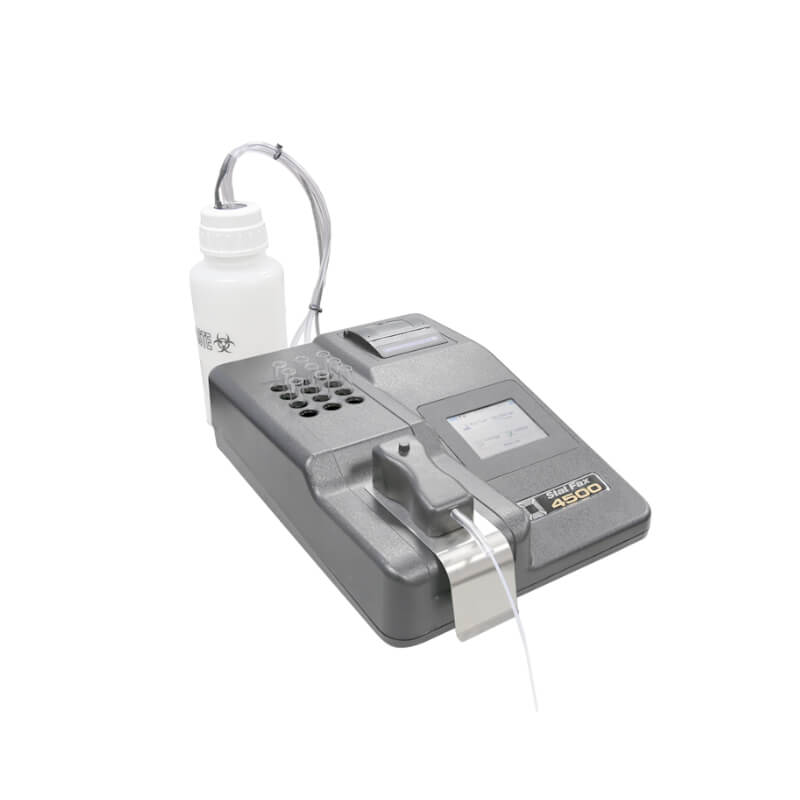
A biochemistry analyser sits at the heart of many diagnostic labs. It measures substances such as glucose, enzymes, lipids, and proteins in biological samples. These results help clinicians understand how the body is functioning and whether disease may be present.
As testing demands continue to grow, laboratories need analyzers that deliver reliable results quickly while keeping workflows efficient. Choosing the right system means understanding which features truly make a difference in everyday laboratory work.
Precision and Measurement Accuracy
Accuracy is the foundation of any laboratory instrument. A modern biochemistry analyser must produce reliable measurements every time it processes a sample.
Many advanced analyzers rely on photometric measurement methods. In simple terms, the instrument measures how much light passes through a sample. The level of light absorption reveals the concentration of specific compounds.
High-quality analyzers include stable optical systems, sensitive detectors, and precise calibration capabilities. These features ensure that test results remain consistent even after long periods of use.
When laboratories invest in accurate instruments, they reduce the risk of errors and build greater confidence in diagnostic outcomes.
Automation That Improves Workflow
Laboratory staff often handle dozens or even hundreds of samples in a single day. Without automation, this workload would quickly become overwhelming.
A well-designed biochemistry analyser simplifies the entire process by automating key tasks. Sample loading, reagent mixing, measurement, and data processing can all occur within a single instrument.
Automation also helps reduce manual errors. When the system performs repetitive tasks consistently, technicians can focus on interpreting results rather than preparing each reaction.
Many laboratories prefer instruments that integrate easily into their existing workflow. Researchers and lab managers often explore trusted suppliers such as NE LabSystems when evaluating reliable analyzer systems.
Speed and Throughput Capacity
Another important feature of a modern biochemistry analyser is the ability to process multiple samples quickly. High-throughput systems allow laboratories to handle large testing volumes without delays.
Efficient analyzers reduce turnaround time for test results. This is particularly important in hospitals and diagnostic centers where timely information can influence patient care decisions.
Speed does not mean sacrificing accuracy. Advanced analyzers maintain precise measurements while processing many samples in a short period.
User-Friendly Controls and Data Management
Laboratory equipment should make the work easier, not more complicated. Modern analyzers now include intuitive digital interfaces that allow technicians to monitor tests and adjust settings quickly.
Clear displays, programmable methods, and automated data recording simplify daily operations. Many systems also allow results to be exported directly to laboratory information systems.
This integration improves efficiency while reducing the chance of transcription errors.
When laboratories search for dependable equipment, professionals often begin with trusted providers like NE LabSystems that offer instruments designed for modern laboratory environments.
Choosing the Right Analyzer for Your Laboratory
Selecting the right biochemistry analyser involves more than comparing specifications. Laboratories must consider accuracy, workflow efficiency, automation, and long-term reliability. When these factors come together in one system, laboratories gain an instrument that supports faster testing and dependable results. In a field where precision matters, the right analyzer becomes one of the most valuable tools in the entire laboratory.
