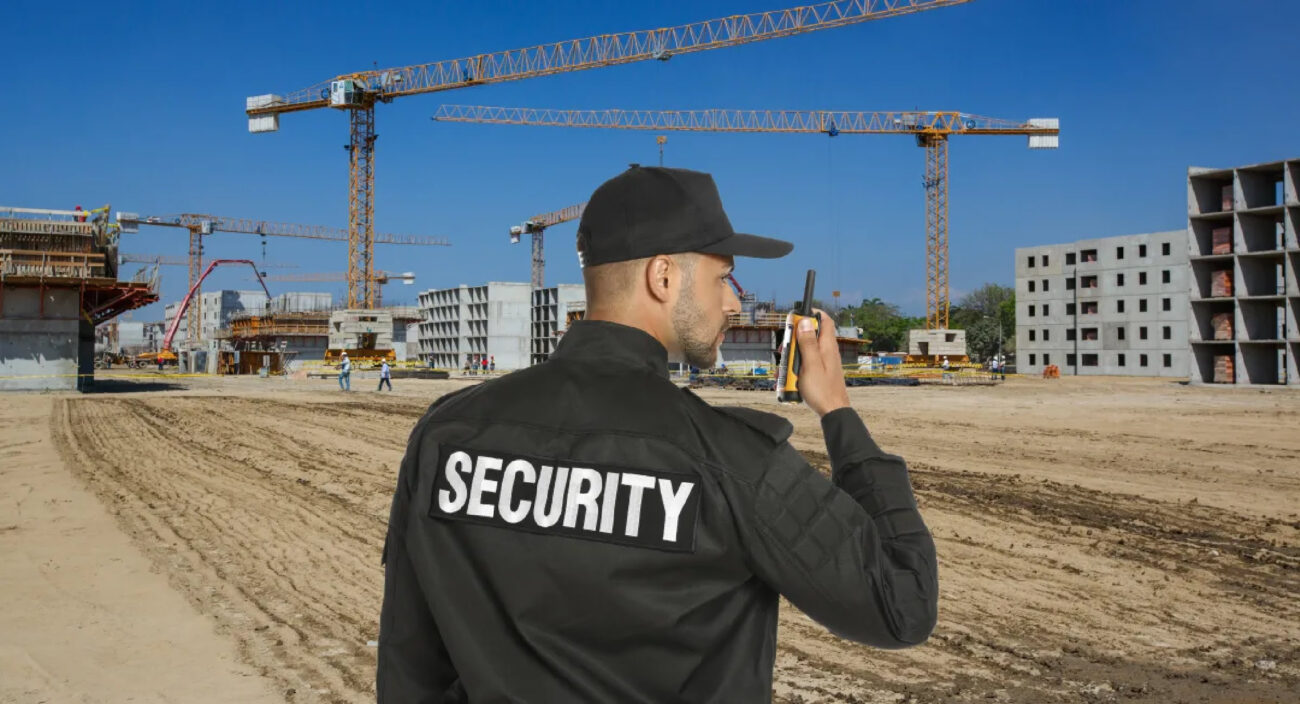
Let’s be honest: construction sites are sitting ducks for thieves. You’ve got expensive equipment, valuable materials, and usually not much more than a chain-link fence keeping the bad guys out. If you’ve ever walked onto your site in the morning to find tools missing or vandalism overnight, you know exactly what I’m talking about. That’s where Tycoon Guards comes in, offering construction site surveillance systems that actually work in the real world, not just on paper.
The construction industry loses billions every year to theft and vandalism. We’re not talking about pocket change here. A single stolen excavator or a copper wire heist can set your project back weeks and blow your budget wide open. But here’s the good news: security technology has gotten really good lately, and it doesn’t have to cost you an arm and a leg.
The Real Problem with Construction Site Security
Here’s what makes construction sites such easy targets. They’re big, they’re open, and there’s valuable stuff everywhere. Thieves know that most sites empty out after 5 PM, leaving everything unguarded until the crew shows up the next morning. That’s a solid 12 hours for someone to back up a truck and help themselves.
And it’s not just about the money you lose on stolen equipment. Think about the domino effect. Your project stops dead while you wait for replacement materials. Your insurance rates go up after you file a claim. Your crew gets demoralized when their personal tools keep disappearing. I’ve talked to contractors who’ve lost $50,000 or more in a single year just from theft. At that point, NOT having security is costing you more than having it would.
The liability issues are another headache nobody talks about enough. When someone gets hurt trespassing on your site, guess who gets sued? When vandals damage your work and you miss your deadline, who pays the penalties? Good security isn’t just about protecting stuff, it’s about protecting your entire business.
What Makes Construction Surveillance Systems Actually Work
Forget those grainy, useless camera feeds from 10 years ago. Modern construction surveillance cameras are in a completely different league. We’re talking high definition video that can pick out faces and read license plates from 50 feet away, even at night.
The cameras built for construction sites are tough. They handle rain, dust, extreme heat, and freezing cold without breaking a sweat. You don’t need to baby them or worry about whether they’ll work when you actually need them. Most run on solar power with battery backup, so you can stick them anywhere on your site without running electrical lines all over the place.
What really makes these systems smart is how they connect everything together. The cameras feed into cloud storage, so even if someone smashes a camera, your footage is already saved off-site. Motion sensors can tell the difference between a worker walking by during the day and someone sneaking around at 2 AM. You get instant alerts on your phone when something fishy is happening, not a useless notification every time a bird flies past.
Features That Actually Matter on a Job Site
When you’re shopping for surveillance equipment, some features matter way more than others. Night vision is non-negotiable. Most theft happens after dark, so if your cameras can’t see in the dark, what’s the point? Modern infrared cameras light up the night without any visible light that would tip off intruders.
Wireless connectivity is huge for construction sites. You’re probably not set up with permanent internet and power yet, so cameras that work over cellular networks with solar panels give you total flexibility. Move them around as your site develops without calling an electrician every time.
The zoom and pan features let you investigate something suspicious without driving to the site. Spotted something weird on your phone? Zoom in and get a better look. It’s like having eyes on your site 24/7 without paying someone to sit there all night.
And here’s a feature people don’t think about enough: weatherproof ratings. Construction sites are brutal environments. Dust, mud, rain, you name it. Make sure your cameras are rated for outdoor industrial use, not just “outdoor” like a doorbell camera.
Where to Actually Put Your Cameras
This is where a lot of people mess up. They buy good equipment but put it in the wrong places. Start with your entry points. Every gate, every gap in your fence, every place a vehicle could drive in needs a camera with a clear view. You want to catch faces and license plates of everyone coming and going.
Your material storage and equipment parking areas need concentrated coverage. Thieves aren’t randomly wandering around, they’re targeting the valuable stuff. Put cameras where you keep copper, power tools, and heavy equipment. Make them visible too. A camera someone can see works as a deterrent, not just for catching people after the fact.
Don’t forget about your perimeter. Cameras along the fence line catch people trying to cut through or climb over before they get to your valuable assets. Mount them high enough that someone can’t just walk up and spray paint the lens or yank them down.
One trick that works really well: put cameras on your construction lights or temporary light poles. They’re already tall, they’re already getting power (or solar power), and they give you a great bird’s eye view of large areas. Plus, thieves don’t usually look up.
Making Surveillance Part of Your Overall Security Plan
Look, cameras alone aren’t a magic solution. They work best when you combine them with other security measures. Good fencing, proper lighting, locked storage containers, these basics still matter. Think of surveillance as your eyes and ears, but you still need the physical barriers that slow people down.
A lot of contractors are finding that combining cameras with occasional security patrols gives them the best bang for their buck. The cameras watch everything, and when they detect something suspicious, a guard can respond quickly. It’s cheaper than having guards there 24/7 but way more effective than cameras alone.
Access control systems are worth considering too, especially on bigger projects. When you can track who’s entering and leaving, and you’ve got video to back it up, you eliminate a lot of internal theft problems. Sometimes the threat isn’t just random thieves, it’s people who shouldn’t be taking materials or equipment home.
Does This Stuff Actually Pay for Itself?
Short answer: absolutely. I know the upfront cost makes people hesitate, but do the math. A decent surveillance system for a mid-sized site might run you $5,000 to $15,000. One stolen excavator costs you way more than that, plus the delay costs, plus the insurance hassle.
Insurance companies get this, which is why many of them offer discounts if you’ve got verified security measures in place. Some contractors I know save 10-20% on their premiums, which adds up fast on large projects. And when you DO have to make a claim, having clear video evidence makes the whole process smoother.
The delay prevention alone justifies the cost. When you prevent theft or vandalism, you’re keeping your project on schedule. No missed deadlines, no penalty clauses, no crew sitting around with nothing to do while you scramble to replace stolen materials. That’s worth real money.
Plus, having good footage protects you legally. Worker injury disputes, property damage claims, arguments with subcontractors, video evidence cuts through the he-said-she-said and establishes what actually happened.
Picking a System That Fits Your Project
Not every project needs the same level of security. A small residential job might get by with three or four cameras covering the key spots. A major commercial development needs a whole network with dozens of cameras and advanced features.
Think about how long your project will last. For quick jobs under six months, temporary wireless systems make the most sense. Easy setup, easy removal, move them to your next job when you’re done. For longer projects, it’s worth investing in a more permanent setup with hardwired connections and higher-end equipment.
The biggest mistake people make is either overbuying or underbuying. You don’t need every fancy feature, but you also can’t cheap out on the important stuff. Working with a security company that actually understands construction (not just generic security) helps you get the right fit. They know where thieves typically target construction sites and how to cover those vulnerabilities.
What’s Coming Next in Construction Security
The technology keeps getting better. AI-powered systems can now recognize unusual behavior patterns and send alerts before something bad happens, not just record it after the fact. They can spot when someone’s doing something they shouldn’t, even if that person is technically authorized to be on site.
Drone surveillance is starting to show up on really large sites. They can cover huge areas quickly and get perspectives that fixed cameras can’t. Some systems even automate drone patrols on a schedule.
Integration with project management software is pretty cool too. Your surveillance system can verify work completion, document site conditions, and tie into your overall project tracking. It’s becoming more than just security, it’s project intelligence.
Bottom Line: Protect Your Investment
Construction theft and vandalism aren’t going away. But sitting here in 2025, we’ve got better tools than ever to fight back. Construction surveillance cameras and comprehensive monitoring systems give you real protection without requiring a massive budget or complex setup.
Every site is different, so take a hard look at your specific vulnerabilities. What’s most valuable on your site? Where are your weak points? What’s keeping you up at night? Then build your security plan around protecting those specific risks.
In construction, your margins are tight and your reputation is everything. Losing materials, missing deadlines, dealing with theft and vandalism, that stuff adds up fast. Investing in good surveillance isn’t an expense, it’s insurance that actually pays dividends throughout your entire project.
Don’t wait until after you’ve been hit to take security seriously. By then it’s too late, the damage is done. Set up proper protection from day one, sleep better at night, and keep your projects running smoothly.
