


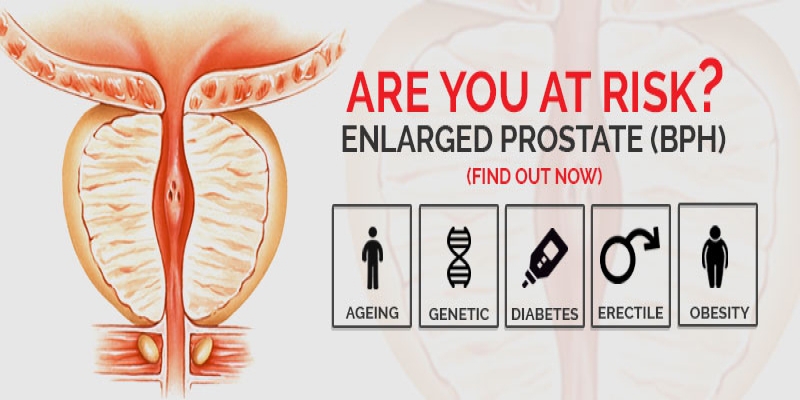
Benign Prostatic Hyperplasia (BPH) is one of the most common prostate conditions affecting men as they age. It refers to the non-cancerous enlargement of the prostate gland, which can lead to urinary symptoms that interfere with daily life. Understanding BPH Risk Factors is essential for early awareness, prevention strategies, and better long-term prostate health. This informational guide explores what increases the likelihood of prostate enlargement, why it happens, and how lifestyle and health choices play a role.
Understanding BPH and Prostate Enlargement
Benign Prostatic Hyperplasia develops when prostate cells begin to multiply, causing the gland to grow larger over time. As the prostate surrounds the urethra, enlargement can restrict urine flow and lead to symptoms such as frequent urination, weak urine stream, and incomplete bladder emptying. While BPH is not cancer, its symptoms can significantly affect quality of life. Many men experience mild symptoms, while others may face more severe complications. Knowing the underlying BPH Risk Factors helps men recognize their personal risk and seek medical advice early.
Age as the Primary BPH Risk Factor
Age is the most significant contributor to prostate enlargement. BPH is rare in men under 40, but its prevalence increases sharply after age 50. By the time men reach their 60s and 70s, a majority show some degree of prostate enlargement. This age-related growth is linked to long-term hormonal changes, particularly involving testosterone and dihydrotestosterone (DHT). As men age, the balance between these hormones shifts, stimulating prostate cell growth. Among all BPH Risk Factors, aging remains the most unavoidable, making regular health screenings increasingly important with advancing years.
Hormonal Imbalance and Prostate Growth
Hormones play a central role in prostate health. Testosterone, the primary male hormone, is converted into DHT, which directly influences prostate cell growth. Even when testosterone levels decline with age, DHT levels within the prostate may remain high, promoting enlargement. Estrogen, another hormone that increases relative to testosterone as men age, may also contribute to abnormal prostate growth. Discussions about prostate health are often featured in Health And Wellness Articles, highlighting how hormonal balance affects aging men. Hormonal changes are therefore considered one of the core BPH Risk Factors influencing prostate enlargement.
Genetic and Family History Influences
Family history can significantly affect a man’s likelihood of developing BPH. Men with close relatives, such as a father or brother who had prostate enlargement, are more likely to experience similar issues. Genetics may influence how prostate cells respond to hormonal signals or how quickly the prostate grows over time. Research suggests that inherited traits can predispose some men to earlier or more severe symptoms. Among recognized BPH Risk Factors, genetic predisposition underscores the importance of knowing family medical history and sharing it with healthcare providers.
Lifestyle Factors That Increase BPH Risk
Modern lifestyle choices have a growing impact on prostate health. Physical inactivity, poor diet, and high stress levels are commonly associated with an increased risk of BPH. Men who lead sedentary lifestyles may experience hormonal imbalances and weight gain, both of which can influence prostate enlargement. Diets high in red meat, processed foods, and unhealthy fats may also contribute to inflammation and hormonal disruption. In contrast, regular exercise and balanced nutrition may help reduce the impact of certain BPH Risk Factors and support overall prostate health.
Obesity and Metabolic Health Connection
Obesity is increasingly recognized as a contributor to prostate enlargement. Excess body fat can alter hormone levels, increase estrogen production, and promote chronic inflammation. These changes create an environment that supports prostate growth. Metabolic conditions such as insulin resistance and metabolic syndrome are also linked to more severe urinary symptoms in men with BPH. Maintaining a healthy weight may help reduce the influence of metabolic-related BPH Risk Factors and improve urinary function over time.
Chronic Conditions and Medical Risk Factors
Certain chronic health conditions are associated with a higher likelihood of developing BPH. Diabetes, heart disease, and high blood pressure have all been linked to increased prostate size and more pronounced urinary symptoms. These conditions may affect blood flow, nerve function, and hormonal balance, indirectly contributing to prostate growth. Long-term medication use for these illnesses can also influence urinary function. Managing chronic diseases effectively is an important step in minimizing avoidable BPH Risk Factors and protecting prostate health.
Can BPH Risk Factors Be Reduced or Managed?
While some BPH Risk Factors such as age and genetics cannot be changed, others are modifiable. Adopting healthier lifestyle habits, including regular physical activity, maintaining a balanced diet, managing stress, and controlling weight, can make a meaningful difference. Regular medical checkups allow for early detection and timely management of prostate enlargement. Avoiding excessive alcohol, quitting smoking, and staying hydrated may also help reduce urinary symptoms. Understanding personal risk empowers men to take proactive steps toward better prostate health and improved quality of life.
Final Thoughts
BPH is a common condition, but it does not have to be an inevitable burden of aging. By understanding and addressing BPH Risk Factors, men can make informed choices that support long-term prostate wellness. Awareness, prevention, and early intervention remain the cornerstones of managing prostate enlargement effectively.
Saving Time and Money with a Healthcare Virtual Assistant Today
What to Look for When Choosing a Trade Show Booth Manufacturer in the U.S.?
How Recreational Cannabis Stores Work: Rules and Regulations
Remote Bookkeeping Services Australia: The Invisible Engine Behind Modern Businesses
How to Choose the Right Clinic for Nose Surgery in Islamabad
About the Author