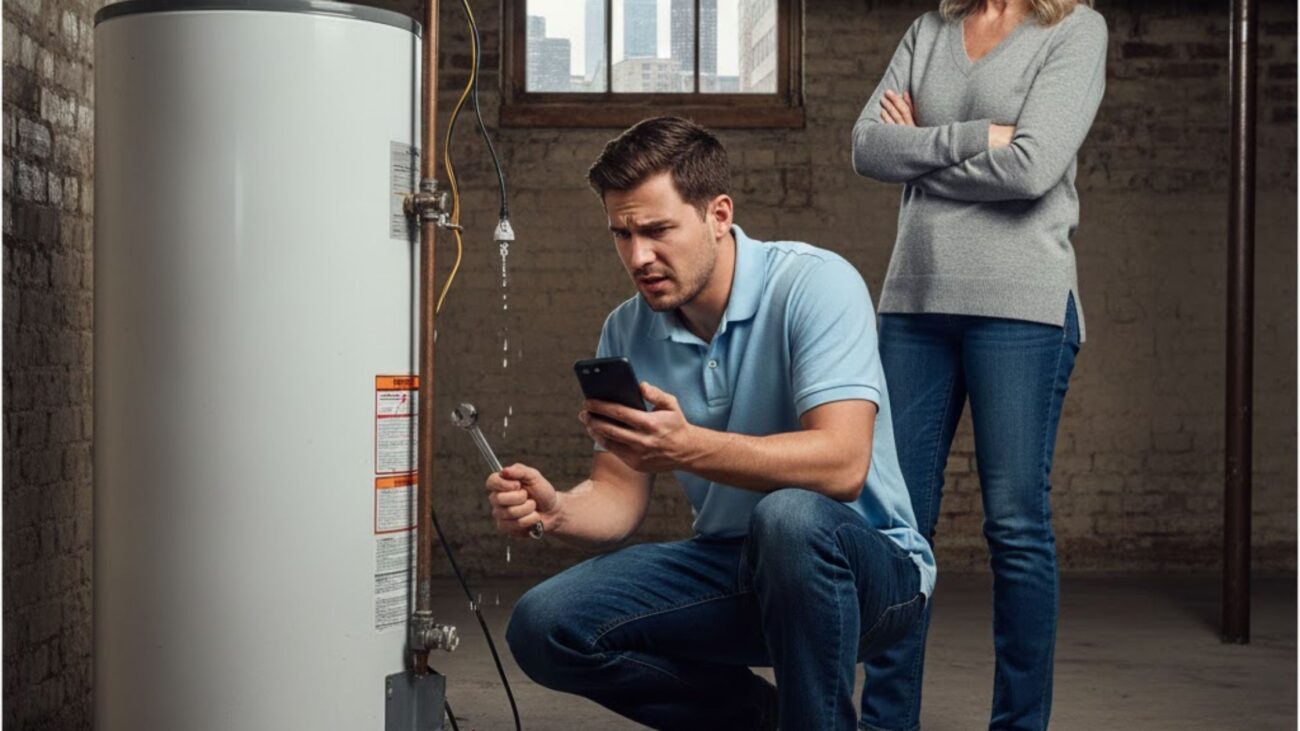
When someone is looking into water heater repair in Chicago, many wonder whether it is safe to tackle the job themselves or call a licensed plumber. This article explores that question from a clear and simple perspective, helping readers understand when DIY might work and when it’s much safer to call in professionals like Baethke Plumbing.
What a Water Heater Repair Usually Involves
What does a typical water heater repair cover?
A water heater is a complex appliance. Repairs can include fixing leaks, replacing heating elements, adjusting thermostats, redoing electrical connections, or flushing out built-up sediment. Some issues are minor and manageable, while others involve serious risks including scalding hot water, gas leaks (in gas units), or electric shocks (in electric models). A small drip under the tank or a failed pilot light might look harmless, but sometimes these are signs of deeper problems.
Why some water heater repairs are risky for DIY
Water heaters operate under high temperature and pressure. Mishandling can cause burns, flooding, or even fire hazards in gas units. Electrical repairs on electric heaters are especially risky for someone without knowledge of wiring codes and safe practices. Gas heaters add another layer of danger: gas leaks, carbon monoxide, and improper venting can put health and safety at risk. Beyond that, incorrectly installed parts can void warranties and increase long‑term costs because of further damage.
What DIY Water Heater Repair in Chicago Could Work And What to Avoid
Simple fixes a homeowner might try
Some small tasks are sometimes manageable for a homeowner with basic tools and care. For example:
- Flushing the tank to remove sediment buildup.
- Checking and adjusting the thermostat settings.
- Tightening minor leaks or replacing worn‑out drain valves.
- Resetting the circuit breaker or checking fuses (for electric heaters).
These tasks usually don’t require advanced skills or specialized tools, though care is always important.
Problems DIY should not attempt and why
There are many problems that a DIYer should avoid, such as:
- Replacing heating elements or thermostats in electric heaters. This requires working with live electricity and knowledge of wiring safety.
- Fixing gas burners or pilot lights on gas heaters. Mistakes here can lead to gas leaks or carbon monoxide poisoning.
- Repairing or welding cracks in metal tanks. These often mean the unit is compromised, and repairs may only be temporary.
- Replacing pressure valves, safety valves, or venting pipes. These parts must meet codes for safe operation and are best left to licensed professionals.
Attempting these tasks without proper training, permits, or safety gear puts the homeowner and household at risk.
Why Chicago’s Climate and Local Factors Matter
Effects of cold weather on water heaters
Chicago winters are brutal. Because of that, water heaters go through repeated cycles of heating and resting. Over time, these cycles put stress on internal parts. Sediment from hard water settles at the bottom of tanks more quickly, and temperature swings can accelerate corrosion. Fixes that might work in mild climates may fail sooner in Chicago’s cold and humid conditions.
Local code and regulation considerations
City codes in Chicago often require licensed professionals to handle gas and major electrical work. Even if someone is comfortable with DIY, violations of code can lead to fines, voided insurance, and dangerous living conditions. A professional company like Baethke Plumbing knows the local regulations and ensures all repairs and installations meet city safety standards.
What to Check Before Trying Any DIY Repair
Turn off power or gas supply first
Before inspecting or touching a water heater, it’s critical to switch off the power or gas supply if it’s a gas heater. Failure to do so can lead to electric shock or gas leaks. After turning the supply off, wait until the heater cools before handling any parts.
Have the right tools and safety gear
Even simple tasks require tools and attention. Helpful items might include: gloves resistant to heat, eye protection, insulated tools, a bucket for draining, and a hose if flushing sediment. Working with hot water and metal parts also calls for caution and steady footing to avoid slipping or burning.
Know where to find reliable guidance
DIY repair guides are everywhere online, but many are generic. They may not take into account Chicago’s climate, local plumbing codes, or the specific model of your water heater. Overconfidence or following poor instructions can make problems worse.
When to Call Professionals: Why Baethke Plumbing Is Often the Better Choice
Proper training and licensed skills for complex jobs
Professional plumbers have training and experience with all types of water heaters electric, gas, tank‑less, standard tanked units. They understand wiring, gas lines, venting requirements, and pressure and temperature safety standards. Because they work on water heaters regularly, they can spot hidden issues a homeowner might miss.
Full safety compliance and code‑approved repairs
A reputable company like Baethke Plumbing ensures repairs and installations follow Chicago’s local regulations. This includes proper venting, safe gas piping, correct wiring, pressure relief valves, and thorough testing. Compliance protects the household and avoids fines or liability down the line.
Warranty preservation and long‑term reliability
Manufacturers often void the warranty if repairs or installation are done by someone unlicensed or without meeting code. Professional plumbers preserve these warranties. Also, a proper repair or replacement by Baethke Plumbing is likely to last longer and perform better under Chicago’s demanding climate conditions.
Peace of mind and saved time
DIY repair can take hours, require multiple trips to hardware stores, and still result in repeated problems. Professionals handle the job quickly and correctly, giving homeowners confidence that the heater is safe to use. In many cases, the money spent on DIY tools and possible mistakes outweighs the cost of a professional service.
Step‑by‑Step: What a DIY Flushing of a Water Heater Might Look Like
Preparing for the flush
First, turn off power or gas supply to the water heater. Make sure the heater has cooled down. Turn off the cold water supply to the tank. Then attach a hose to the drain valve and lead it to a floor drain or outside. Wear gloves and protective gear.
Flushing out sediment
Open a hot water faucet somewhere in the house to relieve pressure. Open the drain valve and let water flow out. This will flush out built-up sediment that can collect at the bottom of the tank. Once water flows clear, close the drain valve, turn on the cold water supply, refill the tank, and finally restore power or gas.
Checking after flushing
After refilling, check for leaks around the drain valve and plumbing connections. Also, test water temperature and pressure. If anything seems off unusual noises, leaks, or pressure issues stop and call a professional plumber.
When to stop and call experts
If there are strange noises, persistent leaks, or error indicators on the heater, those are signs of deeper issues. Also, if the heater is older than 10–15 years, flushing alone may not resolve problems. In these cases, it’s safer to call professionals like Baethke Plumbing rather than continue DIY attempts.
Risks and What Could Go Wrong with DIY Attempts
Hidden damage and incomplete repairs
What might appear to be a simple fix like a leak could hide a cracked tank or failing heating element. DIYers often miss these deeper issues, leading to repeated leaks, malfunctioning heaters, or major failures later.
Safety hazards: burns, flooding, electrical or gas accidents
Accidental contact with hot water or steam can cause burns. Incorrect wiring on electric heaters can cause shocks. Gas heaters pose the risk of gas leaks or carbon monoxide poisoning if venting or connections are faulty. A damaged or loosely sealed heater can even flood a basement if a repair fails under pressure.
Higher overall cost in the long run
A failed DIY repair may mean repeated calls to plumbers, replacement of parts, or even replacement of the whole unit. In addition, warranty claims might be rejected because of unlicensed work. The homeowner might end up paying more over time than if they had hired a professional in the first place.
How to Decide: DIY or Call Baethke Plumbing?
Ask what the problem really is
If the issue seems simple like sediment build-up, a slightly mis‑set thermostat, or a small leak near a drain valve DIY flushing or adjustment might work. But if the issue involves electrical components, gas, or structural parts of the tank a professional should be called.
Evaluate personal skills, tools, and comfort level
DIY repair requires confidence, care, and the right tools. If a homeowner is not comfortable working with hot water, gas or electricity, it is safer to call a licensed plumber. Also, if the homeowner lacks time or is unsure about local codes, DIY may be more trouble than it is worth.
Consider long‑term value, safety, and local regulations
Even if a DIY fix seems possible, the risks may outweigh the benefits. Hiring professionals from Baethke Plumbing offers code‑compliant, reliable repair and extends the heater’s life. For long-term safety and peace of mind, a professional job tends to be more valuable.
What to Expect if Hiring Baethke Plumbing
Professional inspection and diagnosis
Baethke Plumbing will start by inspecting the heater checking heating elements, thermostats, pressure valves, tank integrity, gas or electric lines depending on the model. This allows them to accurately diagnose problems rather than guessing.
Safe and code‑compliant repairs or replacements
If repairs are needed, Baethke Plumbing will use parts and methods that meet local codes. For older heaters, they may recommend replacement rather than repeated repairs, which saves time and reduces future risk.
Post‑repair testing and full cleanup
After the fix, the plumber will test water pressure, temperature, and proper operation. They will also ensure there are no leaks, gas fumes, or loose connections giving the homeowner confidence in safety and reliability.
When Replacement Might Be Better Than Repair
Signs a water heater needs replacement
If the heater is more than 10–15 years old, has a rusty or corroded tank, shows signs of internal cracks, leaks from multiple spots, or has repeatedly failed parts replacement is often more cost-effective and safer.
Benefits of a modern water heater
A new water heater will have improved insulation, energy efficiency, and safety features. Modern electric or gas heaters also come with better thermostats, pressure valves, self‑shutoff features, and longer warranties. For Chicago, where heaters run often and are prone to wear, a new unit can save energy bills and reduce maintenance calls.
How Baethke Plumbing helps with replacement
Baethke Plumbing can recommend the right size and type of water heater for the home, install it safely and properly, and handle old unit disposal. Their professional installation ensures better insulation, energy savings, and code compliance giving homeowners long-term value.
Realistic Cost & Time Comparison: DIY vs Hiring Professionals
DIY: costs, tools and risks
- Cost: Only basic tools, perhaps a hose, gloves, simple wrench, and maybe a replacement drain valve perhaps $20–$50.
- Time: Could take 1–3 hours, or more if unexpected issues arise.
- Risk: High, especially if mistakes are made possible water damage, safety hazards, and repeated repair needs.
Pro (Baethke Plumbing): cost, speed, and reliability
- Cost: More expensive upfront, but includes labor, correct parts, and compliance with codes.
- Time: Professional plumbers typically finish in a few hours, including testing and cleanup.
- Benefit: Safe, reliable, lasting repair or replacement, protection of warranties, and less chance of future breakdowns.
Summary: When DIY Might Work And When to Call Baethke Plumbing
If the problem is minor like sediment build-up or a small drain‑valve leak and the homeowner is comfortable with simple tools and safety steps, a DIY attempt might be possible. However, for anything more complex electrical or gas issues, heating element failure, tank corrosion or leaks, or old units, it’s far safer and wiser to call professionals from Baethke Plumbing.
While DIY may seem cheaper and faster, the possible risks damage, safety hazards, voided warranties, and repeat issues often outweigh the initial savings. Hiring a licensed plumber ensures code compliance, reliability, and peace of mind.
Conclusion
When it comes to water heater repair in Chicago, attempting a DIY fix may seem tempting, especially for small tasks like flushing the tank or tightening a loose valve. However, because of the risks involved from electrical shocks and gas leaks to floods and voided warranties many repairs are better handled by a professional. A company like Baethke Plumbing offers trained technicians, safe and code‑compliant repairs, and long‑lasting solutions. In most cases, they provide better value, security, and reliability than DIY attempts.
Here, you can find more articles.
