
In today’s demanding industrial landscape, the right equipment can determine whether a business operates efficiently or loses valuable time and money. Forklifts play a critical role in warehousing, manufacturing, construction, agriculture, logistics, and more. But when your work environment extends beyond the four walls of a facility into rugged, unpredictable outdoor conditions, you need machines built specifically for the task. Whether you rely on diesel forklifts, pneumatic forklifts, or other types of outdoor forklifts, understanding the strengths and limitations of each option can significantly impact productivity, safety, and costs.
This comprehensive guide explores the features of popular outdoor forklift types, what makes them ideal for certain operations, and why investing in dependable forklift service is essential for long-term performance. If you’re looking to upgrade your fleet or make a more informed equipment decision, this article will provide the clarity you need.
Why Outdoor Forklifts Are Essential for Harsh Work Environments
Not all forklifts are created equal. Indoor models—especially those designed for narrow aisles, smooth concrete floors, and tight turning radiuses—often fall short when exposed to dirt, gravel, mud, uneven terrain, or weather. These conditions require heavier construction, more torque, better ground clearance, and tires designed for flexibility and durability.
Outdoor forklifts are engineered with exactly these needs in mind. They typically include:
- Reinforced frames that handle stress from uneven ground
- Larger pneumatic tires that improve traction and stability
- Higher ground clearance for terrain with dips, slopes, and obstacles
- More powerful engines, often diesel, for torque and consistent lifting ability
- Weather-resistant components, including sealed electrical systems
This combination allows businesses to work efficiently in construction sites, lumber yards, recycling facilities, ports, farms, and large distribution centers where outdoor activity is constant.
Diesel Forklifts: Power, Performance, and Reliability
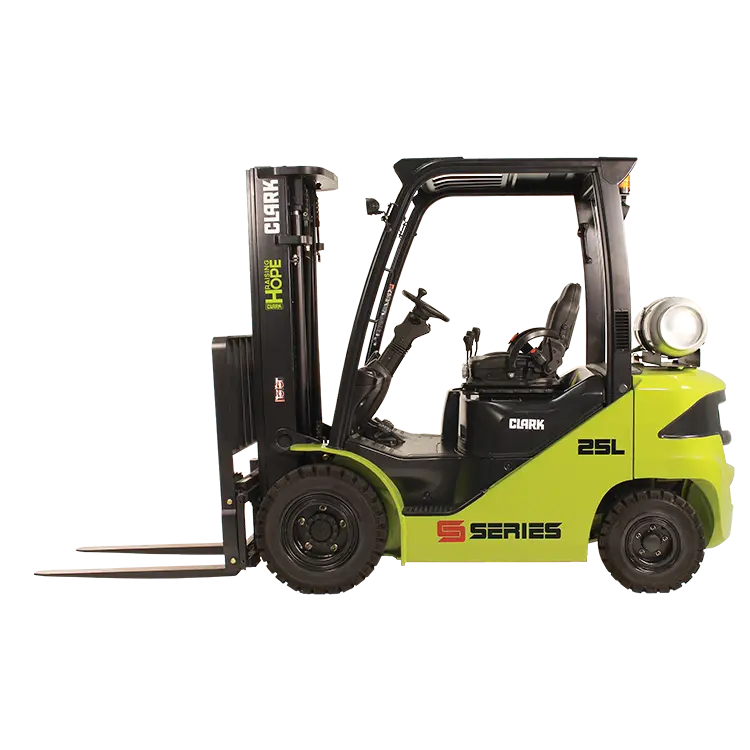
Among the most common outdoor forklift options, diesel forklifts stand out for their raw strength and reliability. Diesel engines are built to perform heavy-duty work for long hours, making them nearly irreplaceable in jobs requiring maximum power.
Why Choose Diesel Forklifts?
- High Torque for Heavy Loads
Diesel engines deliver superior torque at low RPM, allowing operators to lift dense, heavy, or awkward materials more effortlessly than electric or propane alternatives. - Ideal for Rugged Outdoor Conditions
Whether moving pallets of bricks at a construction site or handling lumber in a yard, diesel forklifts are built for environments where dust, mud, and temperature swings are common. - Extended Operating Time
Unlike electric forklifts that require recharging cycles, diesel models run as long as you have fuel on hand. This is ideal for industries requiring continuous or round-the-clock operation. - Lower Maintenance for Engine Type
While all machines need routine maintenance, diesel engines often experience fewer performance issues under heavy workloads compared to propane engines.
Applications of Diesel Forklifts
- Construction and masonry
- Ports and outdoor shipping yards
- Agriculture and farm operations
- Heavy manufacturing
- Mining and industrial sites
These machines are the backbone of heavy outdoor lifting and remain the industry’s go-to option for power-intensive tasks.
Pneumatic Forklifts: Built for Traction, Stability, and Safety
While diesel power matters, the way a forklift handles terrain is just as important. This is where pneumatic forklifts shine. Pneumatic refers to the tires—large, durable, air-filled or solid rubber tires designed specifically for outdoor environments.
Benefits of Pneumatic Forklifts
- Superior Traction on Rough Terrain
Pneumatic tires create greater surface contact, offering better grip on gravel, dirt, grass, and uneven paths compared to cushion-tire forklifts. - Shock Absorption for Operator Comfort
Outdoor surfaces often cause shaking and vibration. Pneumatic tires absorb impacts, reducing operator fatigue and minimizing wear on the forklift. - Versatility Across Multiple Industries
These forklifts work equally well in lumberyards, construction sites, and agricultural fields. - Ability to Handle Larger Loads Outdoors
While pneumatic forklifts come in both electric and diesel variations, their design makes them ideal for outdoor lifting and long travel distances.
Air-Filled vs. Solid Pneumatic Tires
- Air-filled pneumatic tires provide maximum cushioning and traction but can be punctured.
- Solid pneumatic tires cannot go flat, offering durability in environments with nails, scrap metal, or debris.
Either type dramatically increases safety and stability outdoors compared to indoor cushion-tire models.
Comparing Outdoor Forklifts: Which Type Fits Your Operation?
When choosing outdoor equipment, understanding the differences between diesel forklifts, pneumatic forklifts, and other outdoor forklifts is essential. Each offers unique advantages depending on the workload and terrain.
Diesel Forklifts Are Best For:
- Heavy lifting requirements
- Large outdoor yards
- Long daily operating hours
- Rough, dirty, or wet environments
- Industries where speed and torque matter
Pneumatic Forklifts Are Best For:
- Navigating rough or uneven ground
- Work sites with debris, gravel, or steep slopes
- Outdoor operations requiring operator comfort
- Longer distance travel within a large property
Other Outdoor Forklift Options
Some businesses also consider:
- Rough-terrain forklifts: Heavy-duty models with telescopic booms
- Propane forklifts: Versatile, but less powerful than diesel
- Electric outdoor forklifts: More common today but limited in very rugged terrain
The best choice depends entirely on intended use. High-intensity environments tend to favor diesel and pneumatic setups, while mixed indoor–outdoor operations may benefit from propane or electric alternatives.
The Overlooked Element: Why Forklift Service Matters More Than Equipment Type
While choosing the right machine is a major investment, keeping that machine in optimal condition is just as important. Reliable forklift service ensures long-term safety, uptime, and cost control.
Key Benefits of Regular Forklift Service
- Extended Equipment Lifespan
Routine maintenance prevents expensive damage, keeping your forklifts performing for years longer than poorly maintained fleets. - Improved Safety for Operators and Staff
Outdoor forklifts endure powerful vibrations and constant exposure to dirt, dust, and weather. Regular inspections catch issues before they become dangerous. - Reduced Downtime
A broken forklift can bring an entire operation to a halt. Preventive service—scheduled in advance—keeps machines running when you need them most. - Compliance With Regulations
Many industries require documented forklift inspections. Working with a qualified forklift service provider helps maintain compliance effortlessly. - Lower Long-Term Costs
Preventing problems is far cheaper than repairing major failures. An expert technician helps spot early wear, saving thousands of dollars over time.
What Forklift Service Should Include
- Engine and transmission checks
- Hydraulic system maintenance
- Tire inspection and replacement (especially pneumatic tires)
- Brake and steering evaluation
- Fluid, filter, and hose replacement
- Safety feature testing
- Battery or fuel system maintenance
- Attachment servicing
A strong service plan enhances performance for all outdoor forklifts—diesel, pneumatic, or electric.
Final Thoughts: Building a Stronger, Safer, and More Efficient Outdoor Fleet
Outdoor operations present some of the toughest challenges in material handling. From harsh weather to uneven surfaces and heavy loads, you need forklifts built to endure. Diesel forklifts deliver unmatched power and durability, while pneumatic forklifts provide the traction and stability needed for rough terrain. Both types of outdoor forklifts play an essential role in helping businesses operate smoothly, safely, and efficiently.
However, even the best equipment needs consistent attention. Partnering with a trusted forklift service provider ensures your machines perform at their peak—reducing breakdowns, improving safety, and saving money in the long run.
By understanding your workload, environment, and long-term goals, you can choose the right forklift setup and maintain a fleet that helps your business grow year after year
Top-Rated Beirut Escorts Offering Sophisticated Experiences
Saving Time and Money with a Healthcare Virtual Assistant Today
What to Look for When Choosing a Trade Show Booth Manufacturer in the U.S.?
How Recreational Cannabis Stores Work: Rules and Regulations
Remote Bookkeeping Services Australia: The Invisible Engine Behind Modern Businesses
About the Author