The way businesses take orders and accept payments has changed a lot over the years. What once depended only on cash registers and basic billing systems has now moved toward smarter, digital solutions. Today, businesses can choose between staff-operated point-of-sale systems and self-service kiosks that allow customers to place orders on their own. This change is driven by the growing demand for speed, convenience, and better customer experiences.
As customer habits continue to shift, businesses are looking for tools that help them serve more people while reducing delays and mistakes. Some customers prefer quick, touch-based ordering, while others still value face-to-face interaction. Because of this, many business owners find it difficult to decide whether a self-service kiosk or a traditional POS system is the better option. To make the right choice, it is important to understand how each system works and what kind of experience it offers.
Understanding Traditional POS Systems
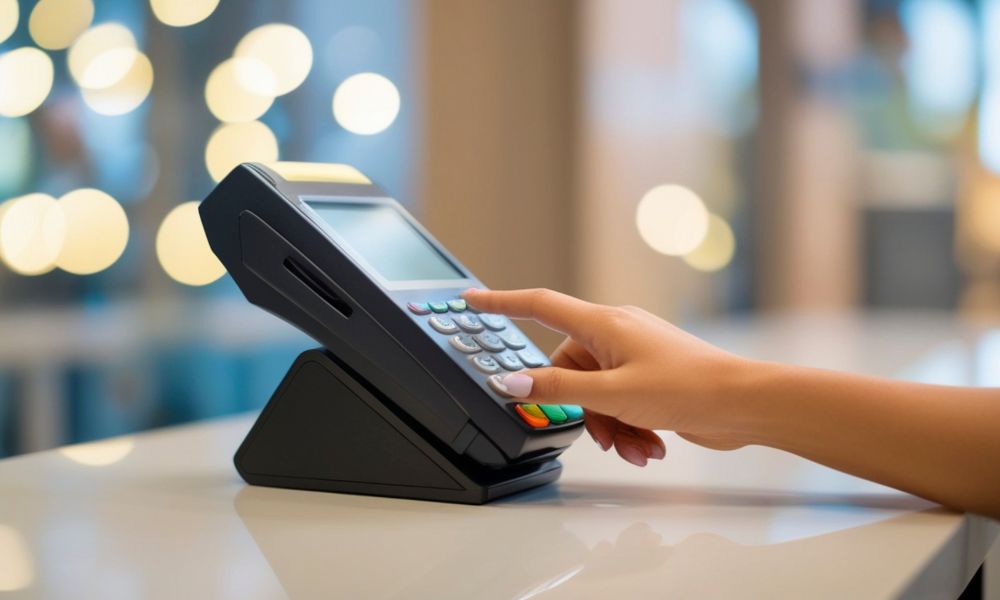
Traditional POS systems are the most familiar setup for many businesses. These systems are usually placed behind the counter and are operated by staff members. Employees enter orders, process payments, print receipts, and sometimes manage inventory through the system. Over time, traditional POS systems have grown more advanced and now support features like sales tracking, employee access control, and customer data storage.
One of the biggest strengths of a traditional POS system is personal interaction. Customers speak directly with staff, ask questions, and get recommendations. This is especially useful in businesses where customers may need guidance or reassurance before making a purchase. For many years, this model has worked well and continues to be effective in settings where service quality matters more than speed.
What Is a Self-Service Kiosk?
A self-service kiosk allows customers to place orders and complete payments without staff involvement. Instead of waiting at a counter, customers use a touchscreen to browse options, customize selections, and pay on their own. This type of system is commonly seen in fast-moving environments where long lines can become a problem.
Self-service kiosks are designed to be simple and user-friendly. Large buttons, clear images, and step-by-step screens help customers move through the process easily. For businesses, kiosks help handle more orders at the same time, especially during busy hours. This approach shifts some responsibility from staff to customers, creating a smoother flow when demand is high.
Customer Interaction and Experience
Customer experience plays a major role when comparing kiosks and traditional POS systems. With a traditional POS, customers interact directly with employees. This can create a friendly and welcoming atmosphere, especially for repeat customers. Personal service helps build trust and can make customers feel valued.
On the other hand, self-service kiosks offer a different type of experience. Customers who prefer speed and independence often enjoy ordering on their own. They can take their time browsing options without feeling rushed. For customers who already know what they want, kiosks often feel faster and more convenient than waiting for staff assistance.
Speed and Efficiency Differences
Speed is one of the biggest reasons businesses consider switching to kiosks. Traditional POS systems depend heavily on staff availability. During peak hours, customers may need to wait until a cashier is free. This can slow things down, even if the system itself is fast.
Self-service kiosks improve efficiency by allowing multiple customers to place orders at the same time. This reduces long lines and helps businesses serve more people in less time. When customers enter their own orders, the process becomes more direct, and transactions move faster, especially during busy periods.
Impact on Order Accuracy
Order accuracy is another important factor. With traditional POS systems, staff must listen carefully and enter orders correctly. Even experienced employees can make mistakes, especially when the environment is busy or noisy. Incorrect orders can lead to customer dissatisfaction and wasted products.
Kiosks reduce many of these issues by letting customers review their selections before paying. Customers can clearly see what they have chosen and make changes easily. Because the order comes directly from the customer, there is less chance of miscommunication. This often leads to fewer errors and smoother operations overall.
Labor and Operational Costs
Labor costs are a major concern for many businesses. Traditional POS systems require staff to handle every transaction, which means more employees are needed during busy times. Over time, this can increase operating costs, especially when wages rise or staff turnover is high.
Self-service kiosks help reduce pressure on staff by handling routine ordering and payment tasks. While kiosks still require employees for support, preparation, and assistance, fewer staff members may be needed at the front counter. This can help businesses manage costs more effectively while maintaining service quality.
Business Insights and Data Tracking
Both systems offer valuable business insights, but kiosks provide a more direct look at customer behavior. Traditional POS systems track sales, inventory, and staff activity, which helps with daily operations and planning. These reports are useful but depend on how data is entered by employees.
Kiosk systems collect data directly from customer interactions. This makes it easier to see which items are most popular, how customers customize orders, and when peak ordering times occur. When used together with other sales channels, kiosks provide a clear picture of overall performance. Many businesses use this data to improve menus, pricing, and promotions.
In the middle of this decision-making process, businesses exploring self-ordering solutions often look at a Clover kiosk as a way to combine speed, accuracy, and modern customer experience in one system.
Branding and Visual Appeal
Traditional POS systems are usually hidden behind the counter, so customers rarely notice their design. This means there are limited chances to use the system itself for branding or promotion. Most branding happens through signage, menus, or staff interaction.
Self-service kiosks are highly visible and customer-facing. This makes them a powerful branding tool. Businesses can customize screens with brand colors, images, and messages. A well-designed kiosk creates a modern and professional impression, which can positively influence how customers view the business.
Flexibility and Scalability
Traditional POS systems are flexible and work well for many types of businesses. They support complex transactions, special requests, and personalized service. However, scaling a traditional POS setup often requires hiring more staff and adding more terminals, which can be costly.
Kiosks are easier to scale in high-traffic environments. Adding another kiosk is often simpler than hiring and training new employees. This makes kiosks a good option for businesses planning to grow or handle seasonal demand. The ability to adjust quickly gives businesses more control over operations.
Challenges of Using Kiosks
Despite their benefits, kiosks are not suitable for every business. Some customers may feel uncomfortable using technology or prefer human assistance. Older customers or those with accessibility needs may require extra support, which means staff must still be available.
Kiosks also rely on technology, so regular maintenance and updates are important. If a kiosk stops working, it can disrupt service unless there is a backup system in place. Businesses need to plan carefully to ensure smooth operation.
Why Traditional POS Still Matters
Traditional POS systems remain valuable because they support personal service and flexibility. In businesses where relationships and trust are important, staff interaction makes a big difference. Customers making high-value purchases often want reassurance and guidance, which kiosks cannot fully replace.
For many businesses, traditional POS systems offer familiarity and reliability. Staff members are trained to handle special situations, complaints, and unique requests. This human touch continues to play an important role in customer satisfaction.
Choosing the Right Solution
There is no single answer to which system is better. The right choice depends on the type of business, customer expectations, and operational goals. Some businesses benefit from kiosks because they need speed and efficiency. Others rely on traditional POS systems to deliver personalized service.
Many businesses now choose a mix of both options. They use kiosks for quick self-service orders and keep traditional POS systems for customers who prefer staff assistance. This balanced approach helps serve a wider range of customers while improving overall efficiency.
Final Thoughts
The decision between a self-service kiosk and a traditional POS system comes down to understanding what your customers value most. Kiosks offer speed, accuracy, and a modern feel, while traditional POS systems provide personal interaction and flexibility. By evaluating daily operations, customer preferences, and future growth plans, businesses can choose a system that supports long-term success and delivers a better experience for everyone involved.
What Is Section 125 Deduction And How Does It Reduce Taxes?
KBC Head Office Kolkata: Complete Guide to Contact Details, Registration Process,
Slide Gate Opener: The Smart Way to Secure and Automate Your Entrance
Is PRP Hair Treatment Effective for Early Hair Loss?
Sustainable Industrial Wastewater Treatment Solutions in Malaysia
